
Quotex Trading Hours for Indian Traders Explained
📈 Discover everything about Quotex trading hours in India 🇮🇳, including IST timings, best trading windows, tips for smooth trades, and FAQs answered.
Edited By
Sophie Hamilton
Mobile trading in India has become widespread, thanks to increasing smartphone penetration and quicker internet speeds. For traders, having a reliable phone is not just a convenience — it directly affects the ability to act fast on market movements and avoid costly delays.
The right mobile device can handle multiple trading apps, deliver real-time market updates without lag, and maintain security even on public Wi-Fi networks. However, choosing this phone requires more than just picking the latest or priciest model; it demands an understanding of features critical to trading success.
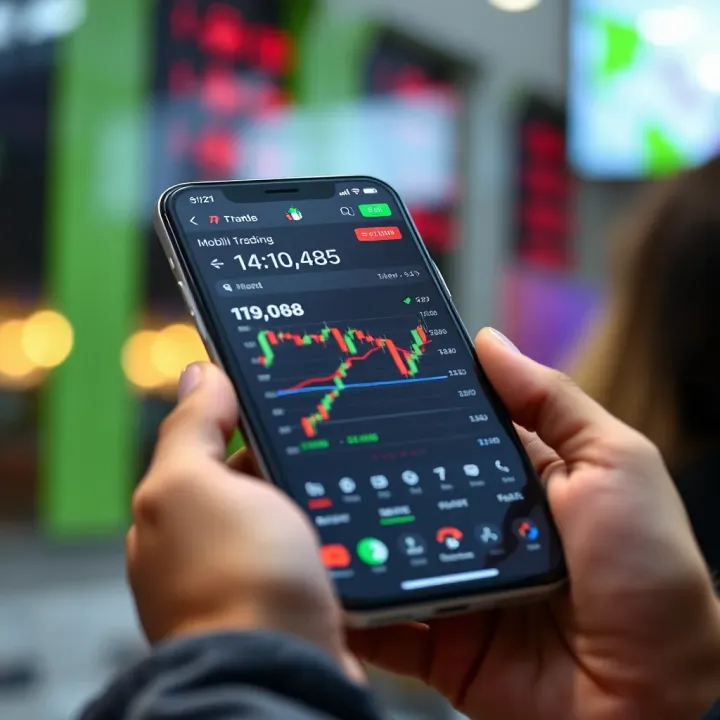
Traders should prioritise performance, battery life, connectivity, security, and user experience when selecting a phone. These factors influence execution speed, data safety, and overall trading efficiency.
Performance means the phone must quickly load trading platforms, process orders smoothly, and handle multitasking without slowing. For example, a device with at least 6GB RAM and a recent processor (Snapdragon 7 series or Apple A11 Bionic and later) meets this need well.
Battery life is essential since active traders often spend long hours glued to the screen monitoring positions. Phones with 4,000 mAh or higher battery capacity ensure you don’t get caught without power during market hours.
A stable internet connection is non-negotiable. Ensure your phone supports advanced network standards like 4G LTE or 5G and offers dual SIM slots for backup connectivity through multiple carriers.
Security matters because trading apps contain sensitive financial data. Features such as fingerprint or facial authentication, regular software updates, and encryption support help protect your accounts and transactions.
Lastly, a sharp, bright display improves reading charts and news in varying light conditions. AMOLED or IPS LCD screens with a resolution of at least Full HD (1920×1080) provide clear visuals crucial for precise decision-making.
Choosing a phone considering these aspects makes trading on mobile not just possible but effective and secure for the Indian trader.
Choosing the right phone for trading demands attention to several key features. Traders need a device that can handle fast-paced market updates, complex charting tools, and timely order placements without hiccups. The phone’s capacity to offer smooth performance, clear display, stable connectivity, and long battery life directly impacts how effectively you can respond to market changes.
The processor acts like the brain of your phone and affects how quickly trading apps respond. A faster processor ensures real-time data feeds and chart updates load without delay, crucial when seconds can mean a difference between profit and loss. For example, while checking live prices on NSE or refreshing chart patterns on apps like Zerodha Kite or Upstox, a lag or freeze is frustrating and could cost you a trade.
Indian traders often run several apps at once — trading platforms, market news, WhatsApp groups, and spreadsheets for record-keeping. Phones with at least 6GB RAM handle such multitasking smoothly, reducing the chance of app crashes or slowdowns. This is especially useful during volatile market hours when you need to switch instantly between your watchlist and order book.
Sharp screen resolution helps you read complex candlestick charts and technical indicators with precision. Phones with Full HD+ or higher resolution provide clear visuals, enabling better decision-making. For instance, spotting subtle chart trends or volume spikes becomes easier when the display is crisp, saving you from costly misinterpretations.
A screen size between 6.2 to 6.7 inches strikes a balance between portability and a comfortable viewing area. Such size lets you view multiple charts or app tabs side by side without eye strain. Smaller screens might force excessive zooming, slowing down your analysis, while larger phones could be bulky for daily carry.
Trading apps rely heavily on smooth internet connectivity. Phones supporting 4G or 5G ensure faster data upload and download speeds, reducing latency in trade execution. In metro cities like Mumbai or Bengaluru, 5G is becoming more common, facilitating near-instantaneous updates on price movements or breaking news.
Look for phones with Wi-Fi 5 (802.11ac) or Wi-Fi 6 (802.11ax) support. These standards provide better signal stability and faster speeds at home or office Wi-Fi hotspots, so you don’t miss trades during congested network conditions common in India’s urban areas.
Active trading means your phone screen stays on for hours, consuming battery. Devices with at least 4,000 mAh battery comfortably support a full trading day without needing a recharge. This helps during critical market events or extended sessions where charging opportunities may be limited.
Fast charging is a nice-to-have for traders on the go. In a short break, you can top up your battery quickly and not worry about missing sudden market movements. Many popular models like OnePlus Nord or Xiaomi Redmi Note series offer fast charging options, providing several hours of usage with just 30 minutes plugged in.
In trading, every second counts. A phone tailored for trading with the right mix of power, display, connectivity, and battery life gives you an edge in India’s dynamic markets.
Mobile trading in India demands strong security measures due to the sensitive financial data involved. A phone with robust security features safeguards your trading activities against unauthorised access and cyber threats. Traders must prioritise these features to protect their investments and personal information.
Fingerprint sensors and facial recognition have become standard on most smartphones today. These technologies offer quick yet secure access to your phone, far better than simple PINs or passwords. For example, when you launch a trading app like Zerodha Kite, biometric authentication adds a swift layer of defence, allowing only you to enter the app without fumbling for passwords during market hours.
Protecting trading accounts from unauthorised access is critical since profit or loss can hinge on split-second decisions. Once biometric security is enabled, it becomes difficult for anyone else to open trading apps or move funds, even if they steal or borrow your device. Many Indian trading platforms support biometric logins, which not only speed up access but also reduce the risk of phishing or hacking attempts.
Software updates and security patches play a front-line role in keeping your personal and financial data safe on your mobile. Cybercriminals constantly look for vulnerabilities in operating systems or apps. Timely updates fix these gaps, helping prevent breaches and malware that could compromise your trading accounts.
Selecting a device that continues to receive regular updates is just as important as choosing a secure phone initially. For instance, opting for well-supported phones from brands like Samsung, Apple, or OnePlus ensures you get ongoing security patches for at least two to three years. Older or low-cost phones that miss critical updates expose traders to avoidable risks, especially when handling sensitive tasks like trading via platforms such as Upstox or Angel Broking.
Traders must treat security features as equally important as performance and connectivity when choosing a mobile phone for trading in India. Incorporating biometric authentication and keeping software up to date greatly reduces the chances of unauthorised access and data theft.
Balancing usability and security protects your investments and peace of mind alike. Make these features a non-negotiable part of your mobile trading setup.
Choosing the right phone for trading is not just about picking a popular model; it hinges on features that deliver performance, security, and reliability. For Indian traders, several phones stand out in the market, balancing these requirements effectively. Evaluating both premium and mid-range options helps traders make an informed decision that suits their budget and trading style.
Flagship models from brands like Apple, Samsung, and OnePlus dominate this segment in India. These phones boast powerful processors such as the A16 Bionic chip in iPhone 14 Pro series or Samsung’s Exynos 2200, enabling seamless handling of real-time data and multiple trading apps without lag. Besides raw power, premium models often feature AMOLED displays with high resolution, improving chart clarity and reducing eye strain during long trading hours.
That said, these phones come at a steep price, often crossing ₹70,000. While traders get top-notch speed, excellent security protocols, and frequent software updates, the cost might not justify the enhanced features for everyone. Another drawback is battery life; despite large capacities, heavy trading and multiple background apps may drain power faster than expected, requiring frequent charging.
For traders looking at tighter budgets, mid-range smartphones like the Xiaomi Redmi Note series, Samsung Galaxy M series, and Realme Narzo offer great value. These phones usually come with efficient processors such as the Snapdragon 680 or MediaTek Helio G95, providing decent performance for most trading platforms without heavy multitasking demands. The balance between price and functionality makes these devices attractive, especially for beginner traders or those who do not rely solely on mobile trading.
Battery life is a key plus in mid-range phones. Models often pack 5,000 mAh or more, allowing extended trading sessions without hassle. Display sizes ranging from 6.4 to 6.7 inches with Full HD+ resolution give traders ample screen space for chart analysis without compromising portability. While the display tech may not match flagship AMOLED quality, most mid-range phones provide IPS LCDs that work well in various lighting conditions.
Selecting a phone isn’t just about specs on paper; consider your trading habits, budget, and how you use your phone daily. Even a mid-range phone paired with a stable internet connection and secure apps can meet your trading needs effectively.
In short, Indian traders have multiple options, from premium flagships to budget-friendly mid-range smartphones, each suited to different requirements. Understanding these choices helps you pick a phone that supports your trading goals reliably and cost-effectively.
Optimising your phone for trading goes beyond just picking the right device. It means tweaking settings and managing apps so that your trading runs smooth without distractions or technical hiccups. This approach makes sure your trading app stays responsive, your notifications are useful, and your phone’s storage and battery are in good shape, particularly when you need them the most.
Choosing reliable trading apps in India is crucial since these apps handle sensitive financial data and make instantaneous transactions. Always go for apps that are well-known, such as Zerodha Kite, Upstox, or Angel One, which provide real-time market data and have robust user support. These apps generally comply with regulations set by SEBI (Securities and Exchange Board of India), giving you an extra layer of security.
Keeping your trading apps updated is just as important. Updates often fix bugs, reduce glitches, and patch security vulnerabilities which hackers could exploit. For example, an older app version may fail during peak trading hours or show delayed price updates, which could cost you money. Regular updating ensures you get improved features and stay protected against evolving cyber threats.
Customising alert notifications helps you stay alert without feeling overwhelmed. Set alerts only for critical price changes, order updates, or market news relevant to your investments. This prevents non-essential notifications from drowning out important alerts, thus helping you focus and react promptly.
Using the 'Do Not Disturb' mode effectively ensures uninterrupted trading during crucial market hours. You can customise this mode to allow calls or texts from close contacts while silencing other distractions. This balance ensures you remain reachable but avoid unwanted interruptions when monitoring fast-moving markets or during important transactions.
Clearing cache and managing storage can improve your phone’s performance. Trading apps, especially those streaming charts and news, generate cache that piles up. Periodic cache clearing prevents app freezes or slowdowns. Also, freeing up storage space avoids lag caused by overloaded memory, ensuring your trading apps open quickly and work efficiently.
Monitoring battery health is vital if you spend long hours trading, often away from a power source. Many modern smartphones show battery health status in settings; if it declines significantly, battery life shortens, affecting your trading session uptime. Using power-saving modes and avoiding unnecessary apps running in the background can keep your battery going longer during extended trading sessions.
Staying on top of your phone’s settings and maintenance not only smooths your trading experience but also keeps your investment data safer and your reactions sharper when market moves demand quick action.
📈 Discover everything about Quotex trading hours in India 🇮🇳, including IST timings, best trading windows, tips for smooth trades, and FAQs answered.
📈 Explore the Quotex trading course crafted for Indian traders! Learn platform features, trading strategies, risk management, and expert tips to trade smart.
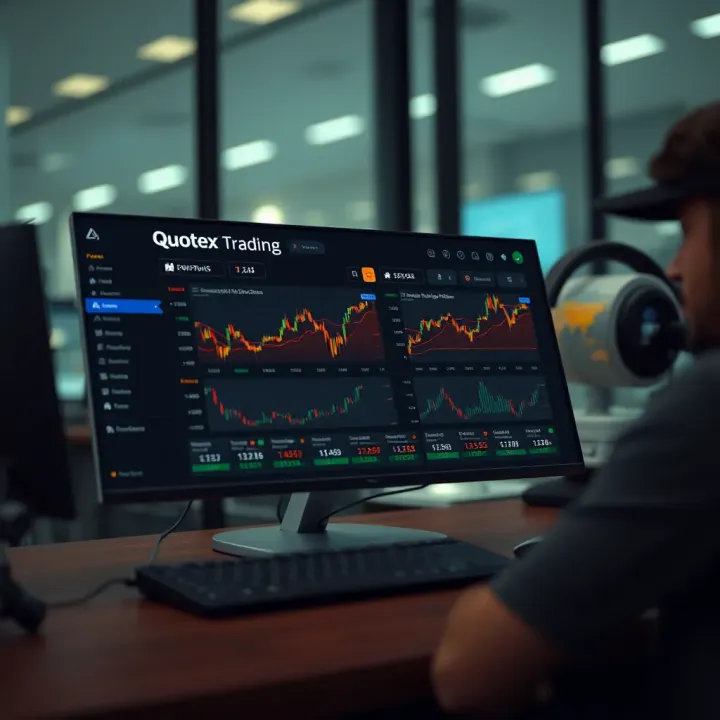
Explore Quotex in India 🇮🇳: Features, account setup, payment methods, legal tips, risks, and practical advice for smarter trading decisions.
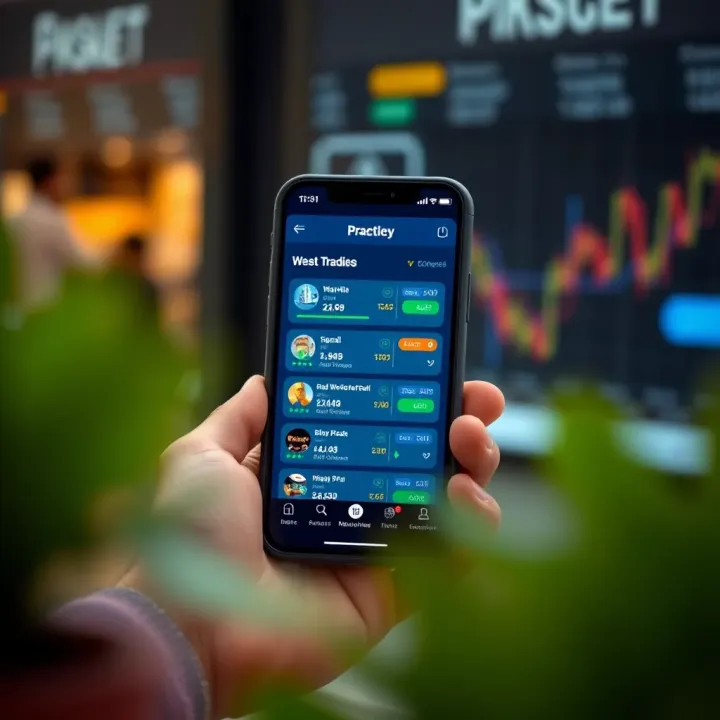
Explore real money trading apps in India with insights on features, safety, legal aspects, payment options, and smart tips for secure, rewarding play 💰📱
Based on 8 reviews