

Best Option Trading Telegram Channels for Indian Traders
Looking to pick the best option trading Telegram channel in India? Learn how to check credibility, spot risks, and extract maximum value from top channels 📈📲
Edited By
Thomas Harding
Choosing the right forex trading website is a key step for Indian traders aiming to succeed in the currency markets. With numerous platforms available, understanding which sites offer reliability, transparency, and security helps protect your investment and improve trading efficiency.
A trustworthy forex website should comply with Indian regulations as well as global standards. The Securities and Exchange Board of India (SEBI) and the Reserve Bank of India (RBI) keep a watch on authorised financial entities, and trading via recognised brokers reduces risks linked to fraud or legal issues.
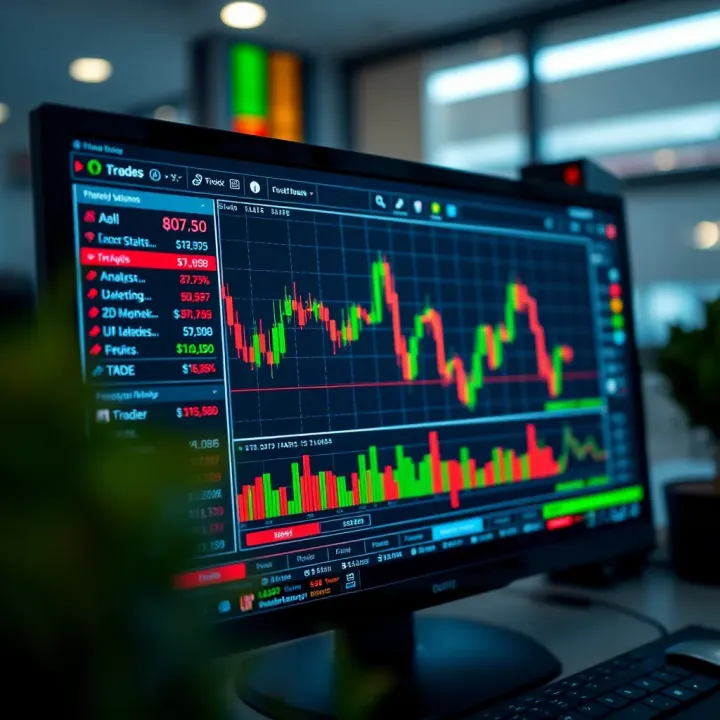
Consider the trading tools and technologies provided. Effective charting software, real-time price feeds, and easy-to-use interfaces enable you to make quick decisions when volatility hits. For example, platforms like Zerodha and Upstox have integrated advanced chart analysis and mobile trading features that cater well to Indian users.
Security matters greatly since forex trading involves online transactions and sensitive personal data. Look for sites with two-factor authentication, data encryption, and clear privacy policies. Platforms offering demo accounts can be particularly useful for practising without risking real money.
In India, forex traders often prefer sites allowing transactions in Indian rupees, facilitating easier fund transfers through UPI or net banking. Trading platforms that support popular Indian payment methods ensure smoother deposits and withdrawals.
Always verify a trading website’s regulatory status and customer reviews before depositing funds. Many traders overlook this and end up facing delays or losses.
To sum up, an ideal forex trading website for Indian investors balances strong regulation, robust security, user-friendly tools, and convenient payment options. This foundation helps you trade more confidently while focusing on strategies rather than technical or compliance issues.
Grasping the basics of forex trading websites is essential before investing your time and money. These platforms serve as the gateway to currency markets, where trillions of dollars change hands daily. For Indian traders, choosing the right website can influence both the ease of trading and the safety of your funds.
Forex trading websites are online platforms that allow investors to buy and sell foreign currencies. Think of them as digital marketplaces where traders access live currency prices, execute trades, and monitor market movements. These platforms offer tools like charts, order placement systems, and account management features. For instance, a site that provides real-time updates on pairings like USD/INR or EUR/GBP is enabling traders to make informed decisions on when to enter or exit the market.
Behind the scenes, forex trading websites connect users to liquidity providers such as banks and financial institutions. When you place an order, the platform routes it to these sources for execution. The website's interface then reflects your trade's status, whether it's pending, completed, or cancelled. Additionally, many sites use leverage, allowing you to control larger positions with less capital, but this increases both potential gain and risk. Security protocols ensure your data and money stay protected, with encryption and two-factor authentication becoming standard.
Indian traders have access to a range of well-established forex platforms tailored for different skill levels. MetaTrader 4 (MT4) and MetaTrader 5 (MT5) remain hugely popular due to their comprehensive charting tools and automated trading options. Platforms like Zerodha and Upstox, primarily known for equities, have slowly added currency trading features but still lag behind dedicated forex brokers like FXTM or OctaFX. Many traders also prefer apps like IG or Saxo Bank for their global reach and regulatory compliance. When choosing, consider factors such as ease of use, available currency pairs, spreads, and customer support.
Selecting the right forex trading website means balancing user-friendly features with robust security and market access. Understanding how these platforms operate helps you trade confidently while managing risks effectively.
In the next section, we'll examine the key features you should prioritise when picking a forex trading website, ensuring your choice fits your trading style and needs.
Selecting the right forex trading website involves assessing several key features that directly impact your trading experience. For Indian traders especially, these features determine how smoothly and safely you can trade foreign currencies online, how efficiently you can analyse markets, and how well you can respond to opportunities or risks. Let’s break down some essential aspects.
The user interface (UI) should be intuitive and straightforward. A clunky or overcomplicated UI can lead to mistakes, such as placing wrong trades or missing market moves. For example, if a website has cluttered screens filled with ads, multiple pop-ups, or confusing navigation, it will slow you down. Websites like ICICI Direct Forex or Zerodha’s Kite platform combine clean design with easy navigation, allowing traders to place orders or access charts without wasting time. The platform must also adapt well to different devices since many traders rely on mobiles or tablets in India.
Security is non-negotiable when dealing with forex platforms. Look for features such as two-factor authentication (2FA), SSL encryption, and secure logins. These prevent unauthorised access to your account. Indian traders should also confirm the platform follows guidelines set by the Reserve Bank of India (RBI) and Securities and Exchange Board of India (SEBI). For instance, platforms with dedicated anti-fraud teams and regular security audits offer extra peace of mind. Avoid websites that don’t clearly state their data protection policies.
Robust trading tools improve your decision-making. This includes advanced charting features like multiple timeframes, technical indicators (RSI, MACD, Bollinger Bands), and drawing tools. Consider whether the platform supports automated trading strategies or custom alerts. For example, MetaTrader 4 and 5 remain popular globally and in India due to their comprehensive analytical tools. At the same time, integrating news feeds or economic calendars helps traders stay updated without leaving the platform.
Reliable customer support across different channels (phone, chat, email) is vital, especially when market hours overlap with Indian trading times. Platforms offering quick and helpful support can save you from costly delays. In addition, educational resources such as tutorials, webinars, or blogs can accelerate learning, especially for freshers in forex trading. Websites like FXTM and AvaTrade provide rich educational content aimed at Indian traders, helping them understand market nuances and platform features better.
When assessing forex websites, consider how these features align with your trading style and risk tolerance. User-friendly interfaces, strong security, powerful tools, and solid support make all the difference in trading confidently.
Having these features in place greatly reduces friction in your trading journey, letting you focus on strategies rather than struggling with the platform itself.

Forex trading in India is tightly regulated, which is vital for protecting traders and ensuring fair practices. Understanding the regulatory framework can help you avoid pitfalls, especially when numerous brokers operate online claiming easy profits. Regulations also define what trading is legally allowed, so knowing these rules helps you pick a trustworthy website.
The Reserve Bank of India (RBI) and the Securities and Exchange Board of India (SEBI) set clear rules on forex trading for Indian residents. RBI restricts forex trading to currency pairs that include the Indian Rupee (INR) and requires transactions to occur through authorised dealers. For example, trading international pairs like EUR/USD is not permitted for Indian traders on domestic platforms. SEBI oversees market integrity and brokerage operations, ensuring brokers meet capital and transparency standards.
Only brokers registered with SEBI and working under RBI's guidelines offer legal protection. This means your funds have safeguards against fraud or mismanagement. For instance, many global brokers are not registered with SEBI, hence Indian traders dealing with them may face difficulties recovering losses or filing complaints.
Legal forex platforms follow compliance requirements, such as proper KYC (Know Your Customer) verification, transparent fees, and fair trading practices. Unregulated brokers might promise higher leverage or faster profits, but they often lack accountability. This increases risks of scams, delayed withdrawals, and platform shutdowns without notice.
Choosing unregulated brokers may expose you to poor execution practices and hidden charges. For example, several Indian traders have reported issues with offshore platforms that did not honour withdrawals or manipulated price data. Staying within regulated boundaries ensures you trade in a monitored environment.
Complying with RBI and SEBI guidelines narrows your choice to trustworthy websites, which may have fewer exotic currency pairs but offer security and transparency. It also means you must trade within the allowed currency pairs, often involving the INR, and use authorised payment channels.
Regulations also influence transaction costs and settlement times due to RBI's control on forex flows. While it might seem restrictive, this setup avoids risks like sudden blocking of accounts due to foreign exchange violations. Therefore, your trading experience includes legal clarity, safer fund transfers, and confidence that your broker meets Indian legal standards.
Trading on regulated forex platforms provides a safety net that unregulated brokers cannot offer. Indian traders should prioritise compliance to avoid legal trouble and financial losses.
In summary:
RBI restricts forex trading mostly to INR-based pairs and licences authorised dealers.
SEBI regulates brokerage firms and market operations.
Unregulated brokers carry significant risk and no Indian legal protection.
Compliance affects your trading choices but improves security and reliability.
Understanding these regulatory pillars equips you to choose a forex trading website that is both safe and aligned with Indian laws, helping you trade confidently without worrying about legal complications.
Understanding the fees and account structures is vital for Indian traders when choosing a forex trading website. Trading costs directly impact your profitability and trading strategies. Meanwhile, picking the right account type ensures your capital suits your trading style and experience.
Spreads and commissions form the core of trading costs. The spread is the difference between the buying and selling price of a currency pair. For example, if USD/INR’s bid is ₹74.50 and ask is ₹74.55, the spread is ₹0.05. Lower spreads mean less cost per trade, which matters for frequent traders.
Some brokers also charge commission on top of the spread, usually a fixed fee per lakh traded. Watch out for hidden costs like withdrawal fees, inactivity fees, and overnight financing charges (swap). For instance, a broker charging 0.01% commission per trade plus ₹200 withdrawal fee can eat into your returns if you trade without planning.
Always check the broker’s full fee structure and compare it with others. Sometimes zero-commission brokers have wider spreads, so weigh both aspects.
Paying attention to all fees helps avoid surprises and improves net profits over time.
Demo accounts let you practice forex trading without risking real money. They simulate live markets, offering total access to charts, indicators, and execution methods. This is especially helpful if you're new or testing a new strategy.
Using a demo account from platforms like MetaTrader 4 or 5 lets you understand order placements, manage leverage, and explore risk tools. It also familiarises you with the broker’s interface before committing funds. Demo accounts usually have no expiry and allow you to trade multiple currency pairs.
For example, a Delhi-based trader used a demo account for a month before trading live. This practice helped him avoid costly mistakes and gave confidence in handling market volatility.
Forex brokers offer different account types catering to various traders:
Standard Account: Suitable for regular traders with moderate capital. Usually involves standard spreads and commissions.
Mini/Micro Accounts: These allow trading with very small amounts, ideal for beginners or cautious traders.
Premium/ECN Accounts: For experienced traders, these accounts provide tighter spreads and direct market access but may charge higher commissions.
Islamic Accounts: Comply with Sharia law by avoiding interest (swap-free), suitable for Muslim traders.
Choosing the right account depends on your investment size, risk appetite, and trading frequency. For instance, if you plan to test the waters with ₹10,000, a mini account would be perfect rather than risking that on a standard account.
In short, evaluating all costs and matching account types with your trading needs helps you control expenses and trade more effectively. This is a key step before putting money on any forex trading website.
Technology plays a significant role in how forex trading happens today. Mobile trading apps have brought major changes, making it easier for traders in India to trade on the go without depending on desktops or fixed offices. This section explains why mobile technology matters for forex trading and what traders should watch out for.
Mobile apps have made forex trading more accessible and flexible. Traders no longer need to wait until they reach home or office to execute trades. For example, apps like MetaTrader 4 and 5, offered by brokers such as ICICI Direct and Zerodha, let you track currency pairs, place orders, and manage your portfolio anytime using your smartphone.
These apps provide instant notifications for market movements, helping you respond quickly to volatility, especially during major events like RBI announcements or US Fed rate decisions. Mobile platforms also encourage greater participation from tier-2 and tier-3 city traders who might not have dedicated trading setups.
Your forex app should offer real-time quotes, interactive charts with multiple timeframes, and technical indicators for analysis. Reliable execution speed is critical — delays can cause slippage and losses.
Look for apps with features such as:
Customisable watchlists for quick access to your preferred currency pairs
Easy deposit and withdrawal options integrated with Indian payment methods like UPI or net banking
Secure login with biometric or two-factor authentication
Access to newsfeeds related to forex markets
Built-in calculators for margin, profit/loss, and pip value
Not every app offers these, so test demo versions beforehand to find the best fit for your needs.
Mobile trading carries risks if safety is overlooked. Always download apps directly from official broker websites or trusted app stores to avoid fake or compromised versions.
Enable strong passwords and biometric locks, and avoid trading on public Wi-Fi networks, which can expose your data to hackers. Keep your device and app updated regularly to patch security loopholes.
It helps to set notifications for price alerts and order executions so you stay informed even if you’re away from the screen. Finally, avoid storing sensitive details like passwords or fund transfer PINs on your device.
Mobile trading offers convenience, but staying alert to security makes sure you trade safely and confidently.
By understanding the role of technology and practising disciplined use of mobile apps, Indian forex traders can enhance their trading efficiency while protecting their investments from avoidable risks.
Risk management plays a critical role in forex trading, especially for Indian traders navigating volatile currency markets. Without effective controls, even small price swings can quickly result in substantial losses. Managing risks helps you protect your capital, control emotions, and trade with discipline.
Forex trading websites expose traders to several risks beyond market fluctuations. These include platform outages, order execution delays, and connectivity interruptions. For example, a trader relying on a mobile app in a low-signal area might miss timely order execution, leading to unexpected losses. Security risks also exist; weak encryption or inadequate user verification can expose accounts to hacking.
Additionally, leverage magnifies both gains and losses. Trading with high leverage without understanding its impact can wipe out your funds in minutes if market moves go against you. Indian traders should be wary of brokers offering excessive leverage beyond permitted limits, as this increases risk exposure dramatically.
Using stop loss and take profit orders is one of the most practical ways to manage risk. A stop loss automatically exits your position if the price hits a level where losses become unacceptable. For instance, if you buy USD/INR at ₹75.50, setting a stop loss at ₹75.00 limits your downside risk to ₹0.50 per unit.
Similarly, take profit locks in gains by closing your position when a target price is reached. This helps avoid the temptation to hold on for higher profits and risk losing current gains during market reversals. Indian traders often find these tools useful for maintaining discipline and reducing emotional decision-making during volatile sessions.
Sadly, the forex market shows its dark side with fraudulent platforms targeting unsuspecting traders. Scam brokers may promise guaranteed profits or offer too-good-to-be-true account bonuses. They might delay withdrawals or suddenly close accounts without explanation. It’s essential to trade only on websites regulated by SEBI or compliant with RBI rules.
Always verify the broker's credentials and check reviews from experienced traders. If a website asks for unusual fees or private data beyond standard KYC norms, consider it a red flag. Indian traders should stick with well-known platforms like Zerodha, ICICI Securities, or internationally regulated brokers with Indian licences. Maintaining vigilance can save both money and heartache.
Protecting your capital is as important as making profits. Managing risks with proper tools and careful broker selection is the best way to stay in the forex game long term.
By understanding common risks, employing stop loss and take profit orders, and choosing trustworthy platforms, Indian traders can build a safer forex trading strategy. This balance of cautious approach and calculated risk-taking separates savvy traders from the rest.
Looking to pick the best option trading Telegram channel in India? Learn how to check credibility, spot risks, and extract maximum value from top channels 📈📲
Learn how demo trading websites help Indian traders practice without risking real money 📈. Discover top platforms, key features, and tips to sharpen your skills safely.
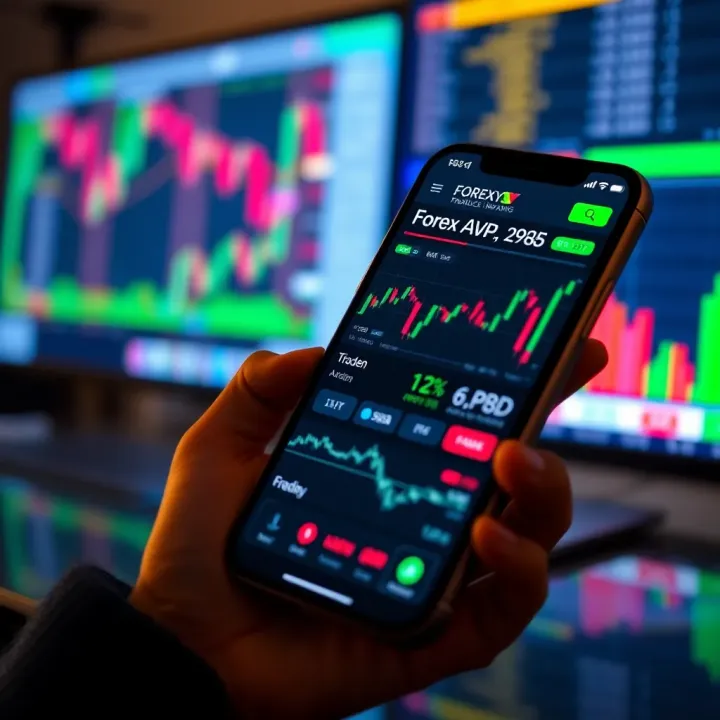
Explore top forex trading apps in India 🇮🇳 with features on security, costs, currency pairs & user support. Learn to pick best app & avoid scams safely 📱

Discover how India's richest forex traders built their wealth 💰, their strategies 📈, challenges faced ⚠️, and key lessons for aspiring traders 🇮🇳.
Based on 14 reviews