
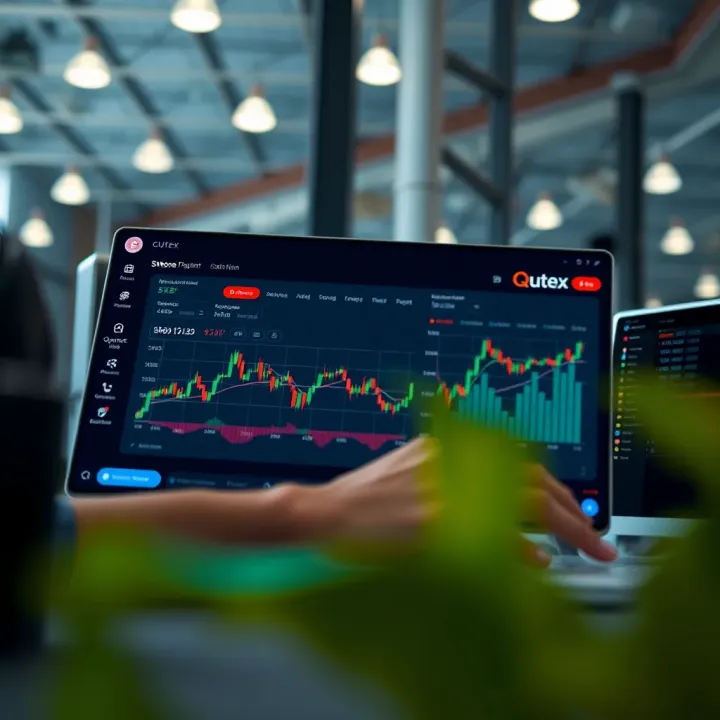
Guide to Trading on Qutex Platform
Explore Qutex trading 📈: learn fundamentals, platform features, trading strategies & risk management tips for traders in India and worldwide.
Edited By
George Foster
Creating an efficient trading room is more than just setting up screens and gadgets; it’s about building an environment that actively supports quick decision-making and sharp focus. For traders, brokers, and analysts, an optimised workspace not only reduces mental clutter but also drives better results consistently.
The layout should prioritise accessibility and visibility. Instead of cramming multiple monitors randomly, organise them so critical information is always within easy sight, reducing neck strain and fatigue. For example, placing your main trading screen directly ahead and secondary charts on flanking displays helps maintain balance and attention.
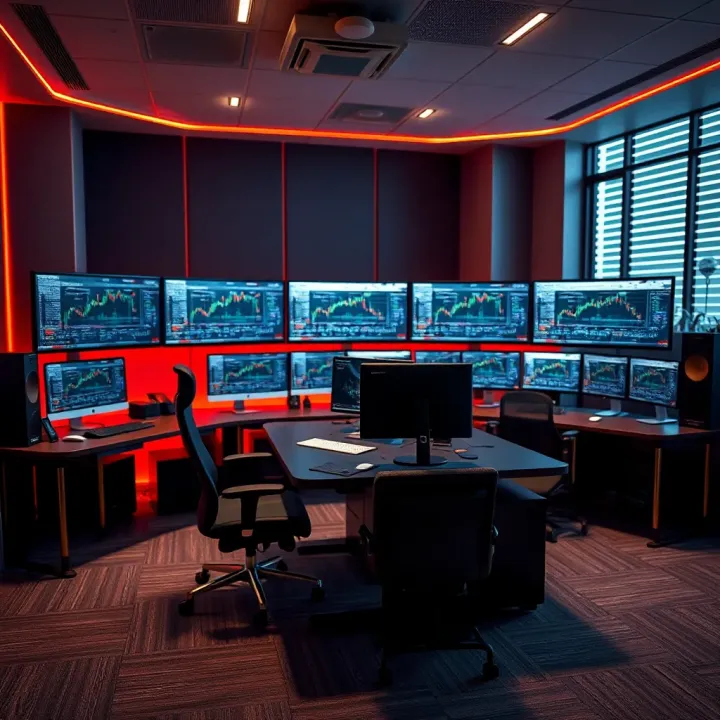
Lighting plays a surprisingly big role. Harsh fluorescent lights cause glare and eye strain, which you want to avoid during long market hours. Using adjustable LED lamps with warm tones can reduce stress and keep your energy levels steady.
Ergonomics is another key factor. A comfortable chair with lumbar support, desks at proper height, and footrests improve posture. Traders often spend hours seated and need to avoid repetitive strain injuries to stay productive throughout the day.
Clear visual hierarchy and intuitive setup in your trading room can save precious seconds during volatile market movements – every millisecond counts.
Apart from hardware, clutter-free surroundings and noise control matter. Using cable organisers and placing noise-cancelling headphones close at hand maintains focus. Personalising the space with subtle motivational elements or greenery can help reduce stress without causing distractions.
To sum up, a cool trading room blends practicality with personal comfort. Thoughtful placement of tools, good lighting, ergonomic furniture, and a dash of individual style create a workspace supporting effective trading. It's this balance that helps traders keep calm, stay alert, and respond swiftly to market changes.
Planning your trading room space is the foundation for effective trading. The right environment can sharpen focus, reduce fatigue, and streamline your workflow. Without careful planning, even the best hardware and software can feel limiting or chaotic. Traders often overlook this step, but a well-thought-out space directly impacts decision-making speed and accuracy.
Selecting a quiet corner or room can help you keep distractions at bay, which is essential for quick, clear thinking. For example, a room away from household noise or street traffic allows you to concentrate on market movements without constant interruptions. This setting reduces stress and improves your ability to catch fleeting trading opportunities.
Your trading setup depends heavily on uninterrupted power and stable internet. Ensure the location has multiple power outlets to support your computer, multiple monitors, chargers, and any backup devices like Uninterrupted Power Supplies (UPS). Additionally, a strong broadband or fibre connection is vital. A spot near your router or a wired Ethernet connection helps avoid lag or disconnections that can cost you dearly during volatile market hours.
Natural light boosts mood and reduces eye strain, but its placement matters. Ideally, arrange your screens perpendicular to windows to avoid glare while benefiting from daylight. For instance, a north-facing window can offer soft, diffuse light that lasts throughout the day, helping maintain alertness without harsh reflections on your monitors.
Position your desk so you can maintain a comfortable posture and easily access all your trading equipment. Facing a wall or corner often minimises visual distractions. Make sure there's enough clearance for leg movement and chair adjustment to reduce physical strain during long sessions.
Multiple monitors are common for traders tracking several charts and news feeds at once. Ensure your desk has enough width and depth to hold these screens along with a keyboard, mouse, and extra devices like a ledger or tablet. For example, a desk at least 150 cm wide can comfortably hold three 24-inch monitors with room to spare.
Messy cables can clutter the space and create hazards. Use clips, sleeves, or under-desk trays to organise wires neatly. Label your cables clear enough so you can quickly identify and disconnect devices without pulling at a tangled mess. This organisation helps you maintain a clean workspace and speeds up troubleshooting if a device fails.
A carefully planned trading room space not only improves your work efficiency but also contributes to better mental clarity, essential for making fast, informed decisions in a dynamic market environment.
Choosing the right hardware is vital for any trader who wants to stay ahead in a fast-moving market. Reliable equipment ensures smooth execution, quick responses, and reduces downtime. Every component—from monitors to keyboards—should support efficiency and minimise distractions.
While a single high-quality monitor might be enough for occasional trading, most active traders benefit from multiple monitors. Using two to four screens allows you to monitor various charts, news feeds, and trading platforms simultaneously without constantly switching tabs. For instance, in an intraday trading setup, having one screen dedicated to price charts while another shows order books or market news can save precious seconds.
Screen size and resolution directly affect clarity and workspace. Traders often prefer monitors around 24–27 inches to strike a balance between visibility and desk space. A Full HD (1920x1080) resolution usually suffices for general trading, but if you deal with multiple apps or complex charts, consider 2K or 4K displays for sharper details. For example, a 27-inch 2K monitor provides ample screen real estate to view candlestick patterns and technical indicators clearly.
Adjustable stands help align monitors perfectly with your eye level, which reduces neck strain during long sessions. Some stands also support rotation and multiple-angle adjustments to fit your desk layout. Having this flexibility means you can position your screens comfortably, which improves focus and reduces fatigue. Besides, better ergonomics can even prevent headaches caused by improper posture.
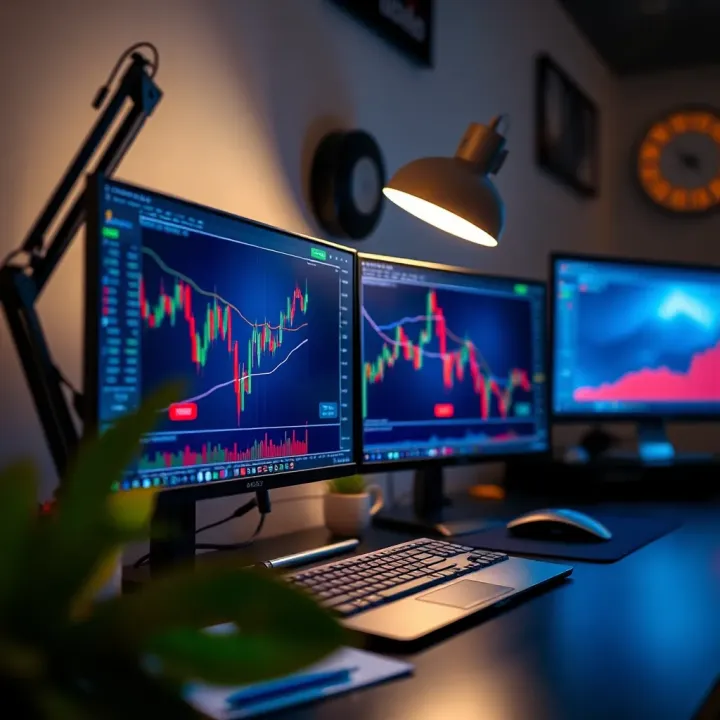
A trader’s computer must handle multiple applications and data feeds without lag. Aim for at least an Intel i5 or Ryzen 5 processor, 8GB RAM, and a solid-state drive (SSD) for faster boot and loading times. If you run sophisticated trading algorithms or multiple charting tools, upgrading to 16GB RAM and a dedicated graphics card can vastly improve performance. For example, a fast SSD ensures your trading software launches instantly, helping avoid delays during critical market moves.
Comfortable input devices reduce wrist strain and boost efficiency. Mechanical keyboards with tactile feedback help traders input commands accurately and quickly. Similarly, ergonomic mice allow for smooth navigation, which is important when you need to scroll through charts rapidly. Investing in quality peripherals not only supports extended trading hours but also decreases the odds of repetitive strain injuries.
Power interruptions can kill your trading opportunities instantly. An uninterruptible power supply (UPS) provides backup power, giving you enough time to save work and close positions safely during outages. External storage devices let you maintain backups of essential files, charts, and trading logs. This safeguard ensures you don’t lose important data after system failures. For example, a UPS lasting 10–15 minutes can be a lifesaver during sudden power cuts common in certain areas.
A well-planned hardware setup is not just about having the latest gadgets; it’s about choosing tools that increase productivity and provide reliability when markets move fast.
Setting up the right trading software and tools is vital for any trader aiming for efficiency and informed decision-making. The right software not only provides real-time market information but also helps execute trades swiftly and accurately—key for capitalising on market opportunities.
In India, platforms like Zerodha’s Kite, Upstox, and Angel One dominate due to their user-friendly interfaces and robust features. They offer seamless access to NSE and BSE markets, making them suited for both beginners and seasoned traders. For example, Zerodha’s Kite balances a clean interface with advanced charting tools that help traders keep pace with fast-moving markets.
When choosing a platform, look for features such as real-time market data, technical analysis tools, and easy order execution capabilities. Platforms that provide advanced charting options—like candlestick patterns, indicators, and drawing tools—allow better insight into market trends. Plus, an intuitive interface reduces the learning curve and helps you respond quicker during volatile sessions.
A trading platform’s strength lies in integrating live market data feeds. This ensures data accuracy and low latency, which are critical during volatile market hours. Traders should prefer platforms connected directly to exchange feeds or reliable vendors, helping avoid delays or data inconsistencies. This integration supports real-time chart updates, which are essential for timely trade decisions.
Financial news and economic calendars are non-negotiable for active traders. Tools like Moneycontrol and Investing.com offer India-specific news, policy announcements, and event dates such as RBI meetings or earnings reports. Keeping tabs on such updates ensures traders can anticipate market moves triggered by economic or political changes.
Smart traders use software to track their portfolio performance and manage risk effectively. Platforms offering integrated risk management features help monitor exposure, set stop-loss orders, and diversify holdings. For instance, Kotak Securities provides portfolio tools that allow users to assess their asset allocation and risks in real-time, promoting disciplined trading.
Custom alerts are crucial to staying ahead without constantly staring at screens. Setting price targets, volume spikes, or technical indicator triggers sends instant notifications via mobile apps or emails. This flexibility allows traders to react to market movements the moment their conditions are met, increasing the chances of improved trade outcomes.
Using trading software and supporting tools thoughtfully can transform your trading room into a command centre where decisions are swift, information is precise, and risks are managed well.
Choosing and configuring the right software tools tailored to your trading style and needs creates a solid foundation for effective and confident trading.
A well-designed trading room is not just about technology and hardware; ambience and ergonomics play a crucial role in keeping a trader alert and efficient. Low stress and physical comfort can significantly impact focus during long trading sessions, especially when decisions must be quick and precise. Paying close attention to lighting, furniture, and organisation helps create an environment conducive to sharp mental performance and steady endurance.
Natural light helps maintain a healthy circadian rhythm, which is vital if you spend hours in front of screens. Positioning your trading desk near a window can boost mood and reduce eye strain. However, too much direct sunlight can cause glare, so use blinds or curtains to control light intensity effectively. Supplement natural light with soft, diffused artificial lighting to avoid harsh contrasts that tire the eyes.
Cool white light, resembling daylight at around 5000K, improves alertness and attention. This makes it ideal for trading hours when you need to be at your sharpest. On the other hand, warm light tones around 2700K can help wind down after trading, reducing mental fatigue. Employ smart bulbs or adjustable lamps to switch between cool and warm hues according to the time of day or mood.
Glare not only strains your eyes but also distorts the visibility of charts and numbers on trading screens. Position monitors perpendicular to windows and use matte screen protectors to minimise reflections. Adjustable LED desk lamps with dimmer controls can also help manage glare during different daylight conditions.
Investing in an ergonomic chair with lumbar support is a must for trading rooms. It reduces back strain during long hours of sitting. Adjustable desks that allow switching between sitting and standing posture can further improve circulation and reduce fatigue. For example, a height-adjustable desk from Steelcase or Herman Miller can last you years.
Keep your keyboard and mouse at a height where your forearms stay parallel to the floor to prevent wrist strain. Ergonomic keyboards shaped to fit natural hand positions can reduce the risk of repetitive strain injuries (RSIs). Placing the mouse close to the keyboard avoids overstretching and maintains smooth hand movements crucial for swift trades.
Footrests help maintain proper leg posture and reduce lower back pressure, especially when your feet don’t comfortably reach the floor. Meanwhile, wrist supports or cushions under your keyboard and mouse pads prevent unnatural bending of wrists, enhancing comfort over prolonged sessions.
Clutter can distract and slow down a trader’s decision-making. Use drawers, shelves, or modular storage units to keep papers, stationery, and devices organised but within easy reach. Consider vertical storage options to save floor space, which is valuable in smaller rooms or urban homes.
Messy cables not only look untidy but can cause accidents or hardware damage. Use cable trays, clips, or sleeves to bundle wires neatly. Label your cables according to devices to save time during maintenance or upgrades.
Regular cleaning prevents dust buildup that can damage electronic equipment and trigger allergies, affecting concentration. Wipe screens and desks daily, and schedule deeper cleanups weekly or monthly. Keeping your trading space hygienic supports a healthy mind and body, ready for the rapid pace of market action.
A trading room tailored for comfort and focus leads to better decision-making and reduces burnout. By improving ambience and ergonomics, you give yourself the best chance to perform consistently well.
Creating a personalised trading room space helps maintain focus and boosts confidence during intense trading sessions. It turns a purely functional area into a motivating environment that reflects your goals and work style. This section covers practical ways to add motivation and comfort with simple yet effective elements.
Putting up motivational quotes or posters in your trading room can act as a quick reminder to stay disciplined and resilient. For example, a quote like "Plan your trade, trade your plan" near your monitor can keep you grounded during volatile market movements. Posters with market-related themes, such as charts or famous investor portraits, add relevance while inspiring confidence.
Showcasing your trading certificates, awards, or notable milestones subtly reinforces your expertise and progress. A small shelf or wall space dedicated to these can also provide a morale boost on challenging days. This display serves as a personal testament of your hard work and keeps your goals in sight.
Including a few personal photographs or artwork adds warmth to your trading room and reduces the sterile, mechanical feel. Family photos, favourite travel snapshots, or calming art pieces can create a balanced atmosphere. This blend of personal touch with professional space helps manage stress and keeps you connected during long hours.
Maintaining a comfortable temperature improves focus and prevents fatigue. Installing an AC or a quiet fan ensures you're not distracted by heat, especially during Mumbai summers or Delhi winters indoors. Some traders opt for smart air purifiers or humidifiers too, maintaining air quality, which is equally important for alertness.
Light background music or white noise can help mask distracting ambient sounds. Many traders find soft instrumental tracks or nature sounds effective in maintaining concentration without interfering with screen reading. Choose what suits your mind best; apps like Spotify or YouTube offer curated playlists tailored for focus.
Using smart devices like voice-controlled assistants can streamline your trading environment. For instance, controlling lights, fans, or even setting reminders hands-free can save precious moments. Brands like Amazon Alexa, Google Home are quite popular in Indian households and integrate smoothly with other gadgets.
Personalising your trading room is not just about aesthetics; it directly influences your mental state, enhancing decision-making and reducing burnout. A little effort in this direction goes a long way in your trading journey.
Explore Qutex trading 📈: learn fundamentals, platform features, trading strategies & risk management tips for traders in India and worldwide.
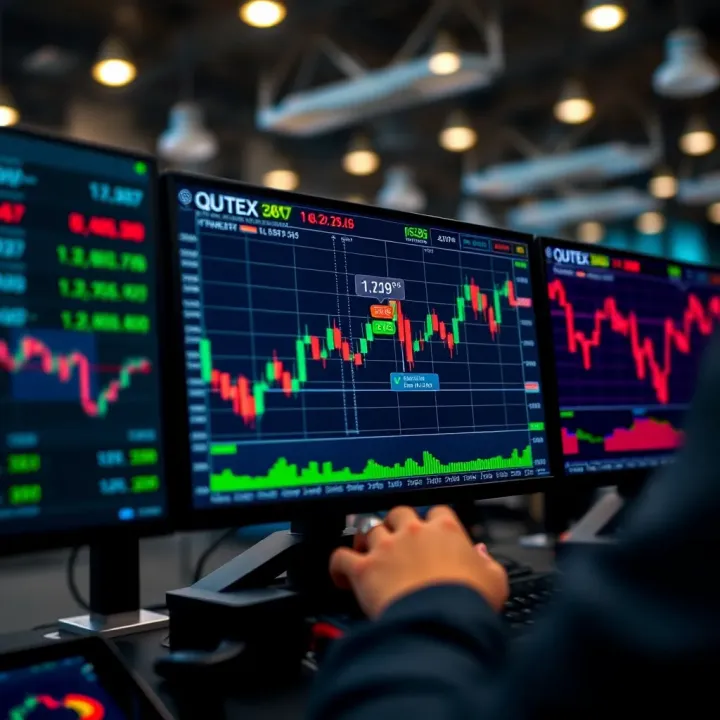
Explore how Quotex fits into the OTC market 🏦, understand digital options, benefits, risks, and get practical tips for Indian traders 🇮🇳 in this guide.
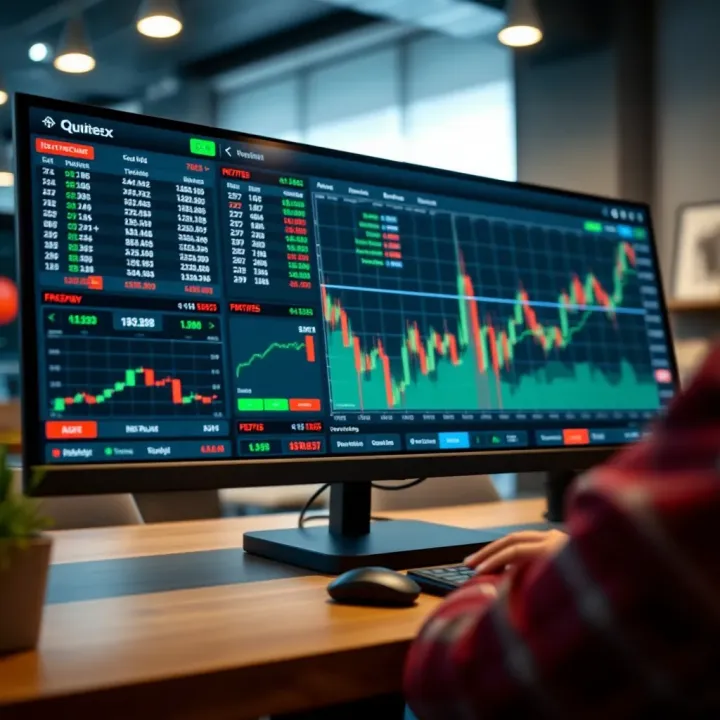
Explore Quotex, a detailed trading platform guide 📊—features, strategies, registration, safety tips & support options for Indian users. Trade smarter today!
📈 Discover everything about Quotex trading hours in India 🇮🇳, including IST timings, best trading windows, tips for smooth trades, and FAQs answered.
Based on 12 reviews