
Free Demo Trading Guide for Indian Investors
Learn how free demo trading helps Indian investors practise securities buying and selling risk-free 🛡️. Discover practical tips, avoid pitfalls, and boost your confidence before real trading.
Edited By
Henry Wallace
Trading success is less about luck and more about mastering specific strategies and insights. Expert traders combine skill, tools, and a strong mindset to navigate volatile markets effectively. This section gives you a snapshot of what makes a trader truly expert and sets the stage to explore their methods in detail.

Expert traders typically have years of experience in the market, a deep understanding of market behaviour, and sharp analytical abilities. They don’t just react to price movements—they anticipate trends and act decisively.
In India, expert traders are often seen among retail investors who regularly follow Sensex and Nifty movements, fund managers overseeing ₹crore portfolios, and even brokers advising clients daily. Many have adapted to using digital tools like the NSE mobile app or platforms providing real-time data and analysis.
Technical Analysis: Reading charts, recognising patterns such as head and shoulders, and using indicators like RSI and MACD to make informed trades.
Fundamental Analysis: Evaluating company health, sector growth, and broader economic indicators such as GST impact or RBI policy changes.
Risk Management: Setting stop losses and managing position sizes to protect capital is non-negotiable.
Technology Savvy: Using trading platforms like Zerodha Kite, Upstox Pro, and staying updated via reliable financial news portals.
Expert traders maintain discipline and emotional control. They understand that losses are part of the game but treat each setback as a lesson. Patience and adaptability distinguish them from casual investors.
Investing is a marathon, not a sprint. Most expert traders recommend focusing on consistent, small gains rather than trying to hit home runs.
With this foundation, the article will further unravel proven trading strategies, risk management techniques, and behavioural insights tailored to Indian investors’ needs.
Grasping what expert trading involves is the foundation for mastering any trading endeavour. It's not just about buying and selling stocks or commodities; expert trading demands a deep understanding of marketplaces, sound strategies, and the discipline to manage risks effectively. Especially for Indian investors, recognising this difference can help navigate the volatile nature of markets like the NSE or BSE better.
Expert trading refers to employing advanced knowledge, experience, and techniques to optimise returns while managing risk meticulously. It goes beyond casual investing or speculation. The scope spans across various asset classes such as equities, commodities, forex, and derivatives, with expert traders often using systematic approaches like technical and fundamental analysis combined with real-time market intelligence. For example, a trader actively using RSI (Relative Strength Index) and volume trends to time entry and exit points represents expert trading practices.
The key difference lies in preparation and execution. Amateur traders might rely on tips or gut feelings, while expert traders follow data-driven strategies, backtested methods, and have a defined trading plan. Experts know how to manage emotions and stick strictly to risk limits, preventing impulsive decisions. Though an amateur trader might hold a stock hoping for a quick profit, an expert will assess company fundamentals, market trends, and risk factors before committing capital.
Market knowledge forms the backbone of expert trading. An expert trader studies macroeconomic indicators, company results, and geopolitical factors influencing price movements. Analysis tools such as candlestick charts, moving averages, and earnings reports play a critical role. For instance, understanding how RBI policy changes affect banking sector stocks can give a trader an edge. Without strong analytical skills, traders expose themselves to unnecessary risk and erratic outcomes.
Expert trading demands a blend of skill, strategy, and continuous market education to operate confidently in shifting financial landscapes.
In summary, understanding expert trading means recognising its broad scope, distinct approach versus amateurs, and the vital part market knowledge and analysis play. This knowledge sets the tone for applying techniques and managing risks efficiently in later sections.
Expert traders rely heavily on a solid set of skills combined with the right tools to make informed decisions and maintain an edge in volatile markets. Mastering these aspects is essential since they help traders identify opportunities, minimise risks, and react swiftly to market changes. Without this foundation, even the best strategies may falter.
Technical analysis is a core skill that involves studying historical price patterns and market data to forecast potential price movements. Traders use charting tools to spot support and resistance levels, trendlines, and formations such as head and shoulders or double tops. For instance, an expert may watch the Relative Strength Index (RSI) to identify whether a stock is overbought or oversold, thereby deciding on entry or exit points. Understanding candlestick patterns like dojis or hammers provides additional clues about market sentiment, especially in markets like NSE or BSE where price swings can be sharp.
Unlike technical analysis, fundamental analysis looks at underlying factors influencing a company or asset—such as financial health, sector performance, and macroeconomic indicators. An expert trader might dive into quarterly results or cash flow statements of companies listed on Sensex to evaluate their growth prospects. Monitoring RBI policies, inflation rates, and GST updates also plays a significant role as these impact overall market conditions. For example, a spike in crude oil prices affects companies across sectors, altering their valuations and thus trading decisions.
Proficiency with trading platforms is non-negotiable for executing trades efficiently. Tools like Zerodha Kite, Upstox, or Angel Broking offer real-time quotes, advanced charting, and risk management features. Expert traders customise their dashboards to monitor favourite stocks and use alerts to catch quick moves. Familiarity with order types like stop-loss, bracket orders, or cover orders helps manage trades smartly, saving valuable time in fast markets. Efficient use of mobile apps ensures traders can respond even when away from their desks.
Data-driven analysis is central to expert trading. Using indicators such as moving averages, Bollinger Bands, and the MACD oscillator provides quantifiable measures of trend strength and volatility. Additionally, volume analysis often confirms price moves, signalling strong buying or selling pressure. Experts also follow economic calendars for announcements like RBI repo rate decisions or corporate earnings, which can cause sudden market shifts. By integrating multiple data points, they avoid one-sided views and reduce chances of surprises.
Successful trading demands more than just intuition; combining sharp skills with proper tools sharply improves decision making and consistency in returns.
Expert traders rely on a variety of well-defined strategies to navigate volatile markets and optimise profits. The choice of strategy depends on an individual's time commitment, risk tolerance, and market conditions. Understanding these approaches helps traders tailor their methods to their strengths and market trends, increasing the chances of consistent gains.
Day trading involves buying and selling securities within the same trading day, closing all positions before the market closes. Scalping, a faster variant, focuses on capturing small price movements through numerous quick trades. Both strategies demand focused attention, quick decision-making, and access to real-time data. For example, an expert trader tracking Nifty 50 futures might execute multiple scalps during a volatile session, locking in small profits repeatedly. These methods suit traders who can dedicate time during market hours and tolerate intense price fluctuations.
Swing trading aims to capitalise on price swings over days or weeks, relying on technical patterns and market momentum. Position trading, on the other hand, extends over weeks or months and depends mainly on fundamental analysis and macroeconomic factors. An expert swing trader might spot a retracement in a stock like Reliance Industries and enter a trade to profit from the bounce. Position traders might hold shares in Tata Consultancy Services anticipating long-term growth from India's IT sector expansion. These strategies require patience and a clear understanding of market cycles.
Trend following relies on the premise that assets trending strongly tend to continue in that direction. Traders enter positions aligned with prevailing trends, using tools like moving averages and the Average Directional Index (ADX). Conversely, contrarian strategies involve going against the crowd, buying when others sell excessively or vice versa, often based on sentiment indicators. For instance, during a market correction, a contrarian trader might buy beaten-down stocks expecting a rebound after panic selling. Both strategies demand discipline and careful timing to avoid false signals.
Algorithmic trading utilises programmed instructions to execute trades automatically based on pre-set criteria. It reduces emotional bias and enables handling high-frequency trades or complex strategies efficiently. Indian brokers increasingly offer algorithmic tools and APIs that integrate with exchanges like NSE and BSE. For example, a trader might design an algorithm to scalp Nifty futures at set volatility thresholds or apply options strategies systematically. While effective, algorithmic trading requires technical expertise and continuous monitoring to adapt models as markets evolve.
Expert traders balance these strategies depending on their goals, risk appetite, and market environment. Combining methods like swing trading with automated risk management can lead to a robust trading approach that adapts to both short- and long-term opportunities.
Managing risk and preserving capital are the backbone of successful trading. No matter how solid your strategy or analysis seems, without proper risk control, your investments could falter quickly. This section sheds light on practical ways to manage losses and protect your hard-earned money, which is especially vital for traders navigating volatile markets like India’s.
Stop-loss and take-profit points help you control your risk and lock in gains automatically. A stop-loss order limits your loss by selling a security once it falls to a certain price. For example, if you buy shares of Reliance Industries at ₹2,500, setting a stop-loss at ₹2,400 ensures you don’t lose more than ₹100 per share. Conversely, a take-profit order sells the asset when it reaches a target price, securing your profits before the market reverses. This practical approach prevents emotional decision-making during sharp market moves and is essential for disciplined trading.
Diversification spreads risk across different assets or sectors, reducing the impact of a single poor-performing investment on your portfolio. Indian traders might balance portfolios with a mix of sectors like IT, FMCG, and pharmaceuticals instead of concentrating on just banking stocks. Position sizing is about deciding how much to allocate to each trade based on your overall capital and risk tolerance. For instance, risking 2% of your total trading capital per trade means even multiple losses won’t drain your account entirely. Both diversification and careful position sizing work together to smoothen returns and guard against unexpected market drops.
Leverage allows traders to control larger positions with a smaller capital outlay but magnifies both profits and losses. Using leverage of 10x means a ₹10,000 investment controls ₹1,00,000 worth of assets. While this seems attractive, the downside can wipe out your capital quickly if the market moves against you. Margin calls can force you to add funds or exit trades at a loss. Understanding how leverage affects your trades and using it cautiously, especially in volatile markets like the NSE or BSE, is key to sustainable trading.
Emotions like fear and greed can cloud judgement, causing premature exits or reckless risk-taking. Discipline in sticking to your risk management rules—whether it’s maintaining stop-loss orders or avoiding overtrading—protects your capital. Indian traders often face temptations to chase quick gains during festive bull runs or panic sell during sudden falls. Developing emotional control means accepting losses as part of trading and following a consistent plan irrespective of market noise.
Managing risk is not about avoiding losses but controlling their size and frequency. Protecting your capital is what keeps you in the game long enough to capitalise on opportunities.
Implementing these risk management techniques can significantly improve your chances of consistent success in trading. The key is to treat them as non-negotiable parts of your trading routine, not as optional add-ons.
Building a strong trading mindset is often what separates successful traders from those who struggle despite having the right skills or tools. Your mindset governs how you react to market volatility, handle losses, and adapt strategies. For Indian traders navigating markets such as the NSE or BSE amid global uncertainties, mental strength plays an especially vital role.
Markets evolve constantly, with new regulations from SEBI, changing economic indicators, and fresh technologies reshaping trading practices. A mindset open to continuous learning involves staying updated on these changes and adapting accordingly. For example, a trader who ignores the rise of algorithmic trading platforms or fails to understand GST impacts on sector performance puts themselves at a disadvantage. Embracing new strategies or tools based on recent market behaviour helps maintain an edge.
Losses are part and parcel of trading, no matter how much experience you have. Expert traders accept losses without letting emotions cloud judgment. They focus on analysing what went wrong, refine their approach, and keep moving forward. Consider how a trader in the commodity markets may face sudden price drops due to unpredictable monsoon patterns affecting crop yields. Recovering emotionally and financially requires resilience, allowing the trader to take calm, calculated decisions in future trades.
Many beginners enter trading hoping for quick riches, but seasoned traders know otherwise. Setting realistic targets aligned with market conditions and personal risk appetite helps prevent rash decisions. For instance, aiming for consistent monthly returns of 3–5% may suit a swing trader better than trying to double capital rapidly through high-risk bets. Realistic expectations also mean accepting that losses will happen and treating trading as a long-term endeavour.
Trading can be intense, especially during volatile sessions on indices like Nifty 50. However, neglecting personal wellbeing leads to burnout and impaired decisions. Successful traders set clear boundaries to balance family, health, and leisure with trading activities. For instance, setting specific hours for market analysis or using trading alerts can free up time for non-work commitments. This balance helps sustain focus and maintain emotional stability over the long haul.
A solid trading mindset combines ongoing learning, emotional control, practical goals, and a healthy life balance — all key ingredients to stay effective in India’s dynamic market environment.
Fostering these qualities will not only improve your trading outcomes but also help manage the stress that financial markets often bring.
Learn how free demo trading helps Indian investors practise securities buying and selling risk-free 🛡️. Discover practical tips, avoid pitfalls, and boost your confidence before real trading.
📱 Discover the best real trading apps in India! Learn features, security, and tips to trade smartly and meet your financial goals with confidence. 💹
📱 Curious about RBI approved trading apps? Learn how they secure your investments, top choices in India, and key tips for safe trading. Stay informed and trade smart!
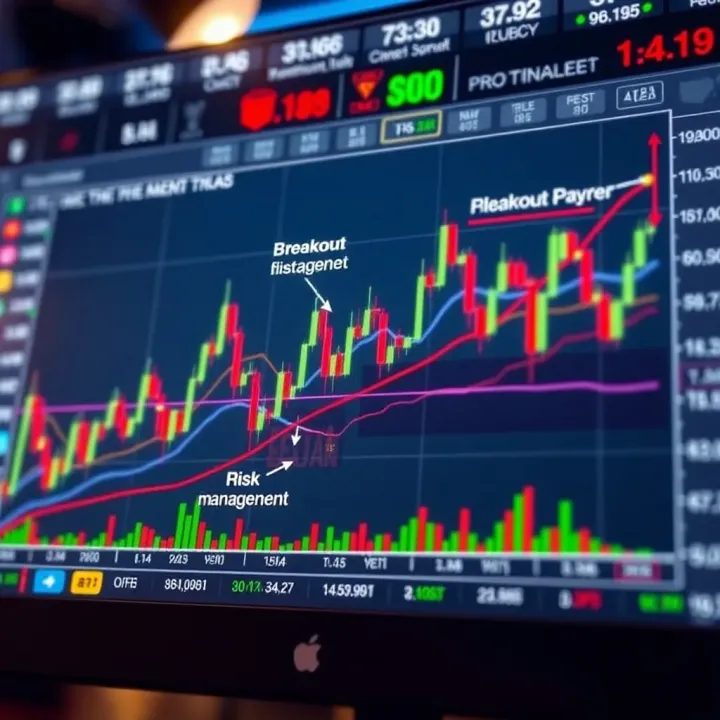
📈 Learn to spot diamond patterns on charts, decipher trading signals, and manage risks effectively. Master strategies to trade with confidence in Indian markets.
Based on 12 reviews