

Is Quotex Trading Legal in India? What You Should Know
Is Quotex trading legal in India? Explore India's online trading rules, risks, and precautions to trade safely and stay compliant. 📈⚖️🔍
Edited By
Thomas Harding
Understanding the legal status of Exness in India is a common concern among traders and investors looking to access global forex and CFD (Contract for Difference) markets. Exness is a well-known international trading platform offering forex and CFDs, but its operations face specific legal boundaries within India.
India's forex trading laws fall under the jurisdiction of the Reserve Bank of India (RBI) and the Securities and Exchange Board of India (SEBI). Residents can only legally trade currency pairs involving the Indian Rupee (INR) on registered Indian exchanges, such as the NSE (National Stock Exchange) and BSE (Bombay Stock Exchange).

Direct forex trading in international currency pairs on offshore platforms like Exness is generally not permitted under Indian regulations.
Some Indian traders use Exness to trade CFDs or forex pairs involving foreign currencies. However, these platforms operate outside the direct regulatory oversight of Indian authorities. This poses risks such as limited investor protection, exposure to unregulated products, and challenges with dispute resolution. Plus, depositing funds through channels unsupported by RBI rules may also violate currency transfer regulations under FEMA (Foreign Exchange Management Act).
To comply with Indian laws, traders typically:
Trade currency futures and options only on recognised Indian exchanges
Avoid unregulated offshore platforms for forex trading
Use authorised payment gateways following RBI norms for fund transfers
Still, some investors find ways around these restrictions, but they do so at their own risk. It is advisable to consult a financial advisor or legal expert familiar with Indian forex laws before dealing with platforms like Exness.
This article will break down the regulatory framework around forex and CFD trading in India, explain Exness’s position, and highlight ways for Indian users to trade while staying within legal boundaries.
Understanding the regulatory landscape for online trading and forex is essential before engaging with platforms like Exness. It provides clarity on what is allowed, what risks are involved, and how to stay within legal limits. Indian traders often face confusion about the legality of offshore brokers, making this overview crucial to avoid costly mistakes.
The Reserve Bank of India (RBI) strictly controls foreign exchange transactions to maintain the country’s financial stability. When it comes to forex trading, RBI’s regulations determine how much foreign currency Indian residents can buy or trade, and under what terms. For example, Indian residents cannot freely convert rupees to foreign currency for speculative forex trading on overseas platforms.
The RBI’s rules apply to all financial dealings involving foreign exchange, including using international brokers. Traders need to be mindful of these provisions because trading beyond official limits could lead to violations of foreign exchange laws, resulting in penalties.
SEBI regulates securities markets in India, including equity derivatives and commodity trading contracts available on recognised exchanges. It ensures that brokers and trading platforms operating in India meet compliance standards for investor protection and transparency.
For Indian traders, SEBI’s role means only trading through brokers registered with it provides legal protection. Offshore brokers, even if reputable globally, may not fall under SEBI’s jurisdiction, which could leave Indian users vulnerable if disputes arise.
FEMA governs the movement of foreign exchange in India. It restricts capital account transactions, including trading forex or derivatives not permitted under the Act. For example, overseas forex trading that involves converting rupees into foreign currency outside authorised channels breaches FEMA.
This legal backdrop means Indians can trade currency pairs involving the rupee (like USD/INR) only on domestic platforms. Any forex activity involving only foreign currencies (like EUR/USD) generally requires RBI approval, which is rarely granted for speculative purposes.
Indian law bars residents from using foreign exchange to speculate in offshore forex markets without RBI approval. This restricts the use of overseas trading platforms like Exness for forex pairs that do not include the Indian rupee.
To illustrate, while you might trade Indian equity derivatives on NSE or BSE legally, opening an account with a foreign broker and trading international currencies or CFDs outside India’s regulatory framework is typically not compliant with Indian law.
Indian traders should always confirm if their forex trading activities meet RBI and SEBI rules, as non-compliance can lead to legal and financial troubles.
This overview sets the stage to understand if platforms like Exness operate within India’s regulatory boundaries and what Indian traders should consider before trading with them.
Before assessing whether Exness is legal in India, it is important to understand what the platform offers and how it operates. This context helps traders weigh the benefits and drawbacks based on their needs, alongside regulatory considerations. Exness is popular for online forex and CFD (Contracts for Difference) trading, attracting global users with its range of services.
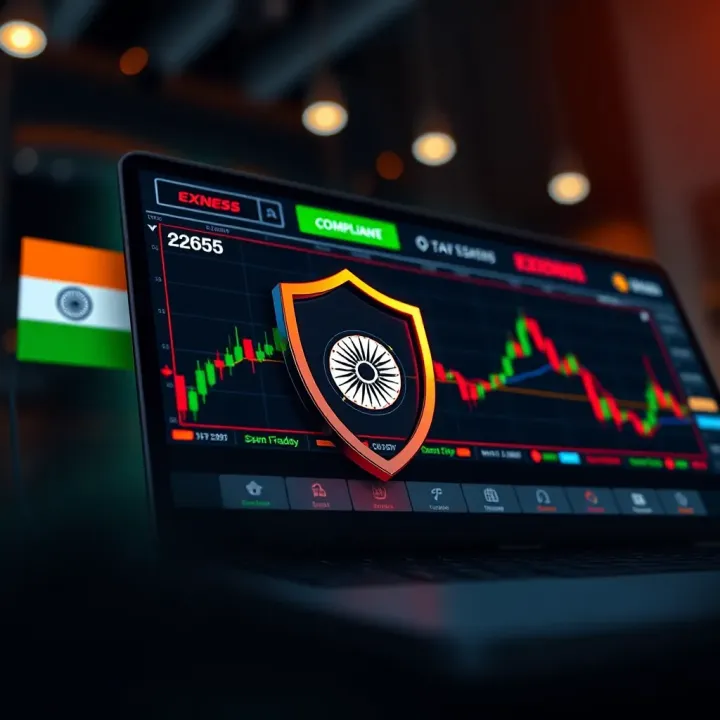
Exness provides access to trading multiple currency pairs, including major ones like USD/INR and EUR/USD as well as more exotic pairs involving emerging market currencies. This variety enables traders to speculate on forex price movements, which requires understanding market trends and global economic factors. For example, an Indian trader might look to capitalise on rupee volatility against the US dollar during RBI monetary policy changes.
The platform offers real-time pricing and order execution, which are critical for timely trading. Forex trading here can be done 24/5, reflecting most global markets’ timings, giving traders flexibility beyond local market hours.
Apart from forex, Exness also facilitates CFD trading on assets like stocks, indices, commodities, and cryptocurrencies. CFDs allow traders to speculate on price changes without owning the actual asset. For instance, a trader can bet on the price movement of Nifty 50 index via CFDs without directly buying shares.
This form of trading is attractive as it requires lower capital upfront compared to buying physical assets, but it comes with risks like market volatility and leverage-induced losses. Indian traders often find CFDs useful for diversifying portfolios but need to ensure compliance with SEBI regulations.
Exness provides various account types such as Standard, Pro, and Zero, each with different features, spreads, and leverage options. Leverage amplifies both gains and losses by allowing traders to control larger positions with smaller funds. For example, with 1:100 leverage, ₹10,000 can control ₹10,00,000 worth of currency.
While leverage benefits experienced traders aiming for higher returns, it also increases risk, especially in volatile markets. Exness's choice of accounts caters to beginners seeking low-risk entry and advanced traders needing tighter spreads and higher leverage.
Exness operates under several licences issued by recognised authorities such as the Financial Conduct Authority (FCA) in the UK and the Cyprus Securities and Exchange Commission (CySEC). These licences require adhering to strict compliance standards related to client fund protection, anti-money laundering, and transparent reporting.
Having such licences builds trust globally, assuring users of regulatory oversight and legal adherence in respective jurisdictions. For instance, FCA regulation implies segregation of client funds and dispute resolution mechanisms.
Despite its global licences, Exness does not hold direct regulation from Indian authorities like SEBI or the Reserve Bank of India (RBI). This means Indian traders using Exness operate in a regulatory grey area, as Indian law restricts forex trading predominantly to currency pairs involving the Indian rupee within authorised exchanges.
Traders should understand that while Exness’s international regulation indicates a degree of safety, it does not exempt them from abiding by Indian laws. Moreover, trading on unregulated platforms in India exposes users to potential legal and financial risks, including difficulties in fund recovery in case of disputes.
India's regulatory framework primarily allows forex trading on pairs involving the rupee through SEBI-regulated brokers. Platforms like Exness, while globally licensed, don’t have express approval in India, so compliance and risk assessment remain the trader’s responsibility.
Understanding Exness's services and regulatory position globally helps Indian traders make informed decisions, balancing opportunities against legal and financial risks.
Understanding whether trading through Exness is legal in India matters a lot for anyone looking to invest or trade in forex or CFDs via this platform. Indian regulations around overseas trading are quite clear but often misunderstood, leading many traders to take risks unknowingly. This section breaks down what the law permits, the limitations on forex trading outside India, and the official stance of the government and Reserve Bank of India (RBI) on platforms like Exness.
Indian law allows citizens to trade forex only in pairs that involve the Indian rupee (INR) on exchanges recognised by the Securities and Exchange Board of India (SEBI), such as the NSE or BSE. Trading in currency derivatives is permitted but strictly within these frameworks. For example, currency futures and options on NSE and BSE are lawful avenues for Indian traders. This framework helps the government regulate forex exposure and maintain financial stability.
Outside these channels, trading forex pairs that don't involve INR is generally not allowed. For instance, dealing in USD/EUR or GBP/JPY currency pairs through offshore platforms violates Indian foreign exchange rules, as these transactions do not go through authorised Indian channels.
The Foreign Exchange Management Act (FEMA) restricts Indian residents from engaging in forex trading on platforms located abroad unless specifically allowed. Transactions involving the conversion of Indian rupees into foreign currency or vice versa for speculative purposes over overseas platforms are prohibited. This extends to trading contracts for difference (CFDs) on forex or commodities through foreign brokers like Exness.
For example, even if an Indian trader has access to Exness's global platform where they offer a variety of currency pairs and CFDs, participating in those trades directly from India runs counter to FEMA's rules. Using foreign accounts or credit cards to fund such trades can carry legal consequences, including penalties.
The RBI and Indian government have issued notices discouraging participation in unregulated overseas forex trading platforms. They warn that such practices may lead to legal action, loss of funds, and difficulties in fund repatriation. RBI’s remit is to control the foreign exchange flows and protect investors from potential frauds. Since Exness is not regulated by Indian authorities like SEBI, it falls into a grey area in official terms.
This cautionary approach is evident from circulars and advisories released over the years highlighting the risks associated with investing in unregulated foreign entities. Traders are urged to verify licensing and opt for SEBI-registered brokers.
A frequent misunderstanding is that using international brokers like Exness from India is automatically legal just because the platform operates globally. This is not true. Indian law focuses on the trader’s residence, meaning how and where the trading is conducted matters most. For instance, even if Exness holds licences in countries such as Cyprus or Seychelles, these do not grant a clean legal slate for Indian residents to trade via Exness.
Another misconception is believing that trading forex pairs involving INR on such platforms is fine, but most offshore platforms do not offer INR pairs or do so without proper Indian regulatory approval. Traders sometimes assume non-resident Indians (NRIs) can freely trade on these platforms, but they too must follow FEMA guidelines and often require permissions under specific conditions.
To sum up, the legality hinges on abiding by FEMA and RBI rules which currently limit Indian residents from engaging on overseas trading platforms like Exness without regulatory sanction.
Understanding these legal boundaries helps prevent trouble ranging from fund seizures to penalties, making it crucial for Indian traders to stay informed before using Exness or similar platforms.
Trading on platforms like Exness may seem attractive given the variety of forex and CFD options, but Indian traders must understand the inherent risks involved. These risks span legal, financial, and security concerns, which can significantly impact your investments if overlooked.
Potential breaches of FEMA regulations: The Foreign Exchange Management Act (FEMA) regulates how Indian residents conduct foreign exchange transactions. Trading on overseas platforms such as Exness without explicit permission could violate FEMA provisions, since Indian law restricts citizens from participating directly in foreign exchange markets outside approved frameworks. For example, booking profits on currency pairs outside authorised categories or transferring funds internationally for speculative trading might attract penalties or legal action from authorities. Thus, although Exness operates globally, using it for forex trading may involve legal risks for Indian traders.
Consequences of unregulated trading: Exness is not regulated by Indian authorities like the Securities and Exchange Board of India (SEBI). Trading on such unregulated platforms means you do not enjoy protections under Indian law, such as dispute resolution or investor grievance mechanisms. If the broker faces operational issues or refuses withdrawals, Indian users have little recourse. Furthermore, tax implications arise from gains made on such platforms, complicating compliance without clear regulatory oversight. The lack of local regulation can therefore expose traders to financial losses and legal grey areas.
Protection mechanisms available: Unlike brokers regulated in India, Exness follows regulatory regimes from other countries, which follow different standards for client fund protection. Some safeguards, such as segregated accounts or compensation funds, may exist but are limited by jurisdictional differences. Consequently, Indian traders cannot rely fully on these protections. For example, a sudden broker insolvency or cyberattack might lead to delays in fund recovery or capital loss.
Withdrawal and deposit challenges: Since Exness caters to a global clientele, Indian traders may face obstacles in smoothly transferring money. Payment gateways used by Exness might not always support Indian banks or UPI platforms. Withdrawals can be time-consuming or complicated by foreign exchange controls. Anecdotal reports from users highlight instances of delayed crediting of withdrawal amounts or added fees due to currency conversion. These practical difficulties can erode the trading experience and affect liquidity.
Understanding these risks upfront helps you avoid expensive mistakes. If you plan to trade forex or CFDs, weigh these legal and security concerns seriously before using overseas brokers like Exness.
To mitigate these risks, Indian traders should verify the regulatory status of any platform, seek alternatives regulated by SEBI, and ensure compliance with FEMA rules. Trading within Indian exchanges or through authorised brokers offers better legal clarity and fund safety. Remember, while global brokers like Exness provide diverse market access, the onus of abiding by Indian laws and safeguarding investments lies with the trader.
Trading on international platforms like Exness can be tempting, but Indian traders must exercise caution to stay within legal boundaries. Approaching Exness safely means understanding how to verify if the platform complies with relevant regulations, and knowing legal alternatives that suit India’s trading ecosystem. This reduces legal and financial risks while enabling traders to engage confidently.
Before trading with Exness, Indian traders should verify if the broker is registered with SEBI (Securities and Exchange Board of India) or any other recognised authority. SEBI regulates all financial intermediaries offering services within India to protect investors. If a broker lacks SEBI registration, trading through them could violate Indian laws, mainly related to the Foreign Exchange Management Act (FEMA). For instance, many overseas platforms operate without SEBI oversight, exposing traders to the risk of fund loss or legal consequences.
Indian traders are advised to use authorised channels for forex and securities trading. This means opting for brokers who have established local operations, adhere to Indian regulatory standards, and provide secured deposit and withdrawal mechanisms. Platforms that work through India-based banks and offer payment methods like UPI, NEFT, or RTGS reduce the chances of fund transfer issues. Using authorised channels also ensures better resolution support if disputes arise. For example, brokers like Zerodha and Upstox operate fully within SEBI’s framework, ensuring compliance and safer transactions.
Several Indian brokers offer forex trading and derivative products under SEBI’s watch. Trading with this kind of domestic broker safeguards you from the kind of legal uncertainty connected to offshore platforms. Domestic brokers provide transparent deal settlement, real-time regulatory updates, and access to local customer support. By staying with brokers like ICICI Direct or Angel Broking, traders can enjoy regulated leverage limits and market safeguards that protect against potential scams and fraud.
Besides broker selection, focusing on Indian exchanges such as the National Stock Exchange (NSE) or Bombay Stock Exchange (BSE) is a practical legal route. These exchanges offer futures and options contracts linked to currency pairs, along with equities and commodities trading, backed by SEBI and RBI safeguards. This method helps traders avoid complexities of overseas forex markets and aligns investments with Indian law. Moreover, it allows easier tax compliance and cash flow management through India-based payment systems.
Staying within the regulatory framework not only shields your investments from legal troubles but also builds a safer trading environment by leveraging local support and protections.
Traders should balance the allure of international platforms like Exness with the practical benefits and protections offered by Indian regulators and brokers. This approach minimises risks and supports sustainable trading growth.
Is Quotex trading legal in India? Explore India's online trading rules, risks, and precautions to trade safely and stay compliant. 📈⚖️🔍

📊 Explore the legal status of Quotex in India 🇮🇳, understand regulations, risks, and key tips for safe online trading with this platform. Stay informed!

Is Quotex trading legal in India? 🇮🇳 Understand the rules, risks, and safe trading tips before you start online trading on Quotex platforms.

Is Quotex legal in India? 🇮🇳 Learn about rules, risks, and how to safely trade on this platform. Stay informed before you invest! 📊⚠️
Based on 15 reviews