

Understanding QX Affiliate for Indian Marketers
💼 Explore QX Affiliate with this detailed guide for Indian marketers! Learn registration, promos, commissions & payment tips for success 🇮🇳
Edited By
Oliver Bennett
India’s coffee market is evolving rapidly, offering a buffet of options beyond the global giant Starbucks. While Starbucks was launched in India with high expectations and a premium appeal, it faces strong competition from several domestic and international brands that understand local tastes and price sensitivity better.
The coffee chain segment includes major players like Cafe Coffee Day (CCD), which commands widespread presence with its affordable pricing and familiarity among Indian consumers. CCD became a household name with outlets across cities and towns, building a loyal base by blending Indian preferences with the café culture.
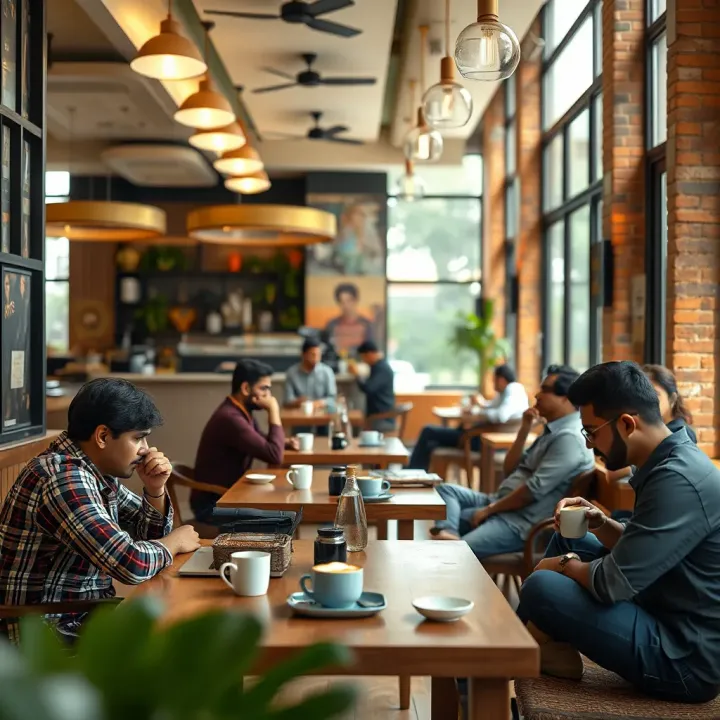
Besides CCD, international chains such as Costa Coffee and Barista also compete fiercely. Costa Coffee, owned by Coca-Cola India, focuses on providing a slightly upscale experience but keeps prices competitive. Barista, an early entrant in India’s café scene, has worked on rebranding itself to stay relevant, targeting office-goers and young professionals.
New entrants like Blue Tokai, a specialty coffee roaster and café chain, are shifting focus towards quality-conscious consumers willing to pay a premium for fresh, single-origin Indian coffee. Their model appeals especially to urban millennials and professionals who seek authentic Indian coffee experiences.
Apart from these, independent cafés and local coffee houses dominate numerous tier-2 and tier-3 cities, often offering traditional South Indian filter coffee at much lower prices. This grassroots network often poses the biggest challenge to Starbucks’ growth due to strong local loyalty and cost advantages.
The Indian coffee market’s diversity and price sensitivity require brands to adapt strategies finely – relying solely on a global premium model may limit growth opportunities for chains like Starbucks.
Investors should note:
Price sensitivity influences consumer choice heavily, favouring brands with varied pricing tiers.
Local preferences, such as filter coffee and regional flavours, remain strong contenders against western espresso-based menus.
Rapid urbanisation and changing lifestyle trends create pockets of premium buyers but also challenge brands to balance quality with affordability.
Understanding this competitive landscape is critical for any market participant looking to gauge Starbucks’ position and the broader coffee opportunity in India.
The Indian coffee market landscape sets the stage for understanding how Starbucks and its competitors operate. This marketplace is dynamic, shaped by changing lifestyles, urbanisation, and evolving consumer tastes. For investors and analysts, recognising these underlying market forces is key to predicting growth patterns and identifying opportunities across tier-1 and tier-2 cities.
Urban centres in India have witnessed a notable increase in coffee consumers, primarily driven by younger, working professionals and college students. Cities like Bengaluru, Pune, and Hyderabad have coffee consumption rates that rival traditional tea-drinking regions. These consumers see cafés not merely as places to drink coffee but as hubs for socialising and informal meetings. This urban uptake directly benefits chains with strong metropolitan footprints, demonstrating the importance of targeted city-level expansion strategies.
Indian consumers are shifting away from the simple coffee powders their parents used, seeking richer and more diverse coffee experiences. There is a growing appreciation for filtered coffee, espresso-based drinks, and cold brews. This shift originates from exposure to international flavours, travel, and digital media, creating demand for innovative menu items. For traders and analysts, monitoring these taste trends is important as they affect product development, pricing, and supply chain decisions.
The café experience now ranks higher than just the beverage itself for many consumers. Comfortable seating, free Wi-Fi, and aesthetically pleasing outlets have become significant customer draws. Chains like Starbucks and Barista have capitalised on this demand by designing spaces that encourage longer stays, effectively increasing per-customer spending. Investors should note that cafés focusing on ambience and service quality tend to generate higher footfall and customer loyalty.
Premiumisation has gained ground with a surge in speciality coffee demand. Urban millennials and professionals are willing to pay a premium for single-origin beans, ethically sourced coffee, and artisanal brews. Specialty cafés such as Third Wave Coffee Roasters are carving a niche by emphasising quality over quantity. This trend suggests potential for market differentiation through product quality and sourcing transparency, crucial aspects for new entrants or existing chains looking to upgrade their portfolio.
Urban growth, evolving tastes, and premiumisation are fundamental forces shaping India's coffee market, influencing both consumer choices and business strategies.
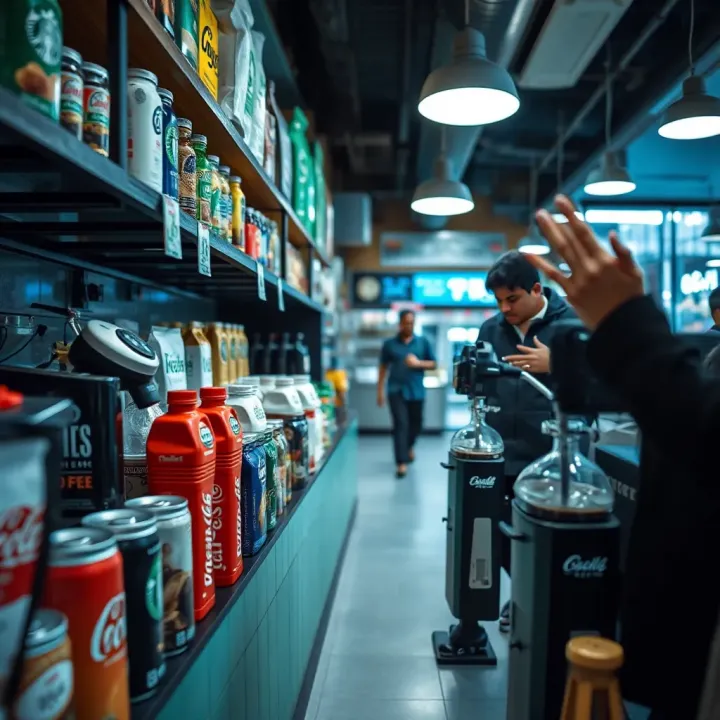
Domestic players hold strong ground in India’s coffee market, offering Starbucks stiff competition. Their deep understanding of local tastes and pricing dynamics makes them relevant contenders. Investors and market watchers should keep an eye on these brands, as they influence pricing strategies and expansion moves across cities.
Market presence and scale
Cafe Coffee Day (CCD) is arguably India’s largest homegrown coffee chain, boasting over 1,700 outlets nationwide. It has grown extensively since its launch in the mid-1990s and maintains a strong foothold in both metros and tier-2 cities. Its wide geographical reach gives CCD leverage in market penetration, making it a serious rival to Starbucks, especially in non-metro areas where Starbucks is relatively limited.
Target audience and product offerings
CCD primarily focuses on young adults, college students, and working professionals seeking affordable café experiences. Its menu covers a wide variety of coffees, snacks, and light meals tailored to Indian palates, such as masala chai and sandwiches alongside cappuccinos and cold brews. By blending local flavours with international favourites, CCD appeals to a broader customer base without pushing premium prices too hard.
Competitive advantages and challenges
CCD’s advantages stem from its strong brand recognition and wide presence, especially in smaller towns where Starbucks only recently started expanding. Pricing competitive products lower than premium global chains allows CCD to capture price-sensitive customers. Yet, it faces challenges in improving store ambience and menu innovation to match evolving consumer expectations. Financial stresses in recent years and competition from newer specialty cafés also test CCD’s market hold.
Brand history and positioning
Barista Lavazza was among the first café chains to popularise western-style coffee in India, launching back in 2000. Positioned as a premium yet accessible brand, Barista carved a niche before Starbucks’ entry. Its Italian heritage, introduced by Lavazza, lends authenticity that resonates with urban coffee drinkers looking for quality but affordable alternatives to Starbucks.
Menu diversity and innovation
Barista Lavazza offers a broad range of coffee beverages, including espresso-based drinks, cold coffees, and limited-edition seasonal specials. The brand experiments with Indian flavours nowadays, like saffron-infused lattes, balancing traditional appeal with innovation. In addition, it serves light snacks and desserts designed to complement its coffee lineup, helping retain customers for longer café visits.
Customer loyalty and expansion efforts
Though it has fewer outlets than CCD, Barista maintains loyal customers in metro cities like Mumbai, Delhi, and Bengaluru, who appreciate its consistent quality. The brand is also cautiously expanding into tier-2 locations, often through smaller format stores. Its focus on customer service and loyalty programmes supports repeat business but scaling up remains a challenge vis-à-vis global chains with deeper pockets.
Domestic brands like CCD and Barista Lavazza shape India’s coffee landscape with competitive pricing, local flavour adaptations, and strategic regional presence, making Starbucks’ growth story here more complex and nuanced.
International coffee chains have carved a significant niche in India's beverage landscape, bringing global café culture to an increasingly sophisticated consumer base. Their presence intensifies competition for Starbucks by blending international experience with local market acuity. These chains benefit from established brand equity and sophisticated operational models but must adapt to India's price-sensitive and flavour-diverse audience to gain traction.
Costa Coffee entered India through a strategic partnership with Coca-Cola India, which helped expand the brand’s footprint rapidly. By leveraging Coca-Cola’s vast distribution network and retail relationships, Costa Coffee opened outlets in high-traffic urban centres such as Mumbai, Delhi, Bengaluru, and Chennai. These locations often situate themselves within malls, airports, and business districts, aiming to capture office-goers and youth alike.
This synergy between an international coffee brand and a local beverage giant gave Costa Coffee a practical edge in navigating logistical challenges and accelerating expansion. Its presence in premium mall chains like Phoenix Marketcity and high-end shopping complexes makes the brand accessible to aspirational consumers who prefer a global café vibe.
Costa Coffee recognised the necessity to tailor its offerings for Indian palates. It introduced products incorporating traditional flavours, such as Masala Chai Latte and cardamom-infused coffees. Additionally, the chain offers sweets like gulab jamun alongside Western pastries to appeal to local customers.
This localisation approach helps Costa Coffee differentiate itself in a crowded market by respecting Indian taste preferences without compromising on the international coffee experience. For investors and analysts, this strategy signals responsiveness to market demands, which is essential for sustained growth.
Gloria Jean's Coffees positions itself as an aspirational yet accessible premium coffee brand, targeting young professionals and college students. Its growth strategy focuses on mid-sized cities and suburban locations, which remain under-served by international coffee chains. The brand leverages a franchise model to expand rapidly, maintaining reasonable pricing to compete with both international and domestic peers.
By blending a relaxed café ambience with affordable offerings, Gloria Jean's has managed to build a loyal customer base that values quality coffee without a steep price tag. This approach supports steady expansion beyond major metropolitan centres.
The brand’s strength lies in its hybrid positioning: not too upscale to deter price-conscious buyers, yet sophisticated enough to attract urban youth seeking a branded experience. Moreover, its franchise strategy enables quick regional penetration.
On the downside, Gloria Jean's faces challenges in brand differentiation, as the Indian market has numerous cafés vying for attention. Compared to Starbucks, it lacks a strong international brand recall, limiting appeal among affluent consumers who prioritise brand prestige. Also, inconsistent quality control across franchises sometimes diminishes customer trust.
For investors evaluating coffee chains in India, Gloria Jean's represents an interesting mix of rapid scalability and price sensitivity, but maintaining consistent quality and brand identity will shape its long-term success.
In sum, international chains like Costa Coffee and Gloria Jean's contribute competitive dynamics that keep Starbucks alert to evolving consumer preferences and pricing pressures. Their strategies underline the importance of local adaptation, expansion beyond metros, and balancing brand positioning in India's varied coffee market.
Emerging and regional coffee brands have carved a distinctive niche in India's coffee market, catering to tastes and preferences that mass chains like Starbucks often overlook. These brands tap into local culture, offering authentic experiences and innovative offerings that challenge established players. For investors and traders, understanding this segment is crucial as it reflects shifting consumer loyalties and growth opportunities, especially outside metropolitan centres.
Third wave coffee roasters emphasize the quality, origin, and brewing techniques of coffee, renewing Indian consumers’ appreciation for the bean's journey from farm to cup. Brands like Blue Tokai and The Indian Bean have focused on single-origin beans and artisanal roasting techniques, delivering premium coffee experiences that appeal to discerning buyers willing to pay a premium. This focus on craftsmanship creates a value proposition distinct from standard café chains and attracts niche consumer segments.
The appeal of specialty cafés to urban millennials is particularly significant. This demographic seeks customised and authentic coffee experiences, often pairing their coffee outings with socialising or remote work. These cafés leverage minimalist, Instagram-friendly aesthetics and interactive brewing methods like siphon or cold brew, attracting millennials who prioritise both taste and ambience. Their willingness to explore novel flavours and pay extra for ethically sourced coffee pushes the market towards quality and transparency, challenging larger chains to up their game.
Local café chains often succeed by adapting coffee and snack menus to suit regional taste preferences. For example, chains in South India may incorporate filter coffee variants and traditional snacks like vada or idli, while in North India, chaats and masala chai may accompany coffee offerings. These adaptations help build strong customer loyalty by embedding the café experience into familiar cultural contexts. Investors should note how these tweaks provide competitive advantages against more standardised chains.
Community-focused service is another hallmark of regional cafés. Many local chains emphasise personalised customer interaction, hosting community events or supporting local artisans, which fosters deep-rooted connections with their patrons. This approach boosts repeat business and word-of-mouth promotion, which is vital in tier-2 and tier-3 cities where community bonds are stronger and marketing budgets may be limited. Such strategies help smaller brands sustain and even expand in the shadow of global giants.
Emerging and regional coffee brands are not just niche players but a core part of India's dynamic coffee ecosystem, offering tailored experiences and cultivating loyal customer bases that even Starbucks finds hard to replicate fully.
Together, these segments represent both a challenge and an opportunity in the evolving Indian coffee market, highlighting the need for diverse strategies aligned with local preferences and emerging consumer trends.
Starbucks faces a unique set of challenges and opportunities as it competes in the Indian coffee market. Understanding these factors is key for traders, investors, and analysts assessing the company’s positioning and potential growth. Indian coffee consumers are sensitive to price, reliable local tastes, and evolving preferences, which makes adaptation essential for Starbucks to maintain its market share.
Pricing strategies play a critical role in Starbucks’ Indian operations. The Indian market often favours value-for-money options over premium pricing, especially outside metropolitan areas. Starbucks has introduced smaller cup sizes and localised pricing to attract consumers who might hesitate at its usual premium rates. For example, offering a smaller espresso-based drink at a competitive price point appeals to a wider audience, including young professionals and students. Traders should note that while maintaining brand prestige, Starbucks must balance affordability to sustain volumes amid strong domestic competitors like Cafe Coffee Day (CCD) and Barista Lavazza.
Menu localisation is another area where Starbucks adapts to Indian tastes. The introduction of beverages such as Masala Chai Tea Latte and localized snacks like Samosas blends global brand appeal with Indian culinary preferences. This menu innovation helps Starbucks connect with consumers resistant to traditional coffee offerings. Moreover, tailoring the flavour profiles and incorporating regional ingredients allow it to differentiate from international players like Costa Coffee and Gloria Jean's Coffees, which may have more generic menus. For investors, this localisation reduces the risk of inventory spoilage and increases customer retention as menu items become relevant to local tastes.
Growth potential in smaller cities offers Starbucks considerable opportunity. While metros like Mumbai, Bengaluru, and Delhi remain saturated markets, tier-2 and tier-3 cities such as Indore, Mysuru, and Surat are witnessing rising disposable incomes and café demand. The growing youth population and increasing exposure to café culture fuel this expansion. For brokers and analysts, this geographic diversification means Starbucks can tap into new revenue streams and reduce over-reliance on competitive, price-sensitive big cities.
Supply chain and operational considerations form the backbone of such expansion. Smaller cities pose logistical challenges, including inconsistent supply of fresh ingredients and trained baristas. Starbucks' ability to develop efficient supply chains using regional warehouses and local procurement will influence its profitability in these markets. Operational costs tend to rise initially due to lower economies of scale. Investors should watch how Starbucks manages these costs while maintaining consistent quality. The company’s investment in training centres and technology for back-end processes is a positive sign that it takes these challenges seriously.
In an increasingly crowded coffee market, Starbucks’ success depends on fine-tuning its pricing, menus, and supply chain to suit diverse Indian consumers beyond the metros.
By focusing on these areas, Starbucks can leverage untapped markets while navigating the stiff competition posed by both domestic and international rivals.
💼 Explore QX Affiliate with this detailed guide for Indian marketers! Learn registration, promos, commissions & payment tips for success 🇮🇳

Discover how India's richest forex traders built their wealth 💰, their strategies 📈, challenges faced ⚠️, and key lessons for aspiring traders 🇮🇳.

📉 Learn how to spot range markets where prices ride between set levels, explore causes, strategies, and tips to trade smartly in India’s trading scene.

Navigate Quotex withdrawals with ease! Discover methods, fees, timelines, and tips tailored for Indian traders 🇮🇳 to avoid common withdrawal issues.
Based on 8 reviews