
Reliance Industries Share Outlook for 2030
🔍 Explore Reliance Industries' growth prospects to 2030, covering market trends, company strategies, and expert predictions for informed investing. 📈
Edited By
Thomas Grant
India's economic growth is often credited to its diverse and dynamic industries. These sectors not only generate a significant portion of the country's gross domestic product (GDP) but also create millions of jobs and drive innovation. For traders and investors, understanding which industries contribute most to economic expansion is key to identifying lucrative opportunities.
Over the last decade, industries such as Information Technology (IT), pharmaceuticals, manufacturing, and agriculture have consistently shaped India's growth trajectory. The IT sector, for instance, has revolutionised export revenues, powering cities like Bengaluru and Hyderabad as global tech hubs. Meanwhile, India's pharmaceutical industry has gained prominence by becoming a major supplier of generic medicines worldwide, meeting both domestic demand and international healthcare needs.

The manufacturing sector, bolstered by government initiatives such as "Make in India," aims to boost domestic production while reducing import dependency. Key manufacturing sub-sectors include automobiles, textiles, and electronics, each offering unique growth prospects and challenges.
Agriculture remains a backbone of the Indian economy, employing nearly half of the workforce. However, modernisation and diversification within this sector, like increased use of technology and exports of agricultural products such as spices and tea, are enhancing productivity and incomes.
For finance professionals, recognising the interplay between these industries and macroeconomic policies—like RBI’s monetary measures or SEBI’s regulations—can inform smarter trading and investment decisions.
Beyond these, emerging sectors like renewable energy and e-commerce are expanding rapidly, signalling shifting trends in India's economic landscape. Overall, actors in the market should focus on industry fundamentals, government policy directions, and global trade patterns to navigate India’s growth sectors effectively.
This article will break down each leading industry’s current status, challenges, and opportunities, providing a practical roadmap for those looking to capitalise on India’s economic momentum.
Industries form the backbone of India's economic development, contributing significantly to GDP, employment, and exports. Economic activities in manufacturing, services, and agriculture-based sectors provide the country with the means to sustain growth and improve livelihoods. Without robust industrial growth, it would be difficult for India to generate enough jobs and foreign exchange, sustain infrastructure projects, and climb higher in the global value chain.
India's GDP composition shows a varied contribution across sectors. As of recent years, the services sector led with around 55-60% of GDP, followed by industry at roughly 25-30%, and agriculture around 15%. While the agriculture share is shrinking, the industry sector remains critical because of its multiplier effects on economy-wide productivity and export potential.
Employment patterns differ notably. Agriculture still provides jobs for nearly half the workforce but accounts for a much smaller GDP portion, pointing to lower labour productivity. Industry offers jobs to nearly a quarter of workers, often with better wages, particularly in manufacturing and construction. Services absorb the rest, spanning IT, finance, and hospitality.
Exports form a vital part of India's industrial strength. Industrial sectors like textiles, pharmaceuticals, automotive, and electronic goods collectively contribute more than half of export earnings. These exports not only add to forex reserves but help Indian companies integrate globally, bringing in technology and investment.
The Make in India initiative launched in 2014 led to a focused push on manufacturing growth. It targets sectors like electronics, automobiles, defence equipment, and pharmaceuticals, aiming to raise their GDP share and attract both domestic and foreign investment. This policy has streamlined approvals and incentivised local manufacturing, which in cities like Pune and Chennai have leveraged it to expand industries.
Infrastructure development underpins industrial growth. The government’s focus on building industrial corridors, improving highways, port capacity, and power supply directly affects operational costs and competitiveness of industries. For example, the Delhi-Mumbai Industrial Corridor has catalysed investments worth several thousand crore rupees, connecting manufacturing hubs with logistics centres.
Ease of Doing Business reforms have also helped create a friendlier environment for industries. Simplifying GST compliance, digitising registration processes, and reducing approvals time have cut bureaucratic delays. This reduces costs and uncertainty, encouraging entrepreneurs to start and expand businesses easily especially in tier-2 and tier-3 cities.
India's industrial growth depends not just on the sectors themselves but on complementary government policies that improve infrastructure, enhance ease of business, and encourage investment. These together shape the path for sustained economic progress.
By tracking these areas, traders and analysts can identify emerging sectors and investment opportunities aligned with India's growth story.
Manufacturing stands as a backbone of India's economic fabric, accounting for a significant chunk of the country’s GDP and employment. It plays a strategic role in creating jobs, driving export earnings, and fostering technological progress. A closer look at key sectors like automobile, textiles, and pharmaceuticals reveals how they shape India's industrial landscape and economic momentum.
The automobile sector is among India's largest manufacturing segments, contributing nearly 7% to the GDP and employing over 35 million people directly or indirectly. Major players include Tata Motors, Mahindra & Mahindra, Maruti Suzuki, and Hyundai. The sector caters to diverse vehicle segments such as passenger cars, two-wheelers, commercial vehicles, and electric vehicles, meeting rising domestic demand and middle-class aspirations. It remains a key barometer for industrial growth given its extensive supplier networks and manufacturing ecosystem.
Exports from the automobile sector have grown steadily, supported by competitive production costs and an expanding network of global trade agreements. India exports vehicles and auto components to regions including Europe, Latin America, and Africa. For instance, Maruti Suzuki’s export volumes crossed 1 lakh units in recent years. Exporting helps manufacturers achieve scale economies, invest more in innovation, and reduce dependency on domestic sales alone, cushioning against economic cycles.
Technology upgrades have become essential for competitiveness in this sector. Adoption of electric vehicle (EV) technology, connected vehicle systems, and advanced manufacturing techniques like Industry 4.0 are on the rise. Government incentives under the Faster Adoption and Manufacturing of Hybrid and Electric Vehicles scheme (FAME) are actively encouraging electric mobility. Indian OEMs (original equipment manufacturers) now invest more than before in R&D, focusing on battery tech, fuel efficiency, and sustainable manufacturing processes.
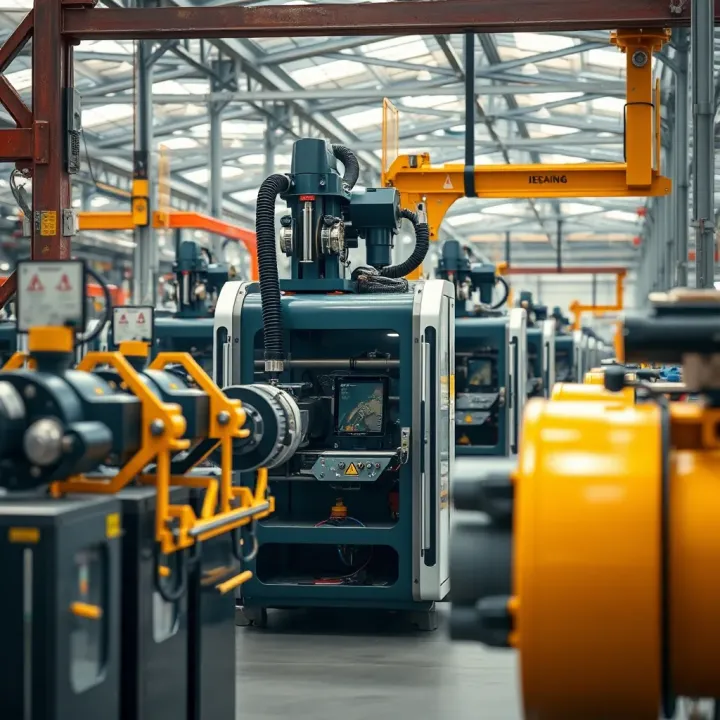
The textile and apparel industry is a traditional yet vital employer, providing jobs to over 45 million people across both organised and unorganised segments. It is a key livelihood source especially in rural regions. This sector supports a wide range of skill levels, from handloom weaving to garment manufacturing, making it inclusive and socially important.
Geographically, hubs like Tiruppur, Surat, Ludhiana, and Panipat dominate textile and apparel production, thanks to established infrastructure and skilled workforces. These centres host clusters specialising in cotton textiles, synthetic fibres, woollen products, and ready-made garments, creating export and domestic market linkages.
However, the industry faces challenges including rising input costs, competition from low-cost countries, and workforce skill shortages. Yet, opportunities also abound through increased fashion exports, technical textiles, and government schemes like the Production Linked Incentive (PLI) for textiles. The sector’s ability to modernise manufacturing and adopt sustainability practices could unlock fresh growth avenues.
India’s pharma sector is globally significant, mainly due to its strength in generic drug manufacturing. The country supplies over 50% of the global demand for various generic medicines and vaccines. This segment supports affordable healthcare domestically and globally, especially for chronic and infectious diseases.
Pharma exports amounting to around ₹2 lakh crore annually position India as a major supplier to markets such as the US, Europe, and Africa. Companies like Sun Pharma, Dr Reddy’s Laboratories, and Cipla have built strong presences worldwide. Export growth helps improve forex revenues and encourages compliance with global quality standards.
On research and development (R&D), Indian pharma firms have increased investments, aiming to develop new drug formulations, biosimilars, and innovative drug delivery systems. Collaboration with academic institutions and gradual steps into biopharmaceuticals signal a shift from pure generics towards advanced healthcare solutions. Government initiatives like the Promotion of Bulk Drug Parks enhance local active pharmaceutical ingredient (API) production to reduce import dependence.
Manufacturing industries in India are not only economic pillars but also critical for innovation, employment, and exports, creating a ripple effect on other sectors and the overall economy.
In short, the leadership of manufacturing sectors in GDP contribution, export capability, and innovation thrust keeps India's economic engine running strong. Currency earnings, job creation, and technological progress all weave together in these industries, making them indispensable to the country's growth story.
Emerging sectors are becoming major drivers of India’s economic expansion, offering fresh avenues for employment, innovation, and exports. Their rapid development reflects shifts in technology, consumer behaviour, and government priorities. They stand out not only for their growth but also for shaping the future contours of the economy beyond traditional industries.
India’s IT and software services sector remains a dominant export earner, with companies like TCS, Infosys, and Wipro catering to global clients across banking, healthcare, and retail. IT exports contribute significantly to India’s foreign exchange earnings, reflecting the sector’s global reach. These firms continuously adapt to changing client needs, such as cloud computing and artificial intelligence, which bolster their competitive edge.
The vibrant start-up ecosystem adds a dynamic layer to IT growth. Cities like Bengaluru, Hyderabad, and Pune have become hubs where young entrepreneurs launch ventures in fintech, edtech, and SaaS (software as a service). This start-up culture fuels innovation and attracts funding from both domestic and international investors, enhancing India’s position on the global technology map.
To support this ecosystem, government initiatives like the Software Technology Parks of India (STPI) and Digital India provide infrastructure and regulatory support. Policies encouraging R&D and patent filing foster a conducive environment for new solutions, helping Indian companies move up the value chain.
India is rapidly expanding its solar and wind power capacity to meet rising energy demands and climate goals. States like Rajasthan and Tamil Nadu lead in large-scale solar parks and wind farms, contributing substantial megawatts annually. This capacity is vital for reducing dependence on fossil fuels and improving energy security.
The government has set ambitious targets under the National Solar Mission, aiming for 175 gigawatts by 2022 with a focus on renewable integration. Schemes such as the Production Linked Incentive (PLI) promote indigenous manufacturing of solar panels and batteries.
Investment trends show increased participation from private players alongside public sector units, supporting infrastructure development like grid upgrades and storage solutions. Financing models combining bank loans, green bonds, and international funding are driving this upward trajectory.
E-commerce growth spans urban centres and increasingly rural areas, driven by rising internet penetration and smartphone use. Platforms such as Flipkart, Amazon India, and Reliance Digital serve a wider base, leveraging local languages and vernacular content to tap tier-2 and tier-3 cities.
Digital payments via UPI and wallets have become essential for smooth transactions, lowering barriers for consumers and sellers alike. Meanwhile, efficient logistics networks and last-mile delivery innovations ensure timely product reach across geographies.
Small businesses face challenges such as integration costs and meeting digital compliance standards. Yet, government schemes and platform partnerships are slowly enabling them to join the digital retail wave, thereby expanding their reach beyond conventional marketplaces.
Emerging sectors signify India's adaptability and readiness to embrace new economic realities, offering investors and traders distinct opportunities aligned with future growth prospects.
Natural resources and agriculture-based industries anchor India's economic framework, especially since a large part of the population depends directly or indirectly on these sectors. Their link to rural employment and food security makes them indispensable for sustainable development. Besides contributing to the GDP, these industries supply raw materials to various manufacturing sectors, creating an interconnected economic ecosystem.
India boasts diverse crop production, ranging from staples like rice and wheat to pulses, spices, and oilseeds. However, the true value lies in food processing, which allows for preservation, value addition, and better outreach to distant markets. Examples like Amul’s dairy processing and Parle Agro’s fruit processing units demonstrate how crop output translates into economic gain through packaging, branding, and longer shelf life.
This value addition doesn't just increase income for farmers but also sharpens India's global competitiveness in food exports. Processed foods typically fetch better prices, encourage consumption year-round, and reduce wastage—a major concern given India's post-harvest losses.
Employment in agriculture and food processing remains foundational for rural India. Over 50% of India’s workforce is engaged in agriculture, partly because this sector offers extensive daily wage and seasonal job opportunities following the harvest cycle. Food processing units located close to farming regions reduce migration pressures by creating local jobs, often involving women and smallholder farmers.
Government schemes such as the Pradhan Mantri Kisan Sampada Yojana (PMKSY) foster investment in infrastructure like cold chains, warehouses, and modern processing plants. These initiatives help tap export potential and strengthen the supply chain from farm to fork, benefiting stakeholders across the spectrum.
With rising international demand for quality agro-products, India's export basket includes basmati rice, spices, tea, and processed fruits. Encouraging exports through favourable policies helps farmers gain premium returns and improves the trade balance.
India's mineral portfolio is rich and varied. Important minerals include coal (Jharkhand, Odisha), iron ore (Karnataka, Goa), bauxite (Odisha, Gujarat), and mica (Jharkhand). These resources supply essential inputs for steel production, cement manufacturing, aluminium industries, and chemical sectors.
Mining activities are often located in ecologically sensitive zones, leading to environmental concerns over deforestation, soil erosion, and water contamination. Regulatory oversight thus plays a vital role to ensure sustainable extraction. The Mines and Minerals (Development and Regulation) Act has provisions to balance resource optimisation with rehabilitation and environmental protection.
The minerals extracted fuel India's industrial growth by feeding core sectors such as construction, infrastructure, and manufacturing. For instance, iron ore supports the steel industry crucial for real estate and automobile production. Coal remains a principal energy source, powering thermal power plants and industries.
The mining sector, while contributing significantly to industrial supply chains, demands constant attention to maintain ecological balance and community welfare.
Moreover, integration with supply chains enhances efficiency. Locating processing plants near mines reduces transportation costs and turnaround times. This linkage increases the competitiveness of Indian products both within domestic markets and in exports.
In summary, natural resources and agriculture-based industries are the backbone for rural livelihoods and industrial inputs. Strategic focus on value addition, sustainable practices, and export promotion in these sectors can drive India’s economic growth further.
Service industries play a vital role in driving India’s economic growth, offering high employment potential and contributing significantly to GDP. These sectors often serve as the backbone for other industries by providing essential support services, financial products, and consumer engagement opportunities. For traders and analysts, keeping an eye on service industries enables a better grasp of economic health and investment trends.
Growth of digital banking: Digital banking has witnessed a rapid rise in India, especially with the widespread penetration of smartphones and internet. Platforms like PhonePe, Google Pay, and Paytm now handle billions of transactions monthly, reducing dependence on cash. This shift improves transaction speed, lowers costs, and enhances customer convenience. For investors, digital banking growth signals opportunities in fintech companies, payment gateways, and related infrastructure.
Role in supporting businesses and consumers: The banking sector underpins business growth through credit availability, working capital loans, and trade financing. For example, small and medium enterprises (SMEs) often rely on banks for manageable credit lines to expand operations. On the consumer side, banks offer home loans, personal loans, and credit cards, facilitating spending and economic activity. Such support creates a ripple effect, stimulating production, consumption, and employment.
Financial inclusion efforts: Promoting financial inclusion remains central to India’s economic agenda. Schemes like the Pradhan Mantri Jan Dhan Yojana have brought millions into the formal banking system. Expanding access to savings accounts, insurance, and pension products helps stabilise incomes in rural and semi-urban areas. This inclusion strengthens the overall economy by boosting savings rates and credit access, benefiting investors focusing on emerging markets and rural finance.
Economic contributions and employment: Tourism contributes roughly 6-7% to India’s GDP and directly employs over 40 million people, spanning hotels, travel agencies, and local guides. The sector supports both formal and informal employment, which is crucial in many tier-2 and tier-3 cities. Growth in domestic tourism is particularly significant, as Indians increasingly explore regional destinations.
Domestic vs international tourism trends: While international tourist arrivals have fluctuated due to global trends, domestic tourism remains a steady growth trigger. Festivals, heritage sites, and natural attractions draw millions annually, supported by improved connectivity and government promotion. For businesses, this trend highlights the rising importance of budget hotels, local transport services, and digital booking platforms focused on domestic travellers.
Challenges post-pandemic: The pandemic hit tourism hard with restrictions on movement and safety concerns. Recovery is underway but uneven, with international arrivals slower to bounce back. Challenges include addressing health safety protocols, rebuilding traveller confidence, and adapting to changing consumer preferences like flexible bookings and contactless services. Investors and analysts should monitor policy responses and innovations shaping the sector’s revival.
Service industries such as banking and tourism not only contribute directly to growth but also stimulate wider economic activity through job creation, consumption, and infrastructure demand.
By understanding the dynamics within these key service sectors, investors and finance professionals can better assess the evolving opportunities and risks shaping India's economic future.
🔍 Explore Reliance Industries' growth prospects to 2030, covering market trends, company strategies, and expert predictions for informed investing. 📈

Explore Reliance's future growth, tech advances, and strategies 🚀. Learn how market trends and challenges could shape India's economic future 🇮🇳.
📈 Explore Reliance Industries' share price targets and growth plans till 2030, with expert forecasts, market insights, and India’s economic link.

Discover profiles of top Indian traders 📈, their unique styles, traits for success, and how beginner traders can learn. Insights on trading platforms & regulations, too!
Based on 11 reviews