
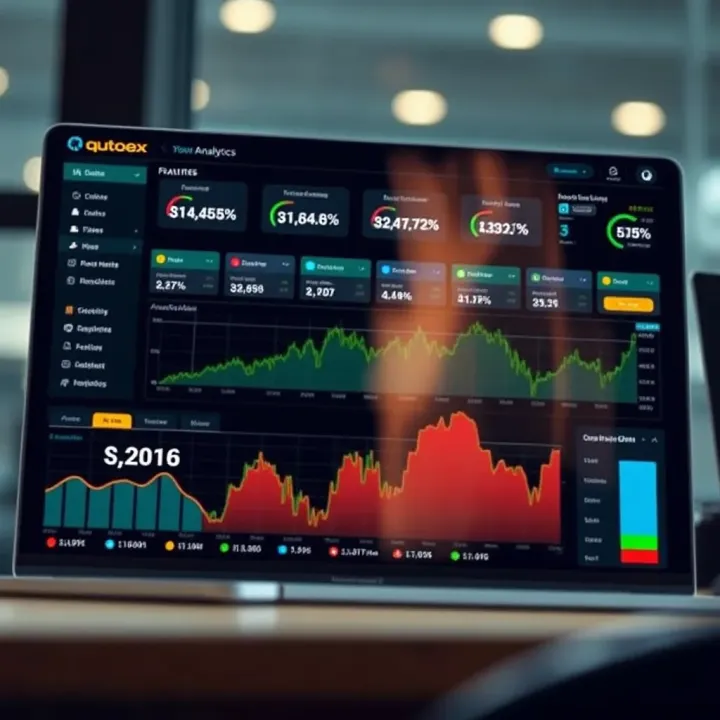
Understanding and Using Qutoex: A Practical Guide
Explore Qutoex thoroughly! Learn how it works, its key features, tips, and safety aspects for beginners and experts alike. 📊💡
Edited By
George Foster
BeMine mining offers a fresh take on cryptocurrency mining by connecting individuals to large mining operations through cloud technology. Instead of setting up costly equipment at home, you can now buy mining capacity remotely from established facilities. This helps lower the entry barrier for investors eager to benefit from crypto mining without managing hardware themselves.
At its core, BeMine operates as a cloud mining platform. Users purchase or rent hashing power—the computational ability needed to mine coins—directly from data centres housing specialised machines. These data centres generally run at scale, offering better efficiencies, stable power supply, and professional management.

Compared with traditional mining, BeMine allows users to avoid initial capital spent on buying rigs, internet costs, and dealing with technical failures. For example, instead of spending ₹5 lakh on an ASIC miner plus cooling setup and electricity, a user can invest ₹1 lakh to acquire hashing power proportional to that amount from a BeMine facility.
However, this convenience comes with fees and profit sharing. BeMine platforms typically deduct maintenance and operational costs, which impact net returns. Plus, users must be mindful of market volatility; crypto prices directly influence profitability.
Cloud mining platforms like BeMine offer a way to join crypto mining without physical hardware but require careful evaluation of costs, contract terms, and expected returns.
For traders and investors, understanding these financial details is essential. Contracts often have specific durations and payout schedules. Technical transparency—such as uptime guarantees and reported hash rates—also influences trustworthiness.
To sum up, BeMine mining blends modern cloud infrastructure with cryptocurrency operations, making mining accessible but also inviting different risk profiles than owning equipment yourself. Considering these trade-offs thoroughly helps you decide if this approach fits your investment strategy.
Understanding how BeMine mining operates is essential for anyone aiming to engage with cryptocurrency mining without handling the technical complexities of traditional setups. This approach opens up mining to those who lack mining rigs or the expertise to run them, by allowing remote access to powerful, professionally managed equipment. For example, an investor in Mumbai can lease cloud mining power based in countries with cheaper electricity, receiving mining rewards directly, minus operational hassles.
Remote access to mining equipment means users do not own or maintain the physical mining hardware. Instead, they rent computing power hosted in specialised data centres located in regions with favourable energy costs or climate conditions. This setup lets miners participate without concerns about equipment noise, electricity bills, or maintenance challenges. Practically, this removes barriers like requiring a detailed understanding of hardware setups or technical troubleshooting.
Roles of mining providers and users divide clearly: providers manage and maintain mining hardware, ensuring optimal operations, handling power supply and cooling, and handling mechanical risks. Users, mainly investors or crypto enthusiasts, buy contracts that grant them a portion of the mining output proportional to their leased capacity. This model shifts responsibility for technical upkeep to the provider, while users focus on investment returns.
Types of mining contracts offered by BeMine cater to different investment levels and timeframes. Users can select from short-term tryouts to long-term contracts that span months or years. For instance, a trader might opt for a three-month contract focusing on Bitcoin mining using SHA-256 algorithm rigs, while an investor with a longer horizon might choose contracts tied to altcoins with different algorithms. This flexibility lets users match contracts with their financial goals and risk tolerance.
Data centre locations and infrastructure are central to BeMine’s operational strength. Their mining facilities are often situated in countries like Iceland and Canada, where the climate assists natural cooling and electricity costs are comparatively low. Such infrastructure ensures energy-efficient, continuous mining operations, which in turn can improve profitability for users. Plus, these centres employ advanced security and redundancy systems to mitigate risks from outages or cyberattacks.
Using cloud mining platforms like BeMine shifts the heavy lifting of crypto mining away from individual users to professional setups, making it more accessible and manageable, especially for those keen on the crypto space but limited by capital or technical knowledge.
In brief, BeMine’s model lets you tap into large-scale mining power remotely, with options tailored to diverse investment preferences, backed by robust infrastructure in energy-efficient locations.
Understanding the pros and cons of BeMine mining compared to traditional cryptocurrency mining helps traders and investors decide whether this approach suits their investment strategies. Cloud-based mining like BeMine lowers many barriers but comes with its own challenges. Here, we focus on practical benefits and key considerations that impact profitability and operational convenience.
One major advantage of BeMine mining is the significant cut in initial costs. Instead of spending lakhs on buying expensive mining rigs, setting up cooling systems and power arrangements, users simply sign contracts to rent mining power remotely. For instance, a beginner wanting to mine Bitcoin doesn’t need to invest ₹2 lakh in equipment. They can pay a fraction of that to access established mining farms, avoiding costly hardware purchases entirely.
This model is especially attractive for traders who want exposure to crypto mining without locking capital in physical assets that may become obsolete quickly. It shifts fixed costs to more manageable operational fees and makes mining accessible from anywhere without logistical hassles.
Traditional mining demands knowledge about hardware maintenance, software configuration, and sometimes troubleshooting power or internet issues onsite. BeMine mining platforms take care of all these technical details at their data centres.
As a result, even investors with limited technical skills can participate effectively. For example, someone managing a full-time job can subscribe to BeMine plans and start earning without needing to handle firmware updates, cooling management, or hardware repairs. This hands-off approach lets traders focus on monitoring profits instead of mining operations.
BeMine often leverages large-scale data centres optimised for energy consumption, sometimes located in regions with cheaper renewable energy. This contrasts with home or small-scale setups that usually run on standard grid power, which tend to be less efficient.
Such efficiency also means lower environmental impact per unit of mining power. For instance, farms in northern India or other cool climates can reduce cooling costs dramatically, increasing overall profitability. Traders concerned about sustainability find BeMine’s energy model more attractive compared to running their own rigs.
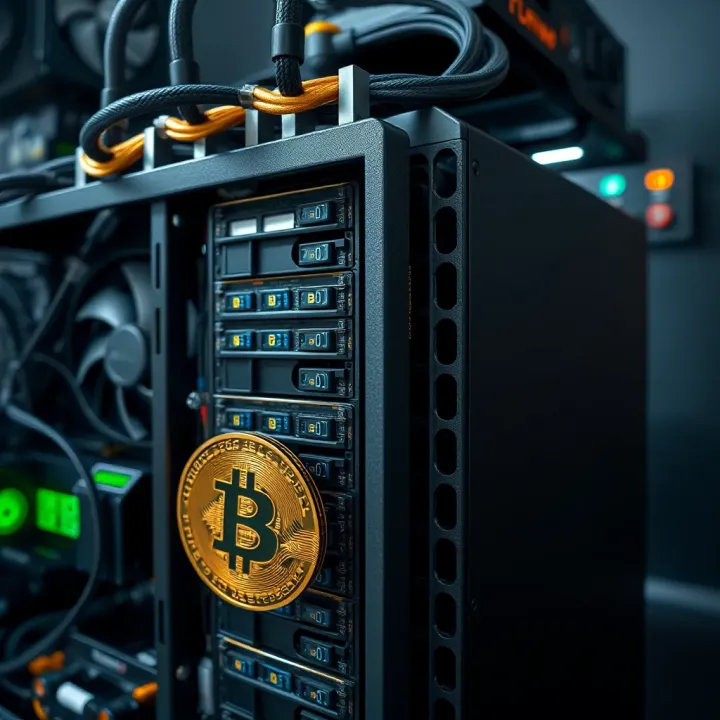
One key downside is relying heavily on BeMine providers to maintain mining hardware, network uptime, and payout accuracy. If a provider faces technical glitches or mismanages operations, your earnings could suffer.
Unlike owning physical rigs where you have direct control, this dependency can be risky. For example, downtime due to server failures or deliberate shutdowns might result in lost mining days. Investors should research providers’ track records and customer reviews closely before committing.
Since you’re essentially renting mining capacity, BeMine charges maintenance fees and takes a cut of the mined cryptocurrency. These costs reduce overall returns and need factoring into any profit calculations.
Some plans impose daily maintenance charges regardless of mining rewards, which can eat into profits, especially when cryptocurrency prices are falling. Understanding the fee structure — including electricity and hardware servicing costs passed on to users — helps avoid surprises.
Finally, returns on BeMine mining can be lower than traditional mining, primarily due to operational fees and competition. While you avoid upfront costs and technical hassles, the share of mined coins left after fees is slimmer.
Plus, fluctuating crypto prices and rising network difficulty affect profitability. For instance, if Bitcoin difficulty increases sharply, the mining output per unit subscribed declines, with no way to upgrade your rented hardware. Traditional miners sometimes swap rigs for more powerful ones but cloud mining users remain tied to their contract terms.
It’s wise to balance convenience and costs carefully; BeMine mining offers smooth entry but might limit upside compared to hands-on approaches.
Weighing these factors will help you choose a mining option that matches your financial goals and risk appetite more realistically.
Understanding the technical foundations of BeMine mining helps traders and investors grasp how mining operations function within these cloud platforms. This is particularly important because mining success depends heavily on hardware efficiency, energy consumption, and compatibility with cryptocurrency algorithms. Knowing these details enables better decision-making on contract selection and risk assessment.
BeMine commonly utilises Application-Specific Integrated Circuit (ASIC) miners for cryptocurrencies like Bitcoin due to their high hash rate and energy efficiency. For instance, Bitmain’s Antminer S19 Pro is a popular device in BeMine's farms, offering around 110 terahashes per second (TH/s). These rigs are designed specifically for the SHA-256 algorithm, making them far more efficient than general-purpose GPUs.
Besides ASICs, some operations involve GPU rigs for mining altcoins like Ethereum, though this is less common within BeMine’s primary offerings. The rig type affects contract pricing and expected returns, so investors should confirm what hardware underpins their chosen plan.
Energy cost is a significant factor in mining profitability. BeMine facilities mostly operate in locations with access to affordable, renewable energy sources, such as hydroelectric power in parts of Siberia. This reduces operational expenses and carbon footprint, aligning with the growing preference for sustainable crypto mining.
Efficient cooling systems also protect rigs from overheating. BeMine data centres employ advanced methods like immersion cooling or cold air circulation to maintain optimal temperatures. Such technologies decrease downtime and prolong hardware lifespan, translating into steadier mining outputs for investors.
BeMine primarily focuses on Bitcoin mining, which uses the SHA-256 (Secure Hash Algorithm 256-bit) cryptographic hash function. This algorithm requires substantial computational power, which justifies the use of high-performance ASIC rigs. Successful SHA-256 calculations validate blocks and earn mining rewards, so the rig’s hash rate directly impacts profitability.
For investors, understanding SHA-256 is vital because fluctuations in Bitcoin’s network difficulty influence mining yield. Higher difficulty demands more processing power, and contracts based on outdated hardware may struggle to stay profitable without hardware upgrades.
While Bitcoin dominates, BeMine also supports mining of select altcoins with different algorithms. For example, Litecoin uses Scrypt, and BeMine’s infrastructure sometimes includes rigs compatible with these algorithms, expanding opportunities for diversification.
Some newer altcoins use proof-of-stake (PoS) or hybrid consensus mechanisms, which BeMine’s traditional cloud mining setups may not support directly. Traders should check the coin-specific compatibility before investing, as this affects contract choices and potential returns.
Efficient hardware and algorithm compatibility define the backbone of successful cloud mining with BeMine, influencing cost-effectiveness and profitability throughout the mining contract lifecycle.
Understanding financial aspects is essential before stepping into BeMine mining. Investors must assess costs, expected returns, and profit timelines to make informed decisions. This section breaks down the cost models, fees, and factors impacting profitability, helping you gauge whether BeMine mining fits your investment goals.
Contract durations and costs matter as they determine how long you engage with BeMine’s mining services and what you pay upfront or periodically. Typically, contracts range from several months to a year or more. For example, a six-month contract might cost you around ₹1 lakh for mining capacity, while a 12-month plan may provide better per-month rates but require longer commitment. Shorter contracts offer flexibility but usually come at a premium.
These durations affect cash flow planning, especially considering fluctuating cryptocurrency prices. Longer contracts lock you into specific rates but might pay off if mining profits improve. Always balance your investment horizon with contract length and costs.
Fees and maintenance charges are ongoing costs to keep mining operations running smoothly. BeMine often deducts a maintenance fee, typically 10-15% of mining output or a fixed monthly amount, covering electricity, cooling, and hardware wear. For example, if your mining pool earns ₹10,000 worth of crypto in a month, the maintenance could be ₹1,000 to ₹1,500.
Such fees reduce your net earnings, so factor them into profitability calculations. Transparent fee structures signal credible providers; unclear or excessive maintenance charges can erode returns or indicate hidden costs.
Cryptocurrency price volatility greatly influences mining profits. Since payouts depend on coin market values, a sudden dip in Bitcoin or Ethereum prices can delay your break-even point or cause losses. For instance, if Bitcoin’s price falls from ₹30 lakh to ₹25 lakh within your contract, expected earnings drop proportionally.
Therefore, price trends should guide your investment amounts and cash flow expectations. Avoid investing all your capital at once; scaling investments with market conditions hedges risks.
Mining difficulty affects how easily you can earn rewards. As more miners join the network or technology improves, difficulty rises, reducing your share of the block rewards. If difficulty doubles, your mined coins could halve unless your capacity increases.
BeMine’s contracts usually specify the expected mining output based on current difficulty. Still, rising difficulty impacts returns, so continuous monitoring is necessary. For example, increasing difficulty may push your break-even point several months ahead, affecting overall profitability.
Careful evaluation of contract costs, fees, and market dynamics helps set realistic profit expectations in BeMine mining. Always update your calculations with current market data to manage your investment effectively.
By understanding these financial nuances, traders and investors can better decide if BeMine mining aligns with their goals and risk tolerance.
Before diving into BeMine mining, understanding how to start and manage risks is critical to protect your investment and enhance profitability. This section covers practical steps to select the right plan, monitor your earnings, secure your account, and handle market uncertainties effectively.
Choosing a BeMine mining plan starts with evaluating the mining capacity offered and the contract details. Mining capacity, usually expressed in hash rate (TH/s or GH/s), determines the potential mining power you lease. A higher hash rate generally promises more returns but comes at a greater cost. You should realistically assess how much capacity fits your budget and investment goals. For example, a ₹50,000 investment for 5 TH/s over 12 months might suit beginners better than committing ₹5 lakh for 50 TH/s.
Contract terms like duration and fee structure also directly impact profitability. Shorter contracts provide flexibility but might cost more, while longer ones lock in rates yet carry risk if crypto prices fall. Carefully reading terms about maintenance fees, payout timing, and refund policies can help avoid surprises.
Service reliability is key in cloud mining, where you depend entirely on the provider’s infrastructure. Research the company’s background, user reviews, and transparency regarding data centre locations and hardware. Look for providers with verifiable mining operations and clear communication channels.
Be cautious if the provider hides hardware details or offers overly generous returns that sound too good to be true. Checking regulatory compliance, such as valid registrations with Indian authorities or internationally recognised certifications, adds an extra layer of assurance.
Consistently monitoring your mining account helps track performance and spot issues early. Many platforms provide dashboards showing real-time mining output, pending earnings, and total payouts. Set reminders to review these at least weekly.
Also, understand payout mechanisms. Some providers pay out automatically once earnings cross a threshold, while others require manual withdrawal requests. Check which cryptocurrencies are supported for payouts and any withdrawal fees involved.
Your account holds direct access to earnings, so security matters. Use strong, unique passwords and enable two-factor authentication (2FA) wherever possible. Avoid logging in from public or shared computers.
Beware phishing attempts; always verify website URLs and avoid clicking suspicious links. Regularly update your contact details and change passwords periodically to reduce the risk of unauthorised access.
Cryptocurrency markets are volatile, and mining outcomes can be unpredictable. To minimise risks, avoid putting all funds into one mining contract or one type of cryptocurrency.
Spreading investments across different platforms, contract lengths, and coins helps cushion against sharp market swings or operational failures in one project. For instance, balancing BeMine mining in Bitcoin and Ethereum alongside direct crypto holdings can reduce overall risk.
The regulatory landscape for cryptocurrencies and mining varies by country and often changes fast. Keeping updated on public notices from bodies like the Reserve Bank of India (RBI), Securities and Exchange Board of India (SEBI), and Ministry of Finance is crucial.
Changes in taxation, restrictions on power usage, or new compliance rules can affect mining profitability or legality. Subscribing to trusted crypto news sources and official government announcements will help you anticipate and react promptly to such developments.
Starting with informed choices and managing risks carefully ensures your venture into BeMine mining is sustainable and less prone to avoidable setbacks.
Explore Qutoex thoroughly! Learn how it works, its key features, tips, and safety aspects for beginners and experts alike. 📊💡
Explore Qutex Trade in detail 📊 Understand its key features, trading methods, benefits, and risks 🔍 Perfect for traders in India aiming to get informed.

📉 Learn how to spot range markets where prices ride between set levels, explore causes, strategies, and tips to trade smartly in India’s trading scene.

Explore Quptex 📊: its features, benefits, and diverse applications. Get insights into technical aspects and usability to understand its practical tech value.
Based on 10 reviews