

Understanding Real Cash Withdrawal: Practical Tips
💵 Learn all about real cash withdrawal: safe methods, fees, limits, and tips to manage your money confidently in daily transactions in India.
Edited By
Thomas White
Depositing and withdrawing money from your bank account are the two most basic yet essential banking operations. Getting a clear idea of how these processes work can save you time and hassle while ensuring your money remains safe.
In India, deposits and withdrawals can happen through several channels, not just the traditional brick-and-mortar bank branch. You have options like ATMs, mobile banking apps, internet banking, and even the Unified Payments Interface (UPI) system, which has made digital payments remarkably easy.
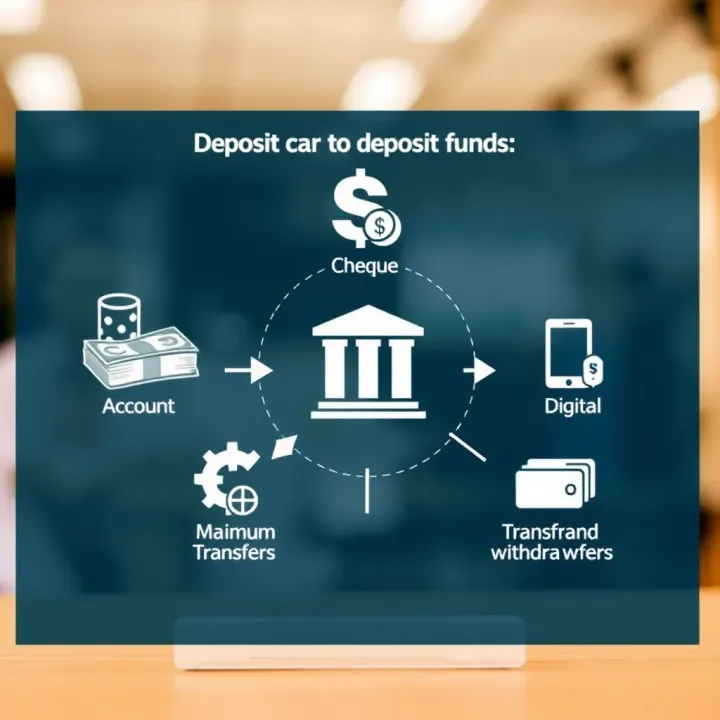
Deposits generally include cash deposits, cheque deposits, and electronic funds transfers. For example, when you visit your local bank branch, you can hand over cash or a cheque for deposit. The teller records this and credits your account balance accordingly. However, depositing a cheque takes a couple of days to reflect because it must clear through the banking system.
On the other hand, electronic transfers such as NEFT (National Electronic Funds Transfer) or RTGS (Real Time Gross Settlement) allow immediate crediting once processed, which works well for large transactions or urgent fund transfers.
Withdrawals also vary. ATMs are the fastest way to withdraw cash up to your daily limit. Alternatively, you can withdraw by visiting the branch counter using a withdrawal slip. Digital wallets linked to your bank account enable cashless transactions or even withdrawal requests through app-supported cardless ATM withdrawals.
Remember, banks follow regulatory rules set by the Reserve Bank of India (RBI) regarding daily limits, KYC requirements, and anti-money laundering checks. These limits might differ depending on your account type and the mode of transaction.
For managing large sums, planning withdrawals in advance is advisable to avoid unnecessary trips or transaction blocks. Also, keep a close watch on your transaction history through your bank’s online portal or mobile app to spot any unusual activity early.
Use digital channels like net banking or UPI for quick deposits and withdrawals to avoid queues.
Always keep your passbook or transaction alerts updated.
Safeguard your PINs and OTPs to prevent fraud.
When depositing cheques, confirm the cut-off time to know when funds will be available.
Understanding these details helps you effectively manage your bank accounts, especially if you are an investor or finance professional who needs to move funds promptly and securely.
Understanding the basics of deposits is essential for anyone managing finances through bank accounts. Deposits form the backbone of banking operations and impact everything from liquidity to interest earnings. By grasping how deposits work, traders, investors, and finance professionals can better plan cash flows and optimise returns.
A deposit is simply money placed into a bank account by an individual or entity. It increases the balance, making funds available for withdrawal or investment. This process is crucial for maintaining liquidity and capitalising on interest benefits. For example, depositing profits from a trade into a savings account ensures the money is safe and can earn interest.
Savings account deposits are the most common form, designed for individuals to park funds safely while earning moderate interest. These accounts are highly liquid, allowing easy withdrawals and transfers. For instance, many investors use savings accounts to hold emergency funds or short-term trading profits due to easy access and government-backed security.
Current accounts cater primarily to businesses and traders needing frequent transactions without interest benefits. They support high-volume deposits and withdrawals, often with overdraft facilities. Brokers or analysts handling large cash turnovers might maintain current accounts to manage payments efficiently without restrictions typical of savings accounts.
Fixed deposits (FDs) allow locking in funds for a specific period at higher interest rates than savings accounts. Though less flexible, they offer predictable returns and capital safety. Investors often use FDs to park surplus capital not needed immediately, balancing liquidity and income. For example, placing ₹10 lakh in a one-year FD at 6.5% interest ensures steady growth without market risk.
Depositing cash at bank branches remains a straightforward way to add funds instantly. While many prefer digital methods, cash deposits are still relevant for those receiving payments physically or operating in regions with limited digital access. For example, a stockbroker receiving cheques or cash from clients may deposit these directly to keep accounts updated.
Electronic Fund Transfers (EFTs) like NEFT, RTGS, and IMPS have transformed deposits by enabling quick, paperless money movement. They suit scenarios where time is crucial, such as settling trades or transferring funds between accounts across cities. EFTs usually involve low or no charges and offer traceable, secure transactions.
Mobile banking apps allow deposits through instant fund transfers using UPI or linked bank accounts. This convenience suits today's fast-paced trading where professionals need to react quickly without visiting branches. For example, many investors use PhonePe or Google Pay to transfer funds instantly to their trading accounts.
Though declining, cheque deposits remain common for business payments and large transactions. Banks credit the amount after clearing, which can take a couple of days. Traders receiving payments via cheque must plan for this delay when managing liquidity. Depositing cheques via drop boxes or at counters helps maintain transactional records.
Knowing these deposit basics equips you to use your bank accounts efficiently, ensuring your funds are accessible, secure, and potentially growing with minimum hassle.
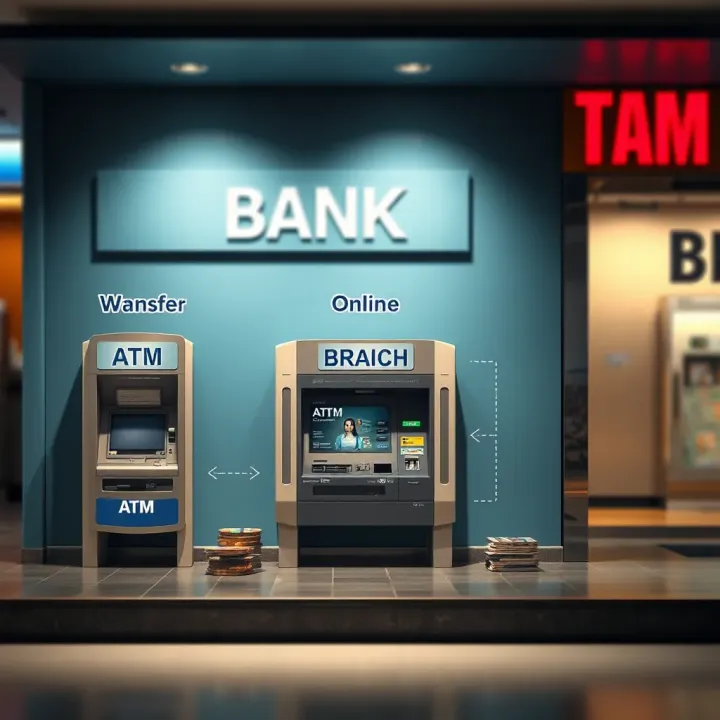
Withdrawals form an essential part of banking operations, allowing account holders to access their funds as needed. Knowing the withdrawal process helps you plan your liquidity effectively, whether for daily expenses, business payments, or investments. A clear grasp of withdrawal methods and limits ensures smooth transactions and avoids unexpected charges.
Withdrawal means taking out money from your bank account. The purpose varies—from paying bills and shopping to transferring money or simply using cash for daily needs. For traders or investors, timely withdrawals are crucial for meeting market commitments or realising profits.
Bank branches offer a traditional way to withdraw cash directly by visiting the teller. This method suits those handling large sums or facing technical issues with electronic options. For example, a senior investor may prefer branch withdrawal when dealing with sizeable fixed deposit maturity funds to ensure a secure transfer.
Automated Teller Machines (ATMs) provide quick cash access anytime without branch visits. Most Indian banks have wide ATM networks, enabling withdrawals across cities and towns. For instance, a broker travelling for client meetings can easily withdraw cash at an ATM rather than visiting the bank, saving time and effort.
Digital withdrawal has grown fast via online transfers and Unified Payments Interface (UPI). Investors can move funds instantly between accounts, pay for services, or trade using apps like Google Pay or PhonePe. This mode suits daily transactions, especially for traders needing to adjust funds swiftly without cash withdrawals.
Demand drafts (DDs) and cheques remain relevant for non-cash payments or fund transfers where delay or record is necessary. An investor paying for a property purchase may issue a demand draft to a seller, ensuring traceable payment without cash exchange. Similarly, businessmen settle supplier payments via cheques for documentation.
Banks set limits on daily withdrawals to safeguard customers and manage cash flow. For savings accounts, daily ATM withdrawal may be capped at ₹50,000 or ₹1 lakh depending on the bank and account type. Understanding these limits helps avoid inconvenience, especially when accessing large amounts frequently.
Exceeding withdrawal limits can attract service charges. For example, several banks impose fees if you withdraw more than the permitted cash from an ATM or branch. Traders and investors must factor in such costs to avoid erosion of funds, particularly when timing and amount of withdrawals impact liquidity.
Knowing the various withdrawal options and their constraints helps you manage money smoothly, whether for personal needs, trading, or business transactions. Being aware of limits and charges avoids surprises and ensures effective fund management.
Technology has drastically changed how deposits and withdrawals happen today. For traders, investors, and finance professionals, this means quicker transactions, greater convenience, and new ways to track funds. Digital tools like UPI, internet banking, and mobile wallets simplify money movement, reducing reliance on physical branches.
UPI and Mobile Wallets: Unified Payments Interface (UPI) has become a game changer for banking transactions in India. It allows instant fund transfers between bank accounts using just a mobile number or virtual payment address, without sharing sensitive bank details. For example, a trader can quickly transfer margins or settle payments without visiting a bank branch or ATM. Mobile wallets like Paytm, PhonePe, and Google Pay add another layer of convenience by storing money digitally and enabling quick payments or transfers. These platforms link seamlessly with bank accounts, allowing easy top-up and withdrawal, useful for anyone managing multiple investments.
Internet Banking Platforms: Most banks provide a fully functional internet banking portal offering detailed access to deposits and withdrawals. Through internet banking, users can transfer money via NEFT, RTGS, or IMPS, pay bills, and track transaction history meticulously. For a broker or analyst, this offers oversight of cash flows related to trading accounts and investment settlements. These platforms often provide additional features such as fixed deposit placements or loan repayments online, saving time and cutting down paperwork.
Two-Factor Authentication: A critical security layer for digital transactions is two-factor authentication (2FA). Banks and payment platforms generally require a password or PIN plus a second verification step like an OTP (one-time password) sent to your registered mobile number. This reduces fraud risks during deposits and withdrawals, especially when using internet banking or mobile wallets. For instance, even if someone steals your internet banking password, they cannot transact without the OTP.
Safe Use of ATMs and Mobile Banking: Security also extends to how you use ATMs and mobile apps. Avoid using unstable or public Wi-Fi when performing transactions online. When withdrawing cash at an ATM, cover the keypad while entering the PIN and watch for any suspicious devices attached to the machine. For mobile banking, regularly update the app, avoid sharing OTPs or passwords, and use strong, unique credentials. These precautions prevent frauds that are often hard to detect until some damage is done.
Using technology smartly in deposits and withdrawals not only speeds up your transactions but also adds multiple layers of security. Keeping abreast with trusted digital banking practices is essential in today’s financial environment.
Regulations and compliance form the backbone of all banking transactions, ensuring safety, transparency, and adherence to the law. For traders, investors, and finance professionals, understanding these rules is essential to avoid legal pitfalls and unexpected penalties. India’s banking sector must follow guidelines primarily laid out by the Reserve Bank of India (RBI) and comply with tax regulations overseen by the Income Tax Department.
Know Your Customer (KYC) norms are mandatory for opening bank accounts and conducting deposits or withdrawals. The RBI requires banks to verify the identity and address of customers to prevent fraud and money laundering. For example, when you deposit ₹50,000 cash at a branch without proper KYC completion, the bank may freeze the transaction until documents like Aadhaar or PAN card are submitted. This protects both the bank and the customer against suspicious activities.
Banks also update KYC details periodically, especially if no transaction occurs for extended periods. For investors moving large sums between accounts, maintaining up-to-date KYC ensures smooth processing without delays.
To combat money laundering, RBI sets transaction limits and reporting requirements. Transactions above ₹10 lakh in cash deposits must be reported by banks to authorities. This helps track the flow of unaccounted money. For example, depositing ₹15 lakh in cash into a savings account will trigger a bank’s reporting process under the Prevention of Money Laundering Act (PMLA).
Also, transactions flagged as unusual or suspicious — such as frequent deposits just below ₹10 lakh — often prompt scrutiny. Traders and investors need to maintain clear records to justify their transactions under these rules.
Interest earned on fixed deposits or savings accounts is subject to Tax Deducted at Source (TDS) when it exceeds ₹40,000 per financial year (₹50,000 for senior citizens). Banks deduct TDS automatically. For instance, if you earn ₹60,000 in interest from FDs at different banks combined, each bank will deduct TDS based on your interest income from their account.
It’s important to provide your PAN card to the bank; without it, TDS is deducted at a higher rate. Traders should account for TDS when calculating net returns from deposits.
Cash deposits above ₹2 lakh in a financial year need to be reported by banks to the Income Tax Department. This applies whether the amount is deposited as single or multiple transactions aggregating beyond the threshold.
This compliance helps curb cash-based unaccounted transactions. For example, a broker receiving large cash payments exceeding ₹2 lakh will likely come under tax department radar. Maintaining digital trails and proper invoices can ensure clear tax records and avoid costly enquiries.
Staying informed about RBI and tax rules not only safeguards your transactions but also aids in efficient financial planning and compliance.
Understanding these regulations helps traders, investors, and finance professionals navigate banking smoothly, avoiding surprises while optimising their financial moves.
Managing deposits and withdrawals effectively can save you from unnecessary hassles and potential financial losses. Being mindful of certain practices not only streamlines your banking experience but also shields you from common risks linked to errors or fraud. For traders and investors, such vigilance helps maintain capital security and ensures smooth fund flows.
When you make deposits, especially through digital channels or cheques, providing precise information is crucial. Mistakes like incorrect account numbers or spelling errors in the beneficiary’s name can delay crediting or even cause funds to land in the wrong account. For example, entering a wrong IFSC code during electronic fund transfers stalls transactions and often requires bank intervention to resolve.
To avoid this, double-check all details before confirming the deposit. If you are depositing cash or cheques at a branch, take the time to verify the deposit slip thoroughly. Even slight errors can cause reconciliation issues, leading to time-consuming follow-ups.
Using cheques requires attention to detail like writing legibly, crossing the cheque correctly, and signing in the designated spot. Crossed cheques restrict encashment over the counter and ensure safer transactions through account transfers. Similarly, when using digital transfers such as NEFT or RTGS, make sure to select the correct transfer mode suited to your transaction amount and urgency.
Remember, each digital transfer mode has cut-off times and processing periods, so plan accordingly to avoid delays. Also, using mobile banking apps or net banking platforms provided by your bank helps reduce errors by auto-filling beneficiary details once added securely.
Guarding your ATM PIN and internet banking passwords is the first line of defence against unauthorised withdrawals. Never share these details with anyone, and avoid writing them down where others can find. Use complex passwords and change them periodically to diminish the risk of hacking.
At ATMs, be vigilant of shoulder surfing—where someone attempts to see your PIN. Cover the keypad while typing and prefer ATMs in safe, well-lit locations. Avoid using unknown or suspicious devices connected to public Wi-Fi for online banking to protect sensitive login credentials.
Fraudulent transactions can drain your account quickly if you’re unaware. Regularly monitoring your bank statements and transaction alerts via SMS or email helps you spot unusual activity early. If you find any suspicious transaction, report it to your bank immediately for swift action.
Be cautious of phishing calls or messages that request account details or demand immediate fund transfers. Banks in India do not ask for personal passwords or OTPs over phone calls. Also, enable transaction limits on digital wallets and internet banking to limit exposure.
Staying alert and following simple safeguards can prevent many deposit and withdrawal-related issues, securing your finances as you navigate diverse banking methods.
By adopting these practical tips, you ensure that deposits reach your account without hiccups and withdrawals happen safely whenever you need funds. This controlled approach helps financial professionals avoid unnecessary losses and focus more on their core activities.
💵 Learn all about real cash withdrawal: safe methods, fees, limits, and tips to manage your money confidently in daily transactions in India.

Explore all Quotex deposit methods with our detailed guide! 💳 Learn about payment options, step-by-step procedures, fees, and tips for secure, fast funding in India 🇮🇳.

Explore Qutoex thoroughly! Learn how it works, its key features, tips, and safety aspects for beginners and experts alike. 📊💡

Explore Delta Exchange for crypto derivatives in India 🇮🇳. Learn trading options, safety tips, rules, and how it compares to other platforms for Indian investors 💹.
Based on 8 reviews