
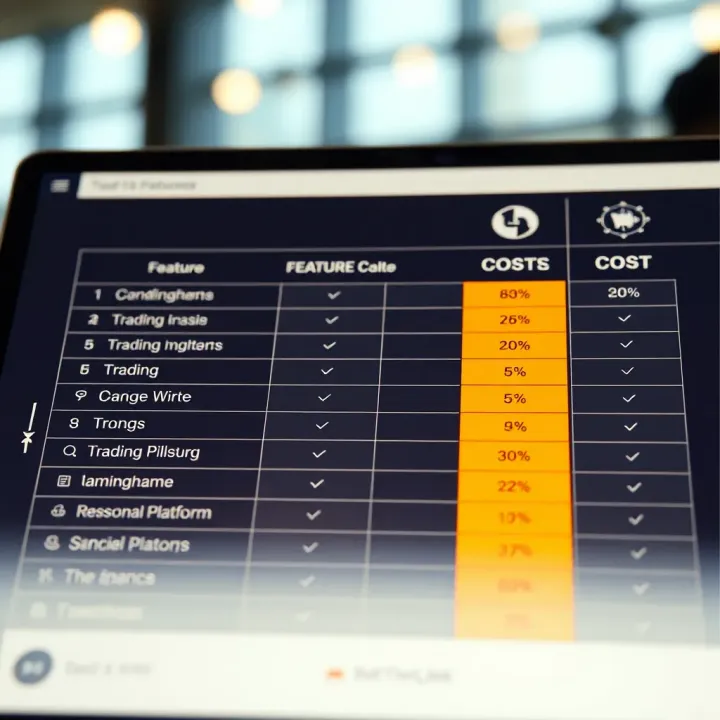
Top Trading Platforms for Indian Investors
Explore top trading platforms for Indian investors 📈. Compare features, costs, support & tools to pick the best fit for your investment goals and style.
Edited By
Matthew Collins
Binary trading platforms have caught interest among traders in India, offering a straightforward approach to speculating on asset price movements. These platforms allow you to predict whether an asset—such as stocks, commodities, or currencies—will rise or fall within a fixed time frame. If your prediction is correct, you earn a fixed payout; if not, you lose the invested amount.
Understanding how these platforms work is key before you put your money at stake. Unlike traditional trading, binary options have only two outcomes: win or lose, making them simple but inherently risky. For example, you might bet ₹5,000 that the price of gold will rise over the next 30 minutes. If gold’s price increases at expiry, your profit is typically a pre-agreed percentage, such as 70%. If it doesn't, you lose the ₹5,000 invested.

Traders often underestimate the risk, mistaking binary options for quick-profit schemes. However, success depends on research, strategy, and discipline.
In India, it’s important to note the legal position of binary trading. The Securities and Exchange Board of India (SEBI) has not approved binary options trading, and several platforms operate without regulation. This increases risks related to fraud and unfair practices. Therefore, many Indian traders access international platforms, but this comes with limitations, such as lack of legal protection and challenges in dispute resolution.
Key features to consider when choosing a platform include the variety of assets offered, reliability of payouts, user interface, and customer support. Some platforms provide demo accounts, which can help you practice without financial risk before trading real money.
Also, watch out for platforms pushing unrealistic returns or pressuring you to invest more. Responsible trading means setting limits and understanding that losses can happen as part of the process.
In the following sections, we will discuss the workings of binary trading in detail, explore India’s regulatory landscape, highlight the risks involved, and list practical tips to select a trustworthy platform.
Binary trading platforms offer a straightforward way for individuals to participate in financial markets by predicting price movements of assets within a limited timeframe. Understanding these platforms helps traders gauge their design, features, and the risks involved, which is vital for making informed decisions in India's evolving financial space.
Definition and basic concept: Binary trading involves placing bets on whether an asset's price will rise or fall by a specific expiration time. Unlike traditional trading, the outcome is all-or-nothing — either you earn a fixed payout or lose your invested amount. This makes it appealing for those seeking clear, short-term ventures.
For example, if you predict that the Nifty 50 index will close above 17,000 points by market close and it does, you receive a predetermined return. If not, you lose the invested sum.
Types of binary options: Common types include High/Low (predicting the direction), Touch/No Touch (whether prices hit a certain level), and Range options (whether prices stay within a range). Each serves different strategies and risk appetites. Traders in India use these options to capitalise on short events like RBI announcements or corporate earnings.
How trades are executed: When you select an option, the platform locks in the potential payout and expiration time. You invest your chosen amount, and once the expiry hits, the platform compares your prediction to actual market data. Execution is usually instant, allowing for quick decision-making and rapid trade cycles.
Platform features and user interface: Most platforms provide a clean, user-friendly interface showing real-time charts, countdown timers, and quick asset selection menus. Indian traders appreciate platforms that support Hindi, Tamil, or Telugu interfaces alongside English for better accessibility.
Trade execution process: The platform accepts your entry, confirms the terms (strike price, expiry, payout), and holds your investment until expiry. Execution speed and reliability are crucial — delays or glitches can cost traders money. Reputed platforms offer transparency with clear records of trades and payouts.
Assets available for trading: Binary platforms offer assets ranging from Indian indices like Sensex, Nifty 50, currency pairs (USD/INR), commodities like gold and crude oil, to global stocks like Infosys or Reliance Industries. This variety lets Indian traders diversify strategies and take advantage of both domestic and international market movements.
An easy-to-navigate platform with diverse trading assets and clear, quick trade execution can significantly impact trading success. Choose platforms that suit your local language preference and offer transparency over terms.
Understanding these operational aspects sets the foundation for comparing platforms and evaluating their suitability for your trading style and risk tolerance within India’s regulatory environment.
India's regulatory framework shapes how binary trading platforms operate within the country. For traders, knowing the legal landscape helps avoid risks linked to unregulated or illegal platforms. This context also guides decisions on selecting platforms that respect Indian laws and consumer rights.

The Securities and Exchange Board of India (SEBI) strictly regulates securities and commodity markets but does not recognise most binary trading platforms as legitimate exchanges. SEBI classifies many binary options as akin to gambling due to their all-or-nothing nature. Consequently, Indian law currently prohibits investment in overseas binary trading platforms without relevant licences. This restricts Indian traders from legally using popular global binary options services.
Besides SEBI, the Reserve Bank of India (RBI) plays a role by overseeing foreign exchange and payments. RBI guidelines restrict fund transfers to unregulated overseas platforms and track suspicious transactions under anti-money laundering rules. This indirectly impacts binary trading, as many platforms operate offshore and demand payments in foreign currency, making compliance challenging.
Traders should be aware of legal challenges like potential prosecution for participating in unlicensed trading activities. Cases of players losing funds due to platform shutdowns or government crackdowns are documented. India’s Financial Intelligence Unit (FIU) monitors digital transactions closely, warning users against platforms lacking approval. Falling foul of these norms exposes traders to financial losses and legal troubles.
Unregulated binary trading platforms pose significant fraud risks. Fake companies often lure traders with promises of guaranteed returns, only to withhold withdrawals once funds are deposited. Traders have reported sudden account suspensions or manipulated trading software that skews results unfairly. Such scams cost many Indian traders thousands of rupees, with little legal recourse.
Consumer protection remains weak because unregulated platforms do not follow RBI or SEBI rules. Without proper grievance redressal mechanisms, customer complaints go unanswered. Refunds, if any, occur after prolonged delays. Platforms may lack transparent terms on fees or transaction conditions, causing hidden losses to the trader.
Verifying platform legitimacy involves checking for SEBI registration or licenses from recognised financial authorities. Traders should insist on clear information about company headquarters, ownership, and user reviews. Trusted platforms offer Demo accounts and transparent payout histories. Using platforms regulated by reputed bodies offers a safer trading environment and legal protection.
Always choose binary trading platforms registered with relevant Indian or international authorities. This ensures some oversight and reduces exposure to fraud and legal complications.
In summary, understanding the legal stance and risks of unregulated binary trading in India is key for any trader. Careful research, compliance with RBI and SEBI rules, and prioritising regulated platforms help you safeguard money and avoid legal trouble.
Choosing the right binary trading platform is essential for a smooth trading experience, especially given the risks and volatility involved in this market. Indian traders should focus on key features that affect usability, asset variety, and financial transactions. Understanding these can help avoid common pitfalls and improve the chances of managing trades effectively.
Mobile and desktop compatibility matters a lot in today’s trading world. Many traders in India prefer mobile apps due to constant connectivity and convenience. A reliable binary trading platform should offer a responsive design that works well both on smartphones and desktops. For example, platforms like IQ Option and ExpertOption provide apps fully compatible with Android and iOS, alongside desktop versions, allowing users to trade on the move or from their home office.
Easy navigation is another important aspect. A platform cluttered with unnecessary buttons or unclear menus makes trading stressful and prone to errors. Traders benefit when controls are intuitively placed, charts load quickly, and essential functions like placing trades or closing positions require minimal clicks. Such efficiency can make the difference between a profitable trade and a missed opportunity.
Language and localisation also deserve attention. Since India is linguistically diverse, platforms supporting regional languages like Hindi, Tamil, or Telugu enhance user comfort. Localisation beyond language—such as showing currency in rupees (₹) and aligning trade timings with Indian Standard Time—adds to practicality, making the platform feel tailored for Indian traders.
The variety of assets offered is critical. Top platforms list a mix of stocks, currency pairs, commodities, and indices. For example, Indian traders interested in currency pairs like USD/INR or commodities like gold should look for platforms supporting these specific instruments. A broader choice gives traders flexibility to diversify and try different strategies.
Types of options and expiry times influence how traders can manage their positions. Some platforms provide classic high/low options, while others offer one-touch and range options. Flexibility in expiry—from 30 seconds to several hours—lets traders calibrate risk according to their preferences and market conditions.
Payout structures must be transparent to avoid surprises. Traders should check the maximum payout percentage in winning trades and any hidden fees. For instance, payouts of 70-85% are common, but some platforms might deduct fees or offer lower returns on certain assets. Transparency here helps traders calculate potential profits realistically.
In India, having payment methods that fit local preferences is a boon. Platforms accepting UPI, net banking from major banks like SBI and HDFC, or popular wallets such as PhonePe and Google Pay reduce friction for deposits and withdrawals. Some international platforms rely solely on credit cards or cryptocurrencies, which may pose challenges for Indian users.
Withdrawal processing times also matter. A quick turnaround—within 24 to 72 hours—is desirable so traders can access their profits without undue delay. Delays beyond this period might signal operational issues with the platform.
Reliable customer support rounds off the experience. Platforms offering multiple channels like live chat, email, and phone support, manned by responsive and knowledgeable staff, help resolve issues faster. For Indian traders, availability during Indian business hours and support in local languages improves accessibility and confidence.
Focusing on these key features helps Indian traders choose a platform that is user-friendly, offers suitable trading options, ensures smooth money flow, and provides dependable assistance. This practical approach reduces risks and enhances the overall trading experience.
Understanding the risks involved in binary trading is necessary before committing your hard-earned money. The high stakes and fast-paced nature of binary options demand careful consideration so you don't find yourself caught off-guard. These risks affect not just your potential to profit but also your ability to manage losses and stay in control of your investments.
Binary options come with a high risk of loss because you are essentially betting on a yes/no outcome within a short window. This straightforward betting structure leaves little room for error, unlike traditional investments where you might ride out ups and downs. For example, if you predict that the price of crude oil will rise in 30 minutes and it falls instead, you stand to lose the entire amount staked on that trade.
Market volatility adds another layer of risk. Prices can swing wildly in minutes due to global news or local developments, making predictions tough. In India, monsoon forecasts affecting energy stocks or sudden RBI policy changes can trigger unforeseen price moves impacting your trade’s outcome. Traders must accept that such fluctuations could wipe out investments quickly.
Having a risk management strategy is crucial to surviving this environment. This includes deciding beforehand how much capital to risk per trade and using losses as lessons rather than excuses to chase bigger bets. For instance, limiting any single trade’s exposure to 2–3% of your total trading pool helps preserve capital for future opportunities. Without such discipline, even a few bad trades can drain your account.
Promises of guaranteed profits are red flags in binary trading. Anyone claiming you can make easy money without risk is misleading you. Genuine platforms and experts emphasise that losses are common and learning to cut them short is key. A trader who ignores this often falls into emotional traps, leading to rash decisions.
Choosing trustworthy platforms requires some digging. Look for Indian user reviews, check if the platform complies with SEBI norms or has international licences, and assess how transparent they are with fees and payout structures. Platforms that hide terms or delay withdrawals are warning signs.
Setting realistic expectations goes hand in hand with proper risk awareness. Unlike long-term stock investments, binary options rarely offer steady profits. You should be prepared for ups and downs and see trading as a skill you develop gradually rather than an instant windfall. For example, starting with demo accounts or low stakes can help manage enthusiasm and build a practical approach.
Remember, trading binary options is not a shortcut to wealth but a challenging game where careful planning and sober judgement decide your success.
By keeping these risks and pitfalls in mind, traders in India can navigate binary trading platforms more confidently and protect their capital while searching for reasonable gains.
Selecting the right binary trading platform is vital for a smooth trading experience and can significantly influence your success, especially within the Indian market. A trustworthy platform not only ensures fair trade execution but also protects you from potential scams that have become common in this sector. Knowing what to check before committing can save you both money and stress.
Reading user reviews and feedback gives you firsthand insights into the platform's reliability and user experience. Many traders share their experiences on forums and review sites, highlighting issues like delayed withdrawals or poor customer support. For example, a platform with many unresolved complaints about withdrawal delays should ring alarm bells. However, do be cautious about overly positive reviews that seem scripted or fake.
Checking regulatory approvals is key for safety. Since the Securities and Exchange Board of India (SEBI) does not currently regulate binary options, focus on whether the platform holds licences from reputed international authorities. These licences indicate adherence to certain operational standards. Without proper regulation, platforms might operate with little accountability, increasing the risks of fraud or unfair trading practices.
Assessing company history and ownership can provide clues about platform stability. Platforms run by established companies with transparent ownership are less likely to disappear overnight. For instance, a trading operator with years in the market and clear corporate details is usually more trustworthy than an unknown entity with no verifiable background.
Benefits of using demo trading include practising your strategies without financial risk. Demo accounts simulate real trades with virtual funds, enabling you to understand the platform’s interface and execute trades under real market conditions. This practise helps to build confidence before investing actual money.
Evaluating platform functionality through practice is important. Demo trials allow you to check if the platform responds quickly, offers all promised features, and maintains stability during volatile market moves. For example, slow execution or crashes during demo trading likely indicate problems that could worsen with real stakes.
Understanding terms and conditions is often overlooked but critical. These documents clarify withdrawal procedures, fees, bonus rules, and dispute resolution mechanisms. It’s wise to read them carefully even during the demo stage. A platform with hidden clauses or unfavourable withdrawal policies might trap users in complicated situations later.
Choosing a binary trading platform in India requires careful research and hands-on testing. This approach helps avoid pitfalls and ensures you trade on a platform that suits your needs and safeguards your investments.
By focusing on reputation, regulation, company background, and demo trials, you make a more informed decision aligned with the unique challenges of binary trading in India.
Explore top trading platforms for Indian investors 📈. Compare features, costs, support & tools to pick the best fit for your investment goals and style.

🚀 Explore top binary trading apps for Indian traders! Learn how to spot secure, user-friendly platforms and master trading strategies to boost your ₹ profits safely.

🔍 Explore the legal status of binary trading in India, its risks, and government action. Learn why it's illegal and discover safer financial alternatives today.
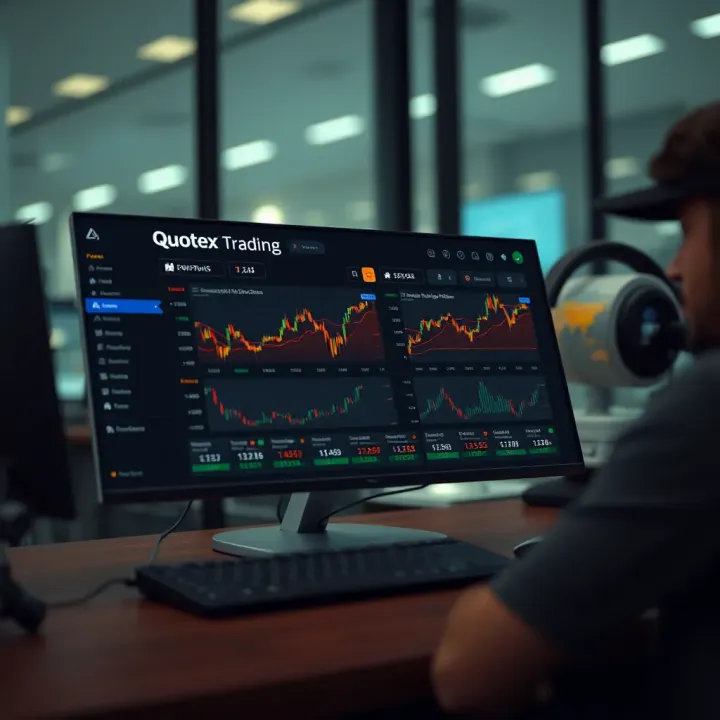
Explore Quotex in India 🇮🇳: Features, account setup, payment methods, legal tips, risks, and practical advice for smarter trading decisions.
Based on 6 reviews