
Guide to QX Trading: Strategies & Market Insights
Explore QX Trading in India 🚀. Get insights on strategies, platform features, market tips, and risk management for smarter investments. 📊💼
Edited By
Amelia Wright
Choosing the right trading platform matters a lot for Indian investors. It directly influences trading efficiency, costs, and ease of access to markets like NSE and BSE. With so many platforms available — from apps like Zerodha Kite and Upstox to full-service brokers like ICICI Direct — selecting one can feel overwhelming.
A good trading platform should align with your investment goals, trading style, and budget. For instance, if you are a frequent trader, low brokerage and fast order execution will be key. For long-term investors, research tools and portfolio tracking might matter more.
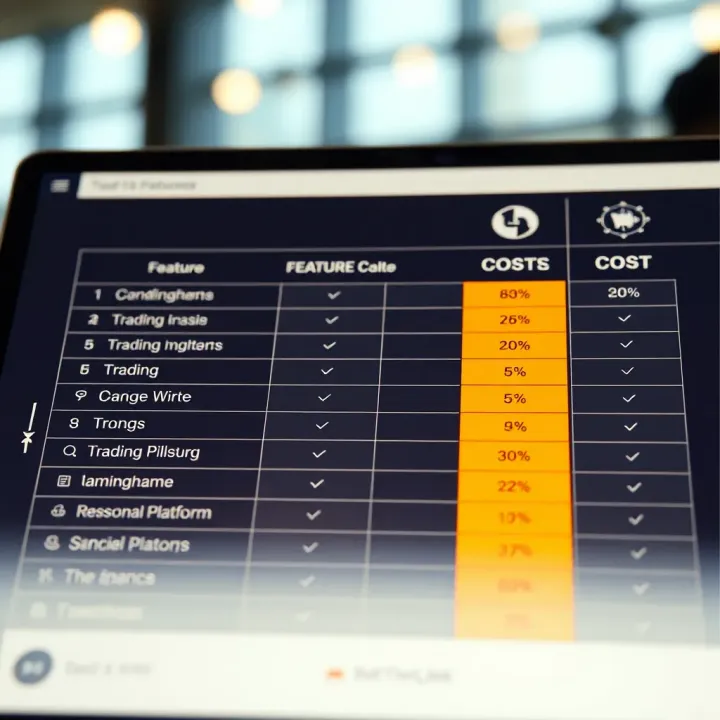
Here are some factors to consider when picking a trading platform:
Brokerage charges: Platforms can charge flat fees per trade or percentage-based charges. Low brokerage helps preserve profits, especially for smaller trades.
User interface: A clean, intuitive app or website is essential to avoid mistakes and save time.
Market access: Check if the platform allows trading across segments like equities, derivatives, commodities, and mutual funds.
Trading tools: Advanced charting, technical indicators, and stock screeners help make informed decisions.
Customer support: Quick, reliable support can save stress when facing technical glitches or order issues.
Selecting a trading platform is more than comparing fees. Look for features that fit your style and support smooth, timely trades in Indian markets.
Some platforms focus on discount broking with minimal fees, catering to cost-conscious investors. Others, like HDFC Securities or Kotak Securities, bundle wealth management and advisory services.
In the coming sections, we'll compare popular platforms in India, highlighting their strengths and weaknesses. This will help you pick a trading partner that suits your needs without burning a hole in your pocket.
Selecting a suitable trading platform forms the foundation for successful investing. Trading platforms act as your gateway to the stock markets, allowing you to place orders, track investments, and access essential research. Without a firm grip on what these platforms offer and how they function, you risk missing timely opportunities or facing hidden charges.
Trading platforms serve as the interface between investors and stock exchanges like NSE and BSE. They enable you to buy or sell shares, commodities, or derivatives in real-time. Beyond just order placement, most platforms offer charting tools, market news, portfolio analysis, and risk management features. For example, Zerodha Kite not only lets you trade but also provides advanced technical indicators and a smooth user experience.
Brokerage-based platforms are provided directly by registered brokers. These platforms usually come integrated with your trading account, offering seamless order execution and compliance with Indian market regulations. They provide features tailored to the brokerage's customers, such as customised research reports or margin funding options. For instance, Angel One's platform offers both equity and commodity trading from a single dashboard, simplifying the process for Indian traders.
Independent trading software stands apart from brokerages and traditionally appeals to expert traders who want more analytical depth. These applications connect to multiple brokers and exchanges simultaneously, supporting advanced charting, algorithmic strategies, and backtesting tools. Platforms like MetaTrader (widely used for currency trading but available for Indian equities via compatible brokers) allow traders to deploy custom technical models beyond what broker platforms offer.
Mobile trading apps have grown immensely popular in India due to smartphone penetration and fast internet connectivity. They offer on-the-go access to markets, real-time notifications, and simplified order placement. Apps like Upstox Pro and 5paisa Trader excel in delivering fast execution while incorporating handy features such as one-click order modifications and live market scans. These apps target investors who prefer trading during commutes or while multitasking.
Not all trading platforms fit every investor’s needs. A platform’s usability, cost structure, and tools can significantly influence your trading efficiency and profitability. Choosing a platform ill-suited to your trading style might lead to missed trade executions, higher brokerage fees, or difficulty navigating complex interfaces. For instance, beginners may find simple platforms with educational material more helpful, while day traders demand lightning-fast execution and extensive charting. Ensuring your platform matches your goals saves time, effort and ultimately, your money.
Your trading platform is more than software; it’s the engine of your investment strategy. Take time to assess its features and how they fit your unique trading habits before committing.
Understanding these differences helps Indian investors pick platforms that balance functionality, cost, and convenience, making their trading experience effective and rewarding.
Choosing the right trading platform involves more than just picking popular names. Indian investors must assess key features that impact their trading efficiency and overall experience. Each feature influences how quickly and accurately you can execute trades, access market data, and manage your investments securely.
A platform’s ease of use determines how smoothly you can navigate and perform trades. For example, Zerodha Kite stands out for its clean, intuitive layout, which suits both beginners and seasoned traders. A clumsy or cluttered interface can lead to mistakes like placing wrong orders or missing price movements. Clear menus, logical workflows, and user-friendly dashboards reduce learning curves and make trading less stressful, especially during volatile market movements.
Robust tools are vital to analyse stocks and make informed decisions. Look for platforms that offer advanced charting with indicators such as Moving Averages, RSI (Relative Strength Index), and MACD (Moving Average Convergence Divergence). Upstox Pro, for instance, offers comprehensive charts and real-time data feeds. Integrated tools for technical and fundamental analysis help spot trends, set alerts, and test strategies without switching apps.
Diverse order types like Market, Limit, Stop-loss, and Bracket orders can help manage risk and optimise entry and exit points. Execution speed matters, particularly for day traders dealing with volatile counters. If your orders are delayed, you might end up buying or selling at unintended prices. Platforms that use low-latency servers and direct market access ensure faster execution. For instance, Angel One's platform is known for reasonable order execution speeds helping frequent traders.

Given India’s growing reliance on smartphones, trading apps must perform smoothly on mobiles. The app should load quickly, avoid crashes, and sync seamlessly with your desktop account. 5paisa Trader’s mobile version offers a lightweight app with key features, ideal for traders on the go. Check if notifications for order status and price alerts come in real time to avoid missing important opportunities.
Safety of funds and data is non-negotiable. Ensure your platform complies with Securities and Exchange Board of India (SEBI) regulations and offers two-factor authentication (2FA) and encryption. Look for transparent disclosures about data privacy and segregation of client and company funds. Sharekhan TradeTiger, supported by a reputed brokerage, enforces strict security measures maintaining investor confidence.
Selecting a platform with the right combination of usability, tools, speed, mobile support, and security creates a solid base for successful trading in India. Always test demo versions when available and prioritise platforms that suit your trading style and comfort.
Each feature acts like a cog in the trading machine — get those right, and your investment journey will be smoother and smarter.
Choosing a popular trading platform is more than just going by brand name; it’s about matching the platform’s features with your trading needs and comfort level. Reliable platforms not only offer smooth execution and a slew of tools but also strong customer support and security that investors in India count on.
Zerodha Kite sets itself apart with a clean, fast user interface that's ideal for beginners and pros alike. It supports direct market access with low brokerage charges, making it affordable for traders to buy and sell equities, commodities, and derivatives. Kite’s charting is quite robust, offering over 100 indicators, and it integrates with the Zerodha Console for portfolio tracking and reports.
Zerodha’s integration with India Stack technologies like UPI for payments streamlines fund transfers within the platform. However, its mobile app is notably popular, especially among millennial traders who prefer trading on the go without lag.
Upstox Pro is favoured by active traders and those looking for advanced features without a steep learning curve. It offers advanced charting with heat maps and trading widgets that provide real-time updates. The platform supports multiple order types including cover orders, which are useful for risk management.
Its brokerage model is competitive, and its user experience reflects consistent updates and responsiveness. Upstox’s partnership with Amazon Pay also allows seamless fund movement, appealing to users already within that ecosystem.
Angel One is a full-service broker with a strong digital presence, making it a good pick for both beginners and long-term investors. It offers a straightforward app and web platform, enriched with educational resources targeted at new investors.
One unique aspect is its research reports and market insights that come with the platform, giving users a value-add beyond trading. Investors preferring a mix of self-directed and advisory services find Angel One handy.
5paisa Trader is known for its low-cost brokerage and simple interface tailored for the budget-conscious trader. It caters mostly to retail investors who want to keep charges minimal and use basic but effective tools for trading and investing.
The platform’s standout feature is its flat fee model, which removes the worry about complex commission structures. It also supports mutual fund investments within the app, providing a decent one-stop solution for small investors.
Sharekhan’s TradeTiger is an older but still relevant desktop-based platform preferred by traders who value deeper analytical tools and customisable workspaces. It’s packed with features like advanced charting, scanner tools, and algorithmic trading capabilities.
Though heavier than mobile-first platforms, TradeTiger suits serious traders comfortable with a desktop environment who want extensive research and real-time market data.
While all these platforms serve Indian investors well, the choice comes down to your trading frequency, familiarity with technology, and budget. Testing demo versions or apps before full commitment helps ensure the platform feels intuitive for your style.
Each platform mentioned here integrates with Indian banking and payment systems, complies with SEBI regulations, and supports trading on NSE and BSE, ensuring you can trade safely and efficiently. Choose one that fits your needs today to build your trading confidence and potentially improve returns.
Selecting a trading platform depends heavily on your trading style. Whether you're just starting, trading frequently, or investing for the long haul, each approach demands specific features to make your experience smoother and more profitable. Understanding this helps you avoid unnecessary costs or complications.
Beginners benefit from platforms with a clean, simple interface that avoids overwhelming them with extra buttons or jargon. A clutter-free layout like Zerodha Kite or Angel One’s basic mode eases navigation. Platforms offering educational resources such as videos, tutorials, and demo trading accounts can speed up learning. For example, Angel One provides a wealth of market insights and beginner guides in regional languages, which can be quite helpful. Support features like chat or phone helplines are valuable too, especially when you need quick clarifications. Starting with a platform which offers these helps beginners build confidence without feeling lost.
If you trade often, every second and rupee counts. Platforms designed for high-volume trading offer faster order execution and minimal latency. Upstox Pro or 5paisa Trader, known for rapid order placement and real-time market feeds, suit active traders well. Look for low brokerage fees per trade—some platforms charge flat fees, which can save you money over the long run. Also, options like direct market access (DMA) and advanced charting tools stand out for day traders who rely on technical analysis. Furthermore, mobile apps with seamless performance ensure you don't miss trades when away from your computer.
Long-term investors need platforms that help track their portfolio and provide in-depth research. Tools like detailed fundamental analysis, earnings reports, and customised watchlists guide smarter investment decisions. Sharekhan TradeTiger, for instance, includes comprehensive research reports and an intuitive portfolio dashboard. Features that show sector-wise performance or dividend history can also influence long-term choices. Plus, automatic investment plans or systematic investment plan (SIP) integrations make disciplined investing convenient. Having a platform that focuses on research rather than rapid trades benefits those who prefer holding assets over time.
Choosing a platform that fits your trading style reduces frustration and optimises your investment outcomes. Consider what matters most to you and test the platform’s features before committing.
When you align your trading habits with the right platform features, your experience improves. Beginners get to learn comfortably, frequent traders save on costs and time, and long-term investors access valuable insights and efficient management. This tailored approach is key to navigating India's growing trading ecosystem effectively.
Understanding the fees attached to trading platforms is vital for every investor, especially in India where costs can quickly eat into profits. These expenses vary widely between brokers and can impact your trading strategy and overall returns. Let's break down the main cost elements so you can pick a platform that suits you best.
Brokerage fees form the core charge for trading services. Most platforms in India use either a percentage-based fee or a flat-fee model. For example, traditional brokers like Sharekhan often charge a percentage—usually around 0.25% to 0.5%—on each trade. On the other hand, discount brokers such as Zerodha or Upstox provide flat fees, often ₹20 per trade regardless of trade size. This model works well if you frequently trade high volumes or large quantities of shares, as it keeps costs predictable.
Some platforms also offer zero brokerage but earn through other channels like higher account maintenance charges or wider bid-ask spreads. Knowing the brokerage structure helps avoid surprises at settlement.
Beyond brokerage, account maintenance charges (AMC) can add up. Brokers may charge ₹300 to ₹600 annually for maintaining demat accounts. Small investors might overlook these fees, but they accumulate over years.
Other hidden costs include:
Transaction charges: Levied by exchanges, typically a small percentage per trade.
Stamp duty: Varies by state, which some platforms factor into your bill.
Call and trade charges: Platforms may charge extra if you place orders via phone instead of online.
For instance, a beginner using Angel One should check if the ₹300 AMC is waived under certain trading volumes or balances.
To truly compare platforms, tally all fees: brokerage, AMC, transaction, and incidental charges. A platform like 5paisa might offer lower brokerage but impose higher account or withdrawal fees, reducing its cost advantage.
Consider your trading style as well. Frequent traders benefit from discount brokers with flat fees, while long-term investors may prefer platforms with zero brokerage but reasonable AMC and robust research tools.
Always ask for a detailed cost break-up before choosing a platform. Sometimes, the lowest fee platform isn’t the most economical in the long run.
In short, understanding these costs helps you keep more of your returns and avoid choosing a platform that turns cheap at first but drains you gradually.
Access to strong support and comprehensive resources can make or break a trader's experience. Beyond just executing trades, platforms that offer solid customer service, educational materials, and community features empower investors to make smarter decisions and tackle challenges with confidence.
Reliable customer service is essential, especially when time-sensitive issues arise, such as failed orders or account access problems. Look for platforms offering 24/7 support through multiple channels like phone, chat, and email. For example, Zerodha provides quick assistance via its call centres and chatbots, ensuring traders don’t get stuck during crucial moments. Responsiveness matters more than fancy interfaces here—waiting hours for help can lead to missed opportunities or costly errors.
Consistently good service also includes clear, jargon-free guidance. Some platforms provide dedicated relationship managers or expert helplines; this personalised support can be invaluable for newer investors who need quick clarifications or troubleshooting.
Penny-wise traders always appreciate well-curated learning resources. Platforms that offer tutorials, webinars, and up-to-date market news give users an edge. For instance, Angel One provides educational videos and articles that cover everything from basics to advanced trading strategies tailored for Indian markets.
Additionally, some platforms integrate real-time data analysis and expert market commentaries directly within their apps. This blend of actionable insights helps investors keep pace with market movements without juggling multiple sources. Over time, consistent exposure to these materials makes a significant difference in understanding market trends and managing risks.
Social trading allows users to observe or copy the trades of seasoned investors, creating a collaborative environment. Platforms like Upstox and 5paisa are exploring community forums and leaderboards to foster peer learning and exchange ideas.
These features can speed up learning curves and build confidence, especially for freshers unsure about market timing or stock selection. Participating in such communities also exposes traders to diverse perspectives, helping prevent echo-chamber effects where one viewpoint dominates.
A trading platform’s additional support features often reflect its commitment to investor success. Good customer service, rich educational tools, and active communities go beyond basic trading needs to truly support your investing journey.
Choosing a platform with these resources tailored to your style can make all the difference in navigating India's vibrant financial markets effectively.
Explore QX Trading in India 🚀. Get insights on strategies, platform features, market tips, and risk management for smarter investments. 📊💼

Explore the best trading apps in India 📱! Compare features, ease of use & investor suitability to pick the ideal app for your goals and safe investing tips.

📱 Discover the best tablets for trading in India! Explore top models with great connectivity, security, and portability tailored for stocks, forex & crypto traders.

📊 Learn how RBI authorised forex trading platforms in India ensure secure, compliant trading. Discover their benefits and tips for safe forex trading.
Based on 13 reviews