

Free Demo Trading Guide for Indian Investors
Learn how free demo trading helps Indian investors practise securities buying and selling risk-free 🛡️. Discover practical tips, avoid pitfalls, and boost your confidence before real trading.
Edited By
Isabella Wright
Demo share market apps provide a risk-free platform for investors and traders to practise buying and selling stocks using virtual money. These apps simulate the real Indian stock market environment, mirroring live prices, market depth, and order book movements, so users can get a close-to-reality experience without financial exposure.
For Indian investors, this means you can build confidence before stepping into actual trading. Many beginners hesitate due to fear of losing money or lack of practical knowledge. Demo apps break down this barrier by letting you learn the ropes with zero risk.
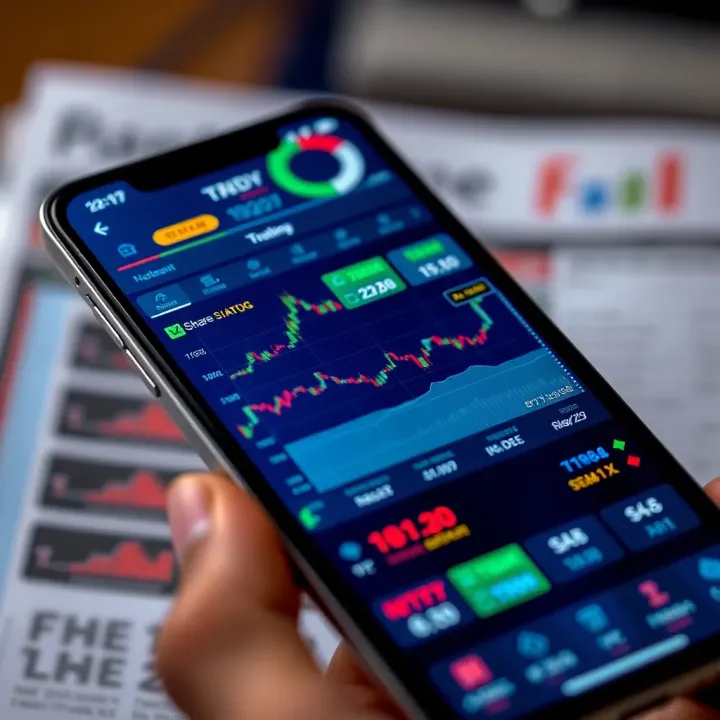
Experienced traders also benefit by using these platforms to test new strategies or study market behaviour during volatile periods. For example, if you want to try swing trading techniques on the Nifty 50 index, a demo app lets you experiment with entry and exit points without affecting your capital.
Practising on demo apps today can save you money tomorrow by reducing costly errors in live markets.
Real-time stock quotes from Indian exchanges such as NSE and BSE
Access to trading features like placing limit orders, stop losses, and market orders
Simulated portfolio management that tracks gains, losses, and dividends
Educational tools like charts, technical indicators, and news updates
Understand market mechanics under live conditions
Build trading discipline without emotional pressure
Test investment ideas based on Indian economic events or company announcements
For instance, before the festive season, you might practise investing in consumer sector stocks to grasp how seasonal demand affects prices. By analysing virtual gains or losses, you sharpen decision-making skills.
With growing smartphone penetration and affordable mobile internet in India, these apps are more accessible than ever, especially for first-time investors from tier-2 and tier-3 cities. They help bridge the gap between theory and real-world trading, making the stock market more approachable.
In short, demo share market apps are valuable tools for anyone aiming to strengthen their market knowledge, refine trading strategies, or simply explore stock investing safely.
A demo share market app is a digital platform that allows investors to practise stock trading using virtual money instead of real funds. These apps mirror the Indian stock market's conditions and trading environment, giving users a chance to experience buying and selling shares without financial risks. For traders and investors, especially those new to the market or testing strategies, understanding how these demo apps work is essential before shifting to live trading.
Demo apps simulate real trading by using live or slightly delayed market data to create a realistic market experience. For example, when the Sensex or Nifty moves during the day, the app reflects these movements in virtual portfolios. This setup helps users learn how prices change and how orders get executed in a stock exchange environment. It allows practice in placing market, limit, and stop-loss orders without spending actual money.
However, unlike live platforms, demo apps do not involve real financial transactions. They use virtual money, which means gains or losses affect only the simulated account. This distinction is significant because it removes the emotional pressure of risking one’s capital. While live platforms demand quick decision-making under stress, demo apps enable users to understand market mechanics at their own pace.
Live trading platforms are connected directly to the stock exchanges such as the National Stock Exchange (NSE) or the Bombay Stock Exchange (BSE) and involve real money flows. Every transaction executed impacts the trader’s actual capital and has real financial consequences. Demo apps, in contrast, are training grounds designed to eliminate these stakes.
Another key difference lies in the user experience. Live platforms often include advanced tools and analytics designed for real-time decisions, while demo apps focus more on education and experimentation. Some demo apps might lack features like margin trading, short selling, or intraday product options that exist on actual trading platforms. Knowing these limits helps users adjust their expectations when moving to real trading.
For beginners, demo apps provide a safe space to understand fundamental market concepts such as order types, stock price movements, and portfolio management. Instead of reading theory alone, newcomers can practise making trades, observing how market events affect stock prices, and learning to interpret charts and data. This hands-on approach is vital to build confidence and avoid costly mistakes when trading with real money.
Consider a first-time investor learning about SIP (Systematic Investment Plan) or investing during the Diwali season sales, where market volatility can be tricky. Using a demo app helps them familiarise with timing and order execution without pressure.
For seasoned investors and traders, demo apps serve as a testing ground for new trading strategies or tweaking existing ones. Suppose a trader wants to try algorithmic or day trading strategies using futures and options. Testing on a demo account lets them assess the effectiveness and risks before committing capital.
Moreover, experienced traders may use demo apps to explore features of new platforms or get comfortable with interface changes without jeopardising their portfolio. It helps in refining entry and exit points or simulating how strategies perform under different market conditions without real losses.
Demo share market apps act as essential tools bridging learning and execution, especially in the diverse and fast-moving Indian markets, helping users make informed decisions safely before committing actual money.

Demo share market apps offer Indian investors a safe space to understand trading without putting their hard-earned money at risk. The practical benefits range from grasping market behaviour to refining strategies, making these apps essential tools before venturing into real trading.
Demo apps simulate the Indian stock market environment using real-time or near-real-time data without requiring any actual investment. This means you can observe how stock prices fluctuate, how market news impacts shares, and how orders execute—all without risking a single rupee. For example, a new investor can track how NSE and BSE stocks move during the day, witnessing firsthand concepts like volatility and trend shifts. This hands-on approach helps demystify complicated market movements and familiarises users with trading jargon and processes.
Many beginners hesitate to start trading because they lack confidence in navigating the market. Demo apps allow them to operate as if dealing with real money, practicing buying and selling stocks with virtual funds. Over time, repeatedly experiencing order placements, stop-losses, and profit booking builds a trader’s confidence. This practise reduces hesitation and impulsive decisions when real capital is at stake since the user has already made similar decisions in a risk-free setting.
Experienced traders often use demo apps to experiment with new techniques without financial risk. For instance, a trader testing swing trading based on moving averages can simulate entries and exits to see potential profits or losses. Similarly, novices can trial systematic investment plan (SIP)-like methods or intraday scalping strategies to better understand outcomes. This flexibility lets users explore various styles before committing to one that suits their risk appetite and goals.
Demo apps provide detailed records of trades and portfolio performance, enabling in-depth evaluation of strategies. By analysing results—such as returns, drawdowns, and win/loss ratios—users can fine-tune their approaches systematically. Since no actual money is lost, it’s easier to identify mistakes and correct them early. This controlled feedback loop leads to smarter decision-making and sharper skills when transitioning to live trading.
Demo share market apps act as a rehearsal stage where investors safely learn, practice, and perfect their trading skills before stepping into the real Indian stock market.
Together, these advantages make demo apps indispensable tools for effective trading education and strategy development in the Indian context.
Choosing the right features in a demo share market app can hugely impact your learning curve and trading confidence. The app should mirror real trading conditions closely enough to give you practical experience. It’s not just about fancy graphics but about getting the essentials right: easy navigation, accurate data, proper market coverage, and useful tools. These elements help bridge the gap between theory and actual trading.
Ease of navigation is vital. An app packed with clutter or complicated menus can frustrate even experienced traders. Imagine trying to place a quick trade but getting lost in layers of options—that defeats the purpose. The layout should be clean and intuitive, letting you move between watchlists, order books, and portfolio quickly. For example, apps like Zerodha’s Kite offer straightforward dashboards where even a newbie can find their way without tutorials.
Realistic market data and charts enhance the learning process. Simply showing stock prices isn't enough; charts must update with recent patterns, volumes, and indicators similar to NSE or BSE trading platforms. This allows users to practise technical analysis properly. For instance, having candlestick charts with live-like market movements helps investors familiarise themselves with timing entries and exits, which is crucial before risking actual money.
Availability of NSE and BSE stocks ensures you practise with the most relevant and liquid stocks for Indian investors. Demo apps offering a broad selection from these exchanges let you simulate trades on popular companies like Reliance Industries or TCS, and also explore mid-cap stocks. This diversity prepares you better for real market conditions.
Options, futures, and other derivatives add depth to your practice. Trading just shares is one thing; working with derivatives requires different strategies and risk management. Including these instruments in the demo app means you can test complex trades such as buying call options or shorting futures contracts safely. Apps that provide this coverage help you gain hands-on experience in leveraged products, which are common on NSE’s derivatives segment.
Educational content integrated into the app boosts your understanding. Look for apps that offer tutorials, explanatory videos, or quick tips about trading fundamentals. For example, some apps provide mini-lessons on chart reading or risk management, which can be very handy for self-learners.
Analytical tools like indicators, backtesting engines, or pattern recognition features take demo trading beyond simple order placement. They enable you to validate strategies with historical data or spot opportunities using RSI, MACD, or Bollinger Bands, all within the app.
Community support adds social learning benefits. Features like discussion forums or chat groups let you exchange ideas, discuss market trends, or jog your memory when stuck. Having access to a community can keep motivation high and introduce diverse perspectives that refine your trading skills.
Selecting a demo share market app with the right features is not just about convenience but about equipping yourself to trade real money confidently. Look beyond surface-level appeal; focus on functionality that teaches you the ropes effectively and prepares you for the market swings ahead.
Selecting the right demo share market app matters a great deal for Indian investors who want to practise and sharpen trading skills without risking real money. With several options available, you need to pick an app that closely mirrors actual trading conditions, offers accurate data, and works smoothly on your devices. Here’s what you should focus on when choosing.
User feedback plays a huge role in gauging an app’s reliability. Checking reviews on app stores and finance forums helps you understand how actual users find the app’s features, usability, and customer support. For example, an app may promise real-time stock prices but receive complaints about lagging data or frequent crashes. Such feedback gives you practical insight before you commit time or effort.
Reputation of the developer is another key factor. Established firms like Zerodha, Angel One, or Upstox, which also operate live trading platforms in India, usually provide trustworthy demo apps with legitimate market data. On the other hand, lesser-known developers might not update their apps regularly or lack proper integration with market feeds, leading to unrealistic simulations.
Live market data integration is essential for a demo app to teach you meaningful lessons. A good app should pull data directly from Indian exchanges like NSE and BSE or trusted financial data providers. This helps you experience genuine price movements and market volatility, preparing you better for real investing.
Delay in price updates can differ across apps; some update every few seconds, while others refresh prices only every minute or more. Even a small lag affects the demo trading experience, especially if you are practising intraday strategies. Knowing the typical delay can help you adjust your expectations or choose an app that suits your trading style.
Mobile and desktop versions are important because your trading practice needs flexibility. Apps like Smallcase and StockEdge offer both platforms, helping you trade on the go or analyse charts on a bigger screen at home. If a demo app works well only on desktop but hangs on mobile, it limits when and how you can use it.
Internet requirements also matter, particularly for traders in tier-2 and tier-3 cities where connectivity might fluctuate. An app that runs smoothly on a moderate-speed network without crashing or freezing will serve you better than one demanding high-speed broadband. Look out for apps optimized for 4G mobiles common in India.
Choosing the right demo app means balancing realistic market simulation, user trust, and practical usability on your devices. This ensures your trading practice is both effective and convenient.
By focusing on these aspects, you can pick a demo share market app that truly prepares you for investing in India's stocks and derivatives. Practise well before you step into live markets, and avoid surprises that come from poor simulation or unreliable data.
Using a demo share market app is more than just clicking around with virtual money. To truly benefit, you need a focussed approach that mirrors real market conditions. This section breaks down practical tips to maximise your experience, helping you build habits that transfer smoothly to real trading.
When practising on a demo app, treat it just like live trading by sticking to a clear strategy. Imagine you decide to test a momentum-based approach, buying stocks showing upward trends and exiting when momentum fades. By following this consistently, you develop discipline and avoid impulsive decisions. This practice helps prepare you for the emotional challenges of market swings when real money is involved.
It’s tempting to try wild bets on a demo app since no money is at stake. However, reckless trading doesn’t prepare you well. For example, buying a stock without basic research because ‘it’s free money’ can give a false sense of confidence. Instead, treat losses and gains seriously on demo platforms. This way, you cultivate patience and risk management skills necessary for the actual market.
Journalling each trade is a great habit to build. Note down why you took a trade, entry and exit points, and feelings at those moments. For instance, if you bought a certain NSE stock because of a news update, mention that. Over time, this record helps identify patterns in your decisions and emotional triggers, making your overall approach sharper.
Regularly reviewing your journal highlights what worked and what didn’t. Say a particular strategy yielded profits consistently while another resulted in frequent losses; this insight steers you towards refining methods with better outcomes. Such thoughtful reflection ensures you internalise lessons, reducing repeated errors when you shift to real trading.
While demo apps offer safety, real trading poses different challenges. Switch only after gaining consistent success and confidence over weeks or even months on demo. For example, if you consistently profit from simulated trades across several market conditions, it could be time to start small with real money. This cautious approach minimises surprises.
Jumping into live trading demands managing actual financial risk. Start with small investments aligned with your risk appetite. Use stop-loss orders to limit potential losses and diversify your portfolio instead of concentrating on a few stocks. It’s crucial to emotionally prepare for losing real money too, unlike in demo trading, where virtual losses don’t hurt.
Demo trading is like a rehearsal. The real performance requires readiness, discipline, and risk control honed only by treating your practice seriously and reflecting on your outcomes.
By following these tips, you make your demo trading experience genuinely useful in building a solid foundation for investing in India’s share market.
Learn how free demo trading helps Indian investors practise securities buying and selling risk-free 🛡️. Discover practical tips, avoid pitfalls, and boost your confidence before real trading.

📱 Discover the best real trading apps in India! Learn features, security, and tips to trade smartly and meet your financial goals with confidence. 💹
📱 Curious about RBI approved trading apps? Learn how they secure your investments, top choices in India, and key tips for safe trading. Stay informed and trade smart!

Learn how crypto demo trading apps let Indian users practise cryptocurrency trading risk-free 📱, test strategies, and gain confidence before investing real ₹.
Based on 7 reviews