

Understanding Demo Trading in Forex Markets
📈 Explore demo trading in forex to practise strategies safely without losing real money. Learn its pros, cons and tips, ideal for Indian investors preparing for live trading.
Edited By
Henry Wallace
A demo demat account gives investors a practical way to explore stock trading without putting real money on the line. For many beginners in India, the fear of losing ₹1 lakh or more can be daunting. This type of account simulates the trading environment, letting users buy and sell shares with virtual funds, so they get hands-on experience in the stock market.
Unlike a real demat account, where you own shares you pay for, a demo account shows the real-time market movements but uses dummy money. This means you can test strategies, understand how order placement works, and see how market fluctuations impact your portfolio—all without financial risk.
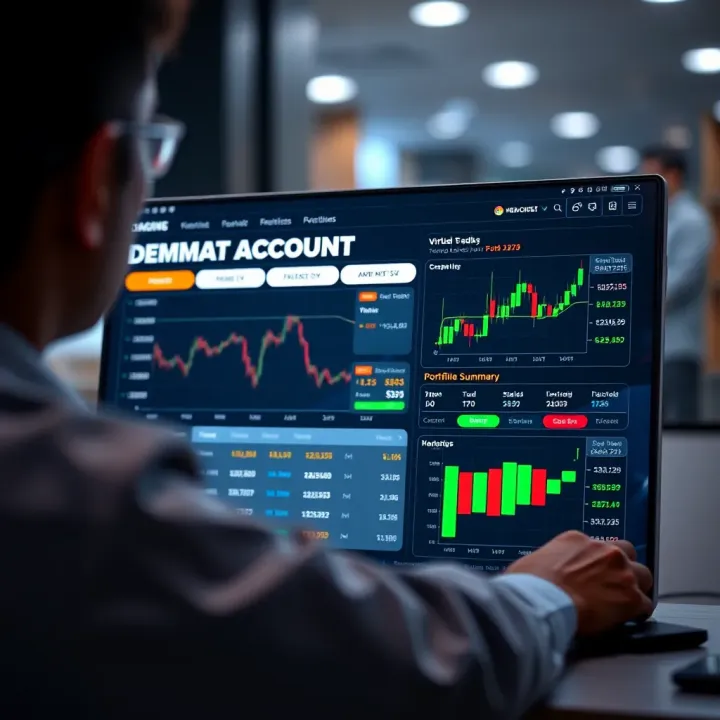
Using a demo demat account is like learning to drive with a simulator before hitting the busy streets. You build confidence and sharpen your skills before investing actual money.
These accounts operate on platforms offered by brokerages or financial apps catering to Indian markets like Zerodha, Upstox, or 5paisa. Once you open a demo account, you get a set amount of virtual capital. You can practise trading across equities, derivatives, or mutual funds just as you would live.
Since prices shown reflect the real-time market, you experience actual trading conditions but avoid the stress of financial loss. Many platforms also provide tutorials and market insights alongside demo trading, making it easier to grasp concepts.
Risk-free learning: No chance of losing money while you experiment with orders and strategies.
Understanding market mechanics: From order types (limit, market, stop loss) to tracking intraday volatility.
Strategy testing: Try intraday trading or swing trading ideas before committing real funds.
Building confidence: Helps new investors overcome hesitation and approach live trading with clarity.
By spending time on a demo account, you reduce avoidable mistakes common among fresh investors. Instead of jumping straight into the Sensex or Nifty trades, you learn at your own pace.
For anyone looking to start stock trading or improve their investing skills, a demo demat account offers a valuable stepping stone. It turns theoretical knowledge into practical ability and helps investors become market-savvy before risking real capital.
A demo demat account is a simulated platform that mimics the actual demat account used by investors to hold and trade shares electronically. Essential for beginners and even experienced traders testing new strategies, it offers a safe space to practise without risking real money or facing financial loss. Understanding what a demo demat account offers helps investors build confidence before stepping into live trading.
A demat account is like a digital locker where you keep your shares, bonds, and securities in electronic form. In India, opening a demat account is mandatory for trading and investing in the stock market. The main advantage is the ease and security it provides compared to physical share certificates, which are prone to damage or theft.
The demo demat account duplicates this environment but with virtual funds. Its purpose is to train investors by providing access to live market data, trading tools, and order placements without involving real money. For instance, a newbie investor can experiment with buying shares of Reliance Industries using ₹5 lakh of virtual funds to understand market behaviour and transaction flow.
Demo accounts operate in a virtual trading environment that replicates the actual market setup. Users log in through brokers' platforms or trading apps and place orders as they would in live accounts. Since these orders are simulated, they do not affect real market prices or involve actual capital.
The accounts use simulated data based on real-time market conditions. This means price movements, volumes, and trends in the demo account closely mimic those on the stock exchanges like NSE or BSE. However, certain factors like slippage or order execution delays might not be exactly the same. Still, the simulation provides a practical experience that aids in learning market dynamics and testing strategies before using real money.
A demo demat account acts as a rehearsal space, allowing investors to make mistakes and learn without financial consequences — a valuable tool especially for new traders navigating volatile markets.
By using a demo account, investors get hands-on exposure to order book management, limit and market orders, and portfolio tracking, all crucial for effective trading. This is why knowing how demo demat accounts function is key for anyone preparing to enter the Indian stock market.
A demo demat account offers several practical advantages that help investors, especially beginners, get a solid footing in stock trading. The two key benefits are learning without financial risk and building confidence with the trading tools and platforms.
One of the main draws of a demo demat account is the ability to practise trading strategies without risking real money. For example, you can try out intraday trading or swing trading approaches using virtual funds. This hands-on practice lets you see how different strategies perform across various market conditions, helping you refine your approach before you commit actual capital.
Investors also get to understand market fluctuations better through demo accounts. These accounts usually simulate real-time data, so you witness how stock prices move based on supply-demand dynamics, economic news, or corporate announcements. Seeing these swings without the stress of losing money can give you a clearer grasp of market volatility and timing.
Exploring trading platforms through a demo account builds comfort and familiarity. Many brokers in India like Zerodha, Upstox, or Angel Broking offer demo versions of their trading software, where you learn to navigate order books, watch live charts, and set alerts. This reduces the chances of making errors or missing opportunities when you switch to actual trading.
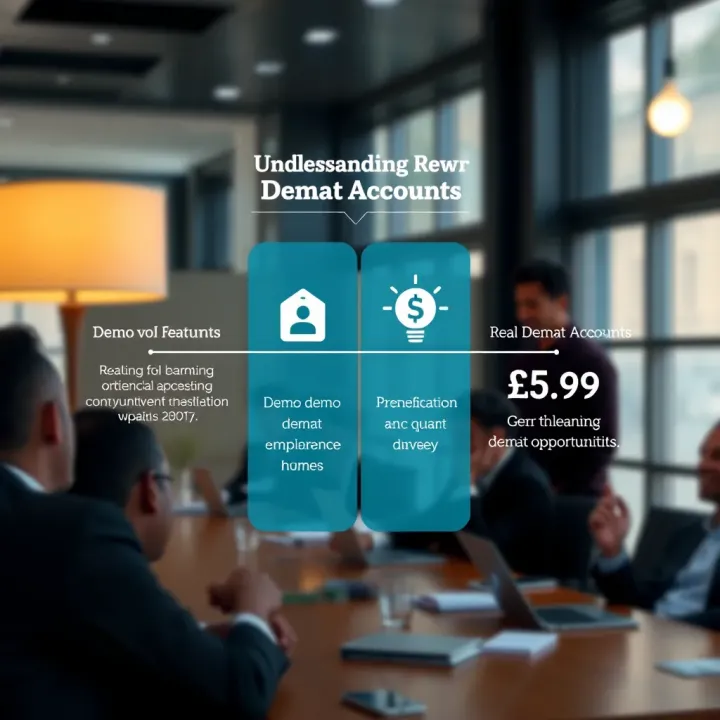
Testing order placement and execution on demos is another practical benefit. You get to practise placing buy/sell orders, setting stop-loss or target prices, and using different order types like limit or market orders. Because the simulated environment mirrors the real market interface, you develop muscle memory for quick decisions—which is especially useful during volatile trading sessions.
Using a demo demat account equips investors with risk-free experience, deeper market insight, and proficiency in trading platforms, which altogether pave the way for smoother entry into live investing in India’s stock market.
In short, demo accounts let you train like a cricketer in the nets before playing the actual match. They build your skills and confidence without costing a rupee in losses, making them an essential step for anyone serious about investing or trading in Indian markets.
Setting up a demo demat account in India has become increasingly relevant as more investors seek to understand stock trading without risking real money. A demo account offers a practical way to experience the stock market environment, explore trading features, and build confidence before investing ₹1 lakh or more in a live account. In India, where market volatility and regulatory changes are common, using a demo platform prepares investors to make informed decisions under realistic conditions.
The choice of broker or trading platform is critical when setting up a demo demat account. Several reputable brokers in India, such as Zerodha, Upstox, and Groww, offer demo accounts allowing users to simulate trades using virtual funds. These brokers provide intuitive interfaces paired with real-time market data, so traders can practice without financial risk. Selecting a broker with a solid reputation also ensures timely software updates and reliable customer support during your learning phase.
When considering platform features, look for those that closely mirror live trading environments. Important aspects include access to comprehensive charts, technical indicators, realistic order types (like limit, market, stop loss), and portfolio tracking. Some platforms also offer educational resources integrated within the demo account, helping investors understand market movements better. For example, Zerodha’s Kite platform not only supports simulated trading but also provides in-depth data visualisation tools that assist with market analysis.
Starting a demo demat account usually begins with a straightforward registration process on the broker’s website or mobile app. Typically, users need to provide basic details such as name, email, and contact number to create an account. Unlike opening a real demat account, this process does not require KYC (Know Your Customer) documentation, which means instant access to the demo platform is possible. For example, Groww allows you to start demo trading immediately after email verification.
Once registered, you can use simulators furnished with virtual funds to place different types of trades and manage your portfolio. The virtual funds mimic a real balance but do not have any financial impact. Practising with these funds helps users familiarise themselves with various trading strategies and tools without worrying about losses. For instance, a trader practising day trading can test how to place intraday orders and monitor their effects on portfolio value, sharpening skills before moving to the actual market.
Using a demo demat account with virtual funds is your safest bet to learn the ropes of stock trading before putting real money on the line.
In sum, carefully choosing a reliable broker and understanding the registration and simulation process lays the groundwork for effective use of demo demat accounts in India. This approach equips new investors with vital skills and confidence essential for success in the live stock market.
Using a demo demat account effectively can significantly boost your trading skills before you risk real money. It's not just a playground for beginners but a tool for practising techniques and analysing market trends accurately. By simulating real market conditions, these accounts allow investors to hone strategies, understand tools, and make informed decisions without facing financial loss.
Day trading and swing trading simulations let you experience short-term market moves just like in actual trading. Day trading involves buying and selling stocks within the same trading day, while swing trading aims for profits over a few days or weeks. A demo account helps you try out these techniques, testing how quickly you react to price changes and news. For instance, you can simulate entering and exiting positions based on technical signals without worrying about losing money. This practice sharpens your ability to time the market and manage risk in volatile conditions.
Long-term investment practice in a demo account builds your understanding of holding securities over extended periods. You can simulate buying shares of fundamentally strong companies and observe hypothetical growth over months or even years. This helps in grasping how compounding, dividends, and market cycles influence investment value. It also allows you to test portfolio diversification strategies and the impact of market corrections without actual financial exposure.
Chart reading and technical indicators are central to many traders’ decisions, and a demo account offers a risk-free environment to learn these skills. You can examine different chart types, recognise price patterns like head and shoulders or double bottoms, and apply indicators such as RSI (Relative Strength Index) or MACD (Moving Average Convergence Divergence). Practising these helps you identify entry and exit points more confidently. For example, if you notice the RSI reaching oversold levels in the demo, you can test whether initiating buy orders under those conditions yields positive results.
Fundamental analysis practice allows you to study company financials, quarterly results, sector performance, and market news as part of your investment strategy. With a demo account, you can combine this data with simulated trades to see how fundamentals might affect stock prices over time. For instance, analysing a company’s earnings growth and then tracking its hypothetical stock movement in the demo can solidify your understanding of how fundamental factors drive long-term value.
Properly using a demo demat account helps turn theory into actionable skills, preparing you to enter the real market with greater confidence and clarity.
Understanding the differences between demo and real demat accounts helps investors set realistic expectations. While demo accounts are great for practice, they differ significantly when it comes to financial commitment and psychological factors. Recognising these distinctions prepares investors better for the live market.
A demo demat account operates with virtual funds, meaning you don't risk actual money while practising trades. This setup allows beginners to experiment freely without worrying about losses. For example, you can test buying shares of Reliance Industries or Tata Motors in a demo account without any financial hit, even if the market moves against your position.
This no-risk environment is ideal for honing trading skills or exploring different strategies before putting real capital at stake. However, it also means you won't experience the pressure that comes with managing genuine money.
Unlike demo setups, real demat accounts require actual capital to trade. This involves not just the cost of shares but also brokerage fees, Securities Transaction Tax (STT), and other charges. For instance, buying 100 shares of Infosys will require sufficient funds to cover the purchase price plus taxes.
Investors must plan their capital carefully, considering minimum investment amounts and brokerage structures across brokers such as Zerodha, ICICI Direct or HDFC Securities. Real accounts come with regulatory requirements too, like KYC (Know Your Customer) documentation and linking to a bank account for seamless transactions.
Trading with virtual money often leads investors to take more risks since there's nothing to lose. This behaviour differs sharply from real capital trading, where financial consequences influence decision-making. For example, one might try aggressive intraday trades endlessly in a demo account but hesitate to replicate the same in a live demat account.
On the flip side, demo trading allows testing different trade sizes and techniques without the fear of burning money. But once in the real market, even small losses can impact trading frequency or strategy adjustments.
Emotions play a significant role in real trading, especially fear, greed, and anxiety. With virtual funds, traders remain mostly detached, which can make the experience less realistic. Consider an investor using a demo account to buy shares during a market dip; they may hold positions confidently without stress.
However, in a real account, the same investor might sell prematurely due to fear of loss or hesitate to buy because of uncertainty. Emotional reactions often lead to costly mistakes or missed opportunities in the live market, something demo accounts cannot simulate fully.
Successfully transitioning from a demo to a real demat account involves recognising these emotional and financial differences. Practising discipline and realistic expectations is key to improving performance in actual trading.
By appreciating the contrasts between demo and real accounts, investors gain better control over their approach, avoid common pitfalls, and prepare more thoroughly for the financial and psychological demands of actual investing.
Investors often carry doubts about the practical utility of demo demat accounts, especially when stepping into live market trading for the first time. Addressing common questions helps clear misconceptions and prepares users to leverage demo accounts effectively. For instance, understanding whether success in a demo account translates to the real market can prevent misplaced confidence or undue hesitation.
Demo accounts simulate market conditions using virtual funds but cannot fully capture real-time complexities. For example, demo platforms rely on delayed or average market data, which might not reflect sudden price swings or liquidity issues you face in actual trading. Such differences mean profit or loss seen in demo trading doesn’t always map to live outcomes.
Moreover, simulated trading excludes costs like slippage, taxes, and brokerage variations beyond standard models, which affect real trades significantly. Hence, while demos help practice mechanics and test strategies, they fall short of replicating full financial consequences.
Real market trading involves emotional and behavioural factors absent in simulations. For example, the pressure to face losses or unexpected market moves can lead to decisions that a demo environment cannot replicate. Actual trading tests risk appetite and discipline that demo accounts alone can't prepare you for.
Investors learn crucial lessons like timing exits, handling margin requirements, and reacting to breaking news only through real experience. So, using a demo account should be viewed as a stepping stone rather than a guarantee of live market success.
Most Indian brokers provide demo demat accounts free of cost as part of their client onboarding or marketing strategies. For instance, platforms like Zerodha and Upstox offer virtual trading features without brokerage charges to help users explore their interfaces. However, these free demos usually connect to the broker’s actual trading environment, so post-demo trading will attract regular charges.
Some premium platforms or specialised simulators may charge nominal fees or require subscription for advanced features, but basic demo accounts are generally free for all Indian investors.
Demo accounts often come with trial durations, such as 7 to 30 days, intended to give users enough time to explore. After this period, access may be limited or require account upgrade. Additionally, demo platforms may limit available instruments or order types to simplify user experience.
For example, certain derivatives trading options or margin features might be disabled in the demo version. Knowing these restrictions upfront helps set proper expectations and avoid confusion during practice.
Using demo demat accounts wisely means recognising both their advantages and boundaries — they offer risk-free practice but can’t replace the lessons learned from actual market engagement.
📈 Explore demo trading in forex to practise strategies safely without losing real money. Learn its pros, cons and tips, ideal for Indian investors preparing for live trading.
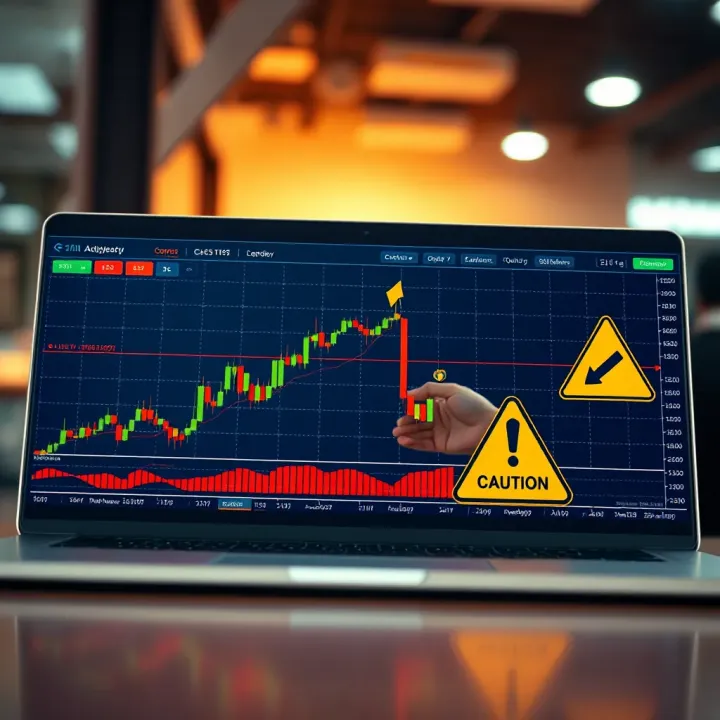
Learn demo intraday trading 🕒 in India with practical tips on platforms, features, and skill-building strategies—trade confidently before risking real money 📈💡.

Discover how QXBroker.com's demo helps Indian traders practice smartly📈. Learn to use its features and boost your trading skills before going live! 🇮🇳
Learn how free demo trading helps Indian investors practise securities buying and selling risk-free 🛡️. Discover practical tips, avoid pitfalls, and boost your confidence before real trading.
Based on 12 reviews