
Understanding Range Markets: A Practical Guide
📉 Learn how to spot range markets where prices ride between set levels, explore causes, strategies, and tips to trade smartly in India’s trading scene.
Edited By
Harry Mitchell
Demo trading in forex markets offers a risk-free environment for traders to sharpen their skills and test strategies. Unlike live trading, it uses virtual money, so losses do not impact your real capital. This makes it particularly useful for fresh entrants in India who want to understand how forex markets operate without the pressure of financial loss.
Forex demo accounts replicate real market conditions with live price feeds, allowing traders to experience currency fluctuations first-hand. For example, you can practise trading INR against USD or EUR while observing how geopolitical events affect movement. This hands-on approach builds confidence before moving to live trades.
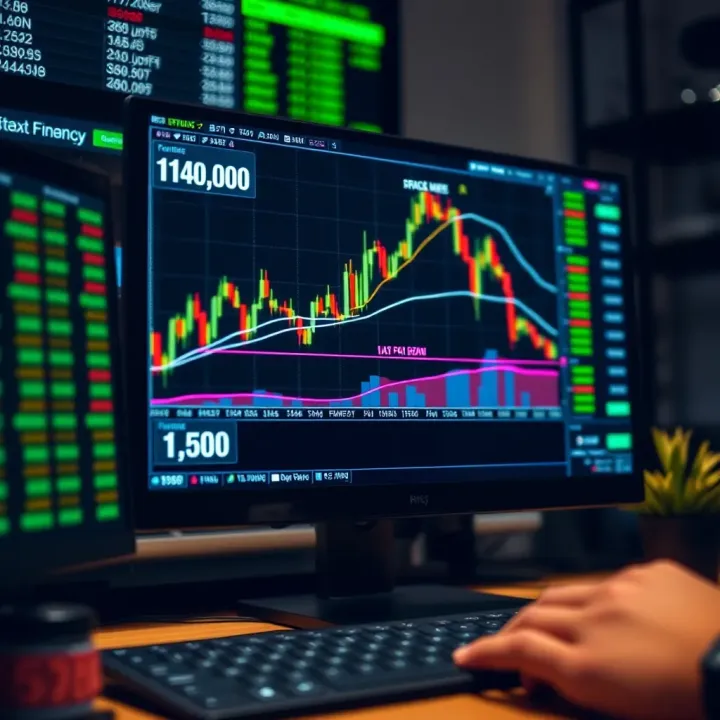
Indian investors often begin their forex journeys with demo trading to grasp basics like leverage, margin, and order types. Demo platforms typically provide access to tools such as charts, indicators, and risk management features, mirroring what you will find in a real account.
Demo trading acts like a flight simulator for forex, helping you understand market dynamics and platform operations without financial risk.
Key benefits of demo trading include:
Familiarity with trading platforms and interfaces
Testing trading strategies under real-time market scenarios
Learning risk management techniques without pressure
However, keep in mind the emotional aspect differs as virtual losses don’t carry the same sting as real ones. This may affect your decision-making. Still, practising with demo accounts helps reduce mistakes when you switch to live trading.
To get the most from demo trading, treat it seriously: record your trades, analyse performance, and simulate real position sizes. Avoid the temptation to take undue risks since there’s no actual financial downside.
In short, demo trading is an essential stepping stone in forex for Indian investors. It equips you with knowledge and practical experience, reducing costly errors and building a strong foundation before risking real money in the currency markets.
Demo trading serves as the starting point for anyone stepping into forex markets, especially for Indian investors who may not want to risk actual money initially. It provides a hands-on, virtual environment that mirrors real forex trading conditions. This practice is not just for beginners; even experienced traders use demo accounts to test out new strategies or get familiar with different trading platforms.
Think of demo trading like driving a car on a simulator before hitting the busy roads. You learn how the controls respond without worrying about crashes or damages. Similarly, demo accounts let you place trades using virtual funds, so you understand order execution, spreads, and market movements without real financial consequences.
The practical benefits include the ability to experiment freely, build confidence, and avoid costly mistakes. For example, if you're trying to trade the US Dollar (USD) against the Indian Rupee (INR), demo trading lets you observe how economic news affects this pair without risking your capital. This hands-on experience is invaluable, especially given the volatile nature of forex markets.
Demo trading means practising forex trading using simulated funds on a virtual trading platform. It replicates the live market environment so that traders can learn and experiment with strategies without risking real money. This form of trading is widely offered by brokers to help traders gain experience before investing actual capital.
Unlike paper trading where you jot down trades manually, demo trading happens on real trading platforms, showing live price feeds, order types, and charting tools. This allows you to see how a platform works under real-time market conditions and understand the flow of trades.
A demo account is set up by brokers with a fixed virtual balance, often ₹10 lakh or a similar amount in US dollars. You trade with this balance as if it were real money. Trades entered through demo accounts reflect market prices, but profits or losses are virtual.
The platform executes orders just like it would with real money, including spreads, leverage, and market fluctuations. Often, the demo environment includes access to technical indicators, charts, and news feeds that traders use for decision-making.
However, the key difference lies in the absence of emotional pressure, as no actual money is at stake. For instance, a trader might get a sense of ease making a risky trade on demo, but real-life trading could cause hesitation. Despite that, demo accounts remain invaluable for mastering trading basics and testing strategies.
Practising on a demo account builds your familiarity with market operations, tools, and price movements, making the transition to live trading smoother and less intimidating.
In short, demo trading is the safest and most efficient way to enter forex markets, offering a realistic yet risk-free learning experience crucial before stepping into live trades.
Demo forex accounts offer a vital stepping stone for traders who want to understand currency markets without risking real money. This practice environment allows investors, especially freshers or those new to forex, to build confidence and develop skills at their own pace.

A demo account replicates live market conditions but uses virtual funds, so losses don’t hit your wallet. Imagine practicing cricket shots on a rubber ball before hitting the leather ball at a real match — the concept is similar. This safety net helps beginners test trading strategies without the stress of losing actual money. For example, a trader can experiment with stop-loss orders or try different leverage levels in their demo account. This hands-on experience is hard to gain otherwise, given the financial risks involved.
Demo trading gives you a front-row seat to how forex markets move. You observe currency pairs reacting to global events like RBI policy decisions or US employment reports, all in real time. This exposure helps you grasp key concepts such as volatility, spread, and order execution. For instance, seeing how the USD/INR pair reacts during monsoon seasons or after government announcements can refine your market reading skills. Over time, you learn to anticipate price swings and better time your trades without the fear of losing capital.
Each forex broker's trading platform has its quirks — from chart types and indicators to order types and fund management features. Demo accounts serve as a playground to explore these tools. You can practise placing limit orders, using charting software, or analysing market trends with indicators like moving averages or RSI. For example, using a popular Indian broker’s demo platform like Zerodha’s Kite or ICICI Direct’s trading portal allows you to get comfortable before going live. Familiarity with the interface reduces mistakes and speeds up decision-making in actual trading.
By leveraging a demo account, you build not only trading knowledge but also operational skills essential for smooth live trades. It is a chance to learn from errors without financial consequences, making it a valuable training ground.
Overall, demo trading bridges the gap between theory and real-world application. It lowers the entry barriers and lets traders, whether novices or experienced ones trying new strategies, start their forex journey on sturdy footing.
Demo trading serves as a valuable starting point for forex traders, but it has clear limitations that often go unnoticed. Understanding these shortcomings helps traders set realistic expectations before moving to live trading. Let’s explore the specific differences and challenges demo accounts present compared to the real market.
Demo accounts usually provide a simulated trading environment that mimics live forex markets but isn't identical to them. For instance, demo platforms often offer fixed spreads, meaning you will always see the same bid-ask difference regardless of market volatility. In a real trading scenario, especially during economic events or off-market hours, spreads can widen drastically—in some cases, spiking from 1 pip to 5 or more. This variation impacts order execution and profitability.
Also, slippage—a situation where trades execute at a different price than expected—is rarely or never experienced on demo platforms. In real markets, slippage can cause traders to buy or sell at less favourable prices, especially when liquidity dries up. For example, during sharp price movements caused by sudden RBI announcements or unexpected global news, real orders can face delays or partial filling, whereas demo accounts handle everything instantly.
In addition, demo accounts may not factor in swaps or rollover fees charged for keeping positions open overnight. Ignoring these can mislead traders about the true cost of holding positions, affecting strategy evaluation.
A major area where demo trading falls short is in preparing traders for the psychological realities of live forex trading. With virtual money on the line, emotionally charged decisions are absent.
In live trading, fear of loss or greed for gains can cause impulsive actions. For example, many beginners who transition from demo to live accounts often exit profitable trades too early or hold losing positions hoping for a reversal, simply because actual money is on the table. This emotional rollercoaster does not unfold in demo trading, where losses don’t bite wallets or dreams.
Another mental challenge is dealing with pressure during volatile sessions. A trader using demo may notice swift market swings but won’t feel the tension of real stakes. This difference often leads to overconfidence or underpreparedness when facing real market risk.
Remember, demo trading equips you with technical know-how but not the emotional resilience essential for live forex trading success.
By acknowledging these limitations, traders can better use demo accounts as a stepping stone. Practising with realism helps anticipate challenges before risking capital, creating a smoother transition to actual market conditions.
Selecting the right forex broker is a key step in your demo trading journey. Since demo accounts simulate real trading but without actual money at stake, opting for a broker that offers a realistic experience is vital. A reliable broker ensures your practice sessions mimic live trading conditions closely, helping you build skills and confidence before moving to real markets.
A good demo account should mirror real market situations, including accurate price feeds, realistic spreads, and execution methods that match live trading. Look for brokers that offer no time limits on demo accounts — this lets you practise as long as required without pressure. Additionally, a demo account should provide access to all the features of the live platform, such as charting tools, technical indicators, and order types. For example, if you plan to use stop-loss and take-profit orders in live trading, your demo account must support this.
Another important feature is the ability to adjust virtual capital. Starting with the typical amount you will trade live helps simulate money management. Also, some brokers allow demo accounts to reset or create multiple instances, so you can start fresh to test new strategies.
Several brokers cater well to Indian traders with robust demo platforms. ICICI Direct and HDFC Securities, largely trusted for stock broking, also provide forex trading demo accounts tailored for Indian investors. Zerodha, famous for its equity platform, offers forex demo trading integrated within its Kite platform, which is easy to use and highly popular.
International brokers like XM, Forex.com, and IG Markets also offer demo accounts with Indian users in mind, often providing platforms with the ability to trade ₹₹ pairs and popular cross-currency pairs. These brokers typically have Indian support teams and observe RBI guidelines for forex exposure.
Choosing a broker with a dependable demo offering saves you from unpleasant surprises later in live markets and builds your tech and trading confidence.
In summary, focus on brokers whose demo accounts are realistic, feature-rich, and free from arbitrary limitations. Also, prefer brokers with easy access and good customer support to address your queries quickly during demo trading. This approach sets a concrete foundation before you risk real capital on live forex trading.
Demo trading offers a risk-free way to gain practical knowledge of forex markets, but its true value depends on how seriously you treat the experience. Approaching demo trading with clear goals and systematic methods transforms it from a casual trial into a powerful learning tool. Below, we break down how to get the most out of your demo account.
Starting demo trading without a plan often leads to wasted time or confusion. Define precise goals before you begin, such as mastering a specific trading platform, understanding technical indicators, or testing a new strategy under different market conditions. For example, if you want to learn how to trade currency pairs like USD/INR, set targets like placing 20 trades using stop-loss and take-profit orders to understand risk management. Realistic goals keep your practice focused and help measure progress.
Demo accounts let you experiment with various trading strategies without losing money, but blindly trying different approaches won’t help. Develop or adopt one strategy at a time—be it scalping, swing trading, or trend-following—and test it thoroughly. For instance, you might try a strategy using moving averages combined with Relative Strength Index (RSI) to identify entry and exit points in volatile forex pairs. Observe how your chosen strategy performs during different market hours or news events, and adjust parameters accordingly. Over time, this process sharpens your decision-making and deepens your understanding of market behaviour.
One common mistake traders make is ignoring their previous trades, missing lessons tucked away in winners and losers alike. Keep a detailed trading journal within your demo account experience, noting entry and exit points, reasons for trade, outcome, and emotions felt. For example, if you repeatedly exit trades too early due to fear, acknowledging this pattern will help you control emotions in live markets. Review your journal weekly to identify strengths and weaknesses, which informs better choices ahead.
Consistent tracking and honest self-evaluation separate successful traders from those who repeat errors. Making your demo trades a learning cycle rather than random bets builds the discipline vital for real trading.
In short, maximise your demo trading by treating it like real trading—not a game. Set focused objectives, test strategies carefully, and analyse your performance critically. This disciplined approach prepares you gradually for the pressures and complexities of live forex markets, improving your chances of success.
Transitioning from demo to live forex trading marks a significant step for any trader, especially in the fast-moving currency markets. Demo trading allows you to familiarise yourself with strategy execution and platform use without risking real money. However, live trading introduces factors like real capital risk, emotional pressure, and market slippage that demo accounts cannot replicate. Preparing properly for this shift can help you manage these challenges effectively.
Knowing the right time to move from demo to live trading is crucial. You should consider transitioning when your demo trading results are consistently positive, showing not just occasional wins but a reliable strategy over varied market conditions. For example, if you’ve tested your plans through bearish and bullish trends and have maintained discipline in stop-loss and take-profit use, it’s a good sign. Also, understand that perfection in demo trading is unlikely; perfectionism can delay crucial learning in real markets where emotions come into play.
Live trading demands a different mindset because real money is involved. Expect market behaviour to differ from demo, with variable spreads, occasional delays, and emotional stress affecting decisions. Start with small position sizes or lower leverage to manage risk while gaining experience. Consider a practical risk management rule such as risking only 1-2% of your trading capital per trade. This reduces chances of large losses early on and helps safeguard your capital. Remember, even well-tested demo strategies can lose money in live trading due to unforeseen market factors.
Trading education doesn’t end once you start live trading. The forex market evolves constantly, with shifts caused by economic events, policy changes, or geopolitical developments. Keep updating yourself by following sources like the Reserve Bank of India (RBI) announcements, NSE market updates, and economic calendars. Join forex trading communities and use analytical tools to track trends and news. Practising disciplined journalling to review trades will also reinforce learning and help refine your strategies as you gain live market exposure.
Moving to live forex trading with a cautious and informed approach can save you from costly errors. Use your demo experience as a foundation rather than a guarantee of success.
Taking these steps seriously will prepare you better for the realities of forex trading, helping bridge the gap between theory and practice while protecting your capital.
📉 Learn how to spot range markets where prices ride between set levels, explore causes, strategies, and tips to trade smartly in India’s trading scene.
Explore Quotex forex trading: key features, how to start, trading options, risk tips, pros & cons, plus how it stacks up against others 🚀💹

Understand RBI's rules for legal forex trading 🇮🇳 Learn which foreign exchange transactions are allowed, compliance tips, and how to trade safely in India.
Learn how to use Quotex.com demo 🖥️ to practice trading risk-free. Explore features, benefits & tips to sharpen your skills before live trading! 📈💡
Based on 11 reviews