

Free Demo Trading Guide for Indian Investors
Learn how free demo trading helps Indian investors practise securities buying and selling risk-free 🛡️. Discover practical tips, avoid pitfalls, and boost your confidence before real trading.
Edited By
George Fletcher
Fast trading apps have changed how Indian investors approach the stock market. They allow real-time trade execution, which can make a big difference especially in volatile markets like the Sensex and Nifty 50. Choosing the right app isn’t just about speed; it involves considering multiple features that suit your trading style and security needs.
Speed matters because a fraction of a second can affect profits or losses. Apps such as Zerodha’s Kite, Upstox, and Angel One have invested heavily in technology to minimise lag and ensure quick order placement. However, even the fastest app won’t help if it frequently crashes or has a confusing interface.
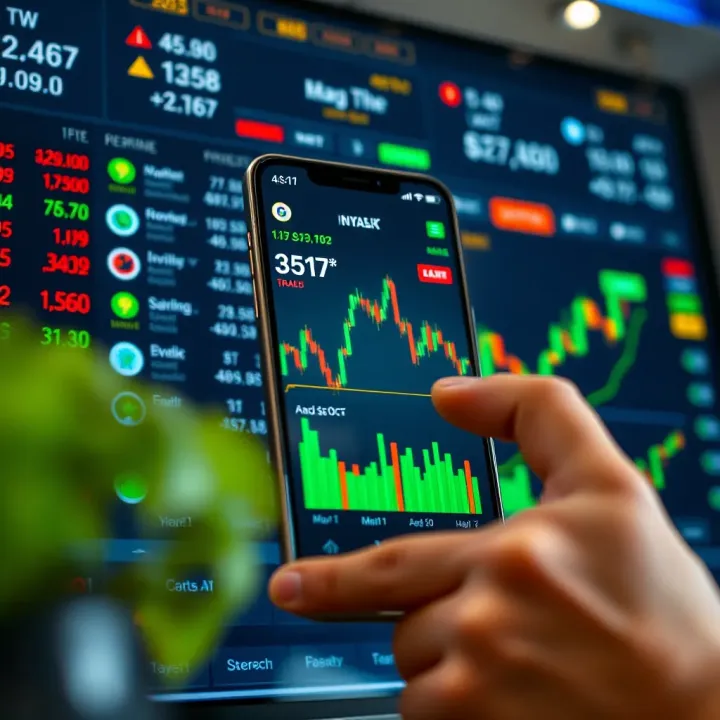
Security is a key aspect to watch. Given that these apps access your bank accounts and securities demat accounts, they must offer strong encryption, two-factor authentication, and comply with SEBI’s regulations. Many traders prefer apps that integrate with UPI for smooth and secure fund transfers during transactions.
User experience plays a valuable role. A clutter-free dashboard, straightforward navigation, and easy access to market data can improve decision-making speed. For instance, apps with live charts, instant alerts, and voice commands tend to enhance trading efficiency.
Integration with India’s financial systems and regulatory environment is non-negotiable. Apps should comply with guidelines from SEBI (Securities and Exchange Board of India) and RBI (Reserve Bank of India). They also must support linking with PAN cards, Aadhaar-ed KYC processes, and allow easy filing of Income Tax Returns (ITR) related to trading profits.
Consider also the availability of additional tools such as margin trading, real-time news feeds, and algorithm-based recommendations. These can help more active traders to execute strategies swiftly.
Fast trading apps blend convenience with technology, but picking one that fits your needs while ensuring compliance and security is essential for better trading outcomes.
In short, look beyond speed. Assess features like security, user interface, regulatory compliance, and Indian payment integrations before you decide on a fast trading app. This approach ensures your investments grow with both agility and safety.
Fast trading apps have become essential tools for Indian investors aiming to keep pace with dynamic stock markets. Their role is especially significant in India, where retail participation has surged alongside digital penetration. These apps offer quick access to market opportunities, helping traders react swiftly and with confidence.
Grasping what makes a trading app "fast" is key to selecting the right platform. This understanding aids investors in maximising favourable moments, managing risks, and reducing losses in volatile markets. For instance, during sharp market swings prompted by domestic events or global cues, a delay of even a second can influence profit or loss significantly.
Transaction speed and execution time refer to the time a trading app takes to process and confirm a buy or sell order. Fast execution reduces slippage — the difference between expected and executed price — crucial for intraday traders in India who rely on tight margins. For example, popular apps like Zerodha Kite and Upstox Pro offer sub-second execution to improve trade outcomes.
Real-time market updates mean the app delivers live price feeds, volumes, and market depth without lag. In Indian markets known for rapid moves, receiving accurate tick-by-tick data directly influences decision-making. Apps must handle frequent data bursts during trading hours without freezing or delays to keep users alert to sudden changes.
Low latency infrastructure involves technologies and server locations that minimise delay between the exchange and the trader’s device. Using servers near NSE or BSE data centres, along with optimised network protocols, reduces lag. This infrastructure ensures swift transmission of orders and market data, which is vital for investors deploying algorithmic strategies.
Opportunities in volatile markets often last only moments. Consider a scenario: India announces a surprise policy change; stock prices may respond instantly. Traders using fast apps can capture quick gains or exit losing positions ahead of wider market reactions, enhancing returns and reducing exposure.
Impact on order execution and pricing is direct because slower apps risk executing orders at prices less favourable than intended. This is costly where price fluctuations occur within seconds. Also, fast order execution helps investors avoid partial fills or rejections common during peak hours.
Effect on intraday traders and high-frequency trading (HFT) is pronounced. Intraday traders require split-second decisions; a delay means missed entry or exit points. HFT firms in India depend on milliseconds-level speed to execute thousands of trades daily for profits. While retail investors may not reach such speeds, using fast apps narrows the gap substantially.
In stock trading, a second can make the difference between profit and loss. Fast trading apps are not just convenience; they enable smarter, timely trading decisions aligned with India's fast-moving markets.
Investors choosing apps must weigh these aspects carefully. Speed, real-time data, and infrastructure collectively determine the effectiveness of trading in India's evolving financial ecosystem.
Fast trading apps have redefined how retail investors in India engage with the stock market. To make the most of these platforms, you need to focus on specific features that enhance your trading experience and performance.

Simplicity in order placement is crucial in a fast trading app. When markets move quickly, every second counts. A cluttered or complicated interface can cause delays, leading to missed opportunities or unfavourable pricing. Look for apps where placing a buy or sell order requires just a few taps or clicks. For example, Zerodha’s Kite app enables traders to execute market or limit orders swiftly without navigating through multiple screens.
Equally important are customisable dashboards. Traders have varying preferences—some focus on indices, others on specific sectors or stocks. Custom dashboards let you arrange information and charts so that your watchlist, order book, and portfolio are front and centre. This personalised setup reduces the scramble to find critical data during market volatility, thus streamlining decision-making.
Finally, accessibility on mobiles and desktops matters because you may not always be at your desk. Apps that provide seamless experience across devices mean you can track and trade even during commute or breaks. Take Groww or Angel Broking, both offering robust mobile apps and desktop platforms, so you don’t lose touch with the market regardless of where you are.
Fast trading apps that support UPI payment integration enable instant fund transfers without the hassle of manually entering bank details or waiting for bank transfers to clear. This boosts liquidity for intraday trades. Paytm Money, for instance, uses UPI to let investors add funds instantly, helping them grab time-sensitive opportunities.
Seamless KYC and Aadhaar verification remove onboarding friction. Instead of lengthy manual document uploads, integrated e-KYC processes link directly with Aadhaar data to quickly verify identity. This is essential for new investors who want to start trading without delays or repeated paperwork.
A well-designed app also supports linking bank accounts for instant fund transfers and withdrawals. Direct tie-ups between trading accounts and banks ensure you can swiftly transfer profits or add money without waiting days. ICICI Direct, with its integration with ICICI Bank, facilitates smooth cash flow movements, essential for active traders.
Successful trading depends on reliable analysis. Apps offering technical indicators and patterns like Moving Averages, RSI (Relative Strength Index), MACD (Moving Average Convergence Divergence) help investors spot trends and potential reversals. For instance, Upstox’s charting tools provide a variety of indicators ideal for intraday and swing traders.
Access to historical data and backtesting lets traders test their strategies against past market movements. This feature builds confidence and reduces guesswork. Platforms like Zerodha Kite allow backtesting on daily and intraday charts, helping traders refine their approach before risking real money.
Alerts and notifications are indispensable. Whether it is a price hitting your target, breaking support, or news about stocks in your portfolio, timely alerts ensure you stay ahead. An app that pushes relevant notifications directly to your mobile or desktop keeps you in the loop without constantly watching the screen.
Picking a fast trading app involves balancing speed with smart features that match your trading style. Prioritise easy order placement, integration with Indian financial systems, and powerful analysis tools. These features combine to give you an edge in the competitive Indian stock markets.
Security and regulatory compliance form the backbone of any fast trading app, especially for Indian investors. Assessing these ensures confidence not just in the app’s technical robustness but also in its adherence to legal frameworks, safeguarding your investments and data.
Securing user information is paramount in fast trading apps because they handle sensitive data like bank details, PAN numbers, and trading behaviour. Apps must use strong encryption protocols like AES-256 to protect this information during storage and transmission. For instance, top apps encrypt personal data end-to-end, preventing hackers from intercepting it when you execute a trade or update your account details.
Transaction safety measures cover steps to keep financial dealings safe from fraud or unauthorised access. Encryption alone isn’t enough; the app should monitor transactions in real-time to detect suspicious activities such as rapid fund transfers or unusual trade volumes. Some apps have built-in fraud detection systems that alert users instantly if something unusual happens, reducing the risk of loss.
Two-factor authentication (2FA) adds an essential security layer beyond just passwords. When enabled, users must verify their identity using a second device or method — typically an SMS OTP or authenticator apps like Google Authenticator. This practice is particularly useful to block unauthorised access even if login credentials are compromised. The option to enable 2FA is vital for any serious investor using fast trading apps.
SEBI guidelines for trading platforms ensure that trading apps operate transparently and fairly. SEBI mandates measures like proper customer grievance redressal systems, prevention of insider trading, and clear communication of brokerage charges. For example, apps must disclose all fees upfront to avoid hidden costs. Knowing that the app complies with SEBI norms reduces regulatory risk for users.
RBI rules on payments and settlements regulate the flow of funds during trades and ensures settlements happen in a secure and timely manner. Fast trading apps integrating UPI or net banking must conform to RBI’s instructions around payment authentication, refunds, and settlement timelines. Compliance assures that your funds aren’t stuck or mishandled, especially during volatile market hours.
Audit and reporting standards help maintain transparency and accountability. Trading platforms in India are often subject to regular audits by third parties or regulators to verify compliance with financial controls and operational norms. These audits protect investors by detecting irregularities early. An app that regularly publishes audit compliance reports demonstrates commitment to maintaining trustworthiness.
Investing through fast trading apps that prioritise security and follow Indian regulations provides peace of mind, letting you focus on strategy rather than worrying about risks.
In summary, reviewing data protection, transaction safety, two-factor authentication, and compliance with SEBI and RBI rules is essential before choosing a fast trading app. These factors collectively guard your money, data, and trading rights in India’s evolving financial ecosystem.
Fast trading apps have reshaped how Indian investors approach the stock market. They offer clear advantages but come with their own set of challenges. Understanding these is essential for anyone looking to pick the right app and trade efficiently.
Higher chances of profit with quick trades: Fast trading apps allow investors to place orders faster than traditional platforms, which is vital in volatile markets like India’s. For example, during sudden market movements triggered by economic announcements or global cues, the speed of execution can mean grabbing profit opportunities before prices shift. This agility particularly benefits intraday traders who rely on quick entries and exits to make profits.
Accessibility for tier-2 and tier-3 city traders: Many fast trading apps have mobile-friendly designs and work well even on moderate internet connections. This opens up stock market participation for investors outside major metros like Mumbai or Bengaluru. For instance, a trader in Jaipur or Coimbatore can execute trades efficiently without needing high-end devices or stable broadband. Such accessibility helps in democratising stock investments across India.
Cost-effectiveness and low brokerage options: Fast trading apps usually offer competitive brokerage plans, some even zero brokerage on equity delivery or discounted rates for intraday trades. Zerodha and Upstox are examples where traders enjoy these cost benefits. Lower charges mean more returns stay with investors, making frequent trading more feasible without eroding profits.
Connectivity and network delays: Even the fastest trading apps rely heavily on internet speed and network reliability. Users in areas with unstable connectivity often face delayed order executions, which can cause missed trading opportunities. During peak market hours, network traffic can slow down even reliable providers, affecting the app’s responsiveness.
App crashes and performance glitches: No software is completely immune to crashes, and trading apps sometimes falter under heavy loads or due to bugs. Imagine trying to sell a volatile stock but facing an app freeze—this can lead to significant losses. Fast trading apps need regular updates and stable back-end support to minimise such issues.
Learning curve for beginners: These apps often pack many advanced features like real-time charts, technical indicators, and order types. For new investors, getting comfortable with the interface and features takes time. Without proper guidance, beginners might place unintended orders or miss alerts, impacting their trading outcomes.
While fast trading apps bring powerful tools to retail investors’ fingertips, being aware of their challenges helps users make informed choices and trade confidently.
By balancing the pros and cons, traders in India can select apps that match their needs and trading style, making the most of this digital evolution in stock trading.
Choosing the right fast trading app is essential for navigating India's dynamic stock markets efficiently. The right app not only speeds up trade execution but also offers features tailored to Indian investors' needs, such as integration with local payment systems and adherence to SEBI regulations. Considering factors like costs, user experience, and platform reliability can significantly impact your trading success.
Brokerage charges and hidden fees play a big role in your overall profitability. While some apps advertise low brokerage, they may add extra costs for services like real-time data, order modifications, or withdrawals. For instance, Zerodha offers flat brokerage for equity delivery but charges fees on intraday trades. Checking the fine print is crucial to avoid surprises that could eat into your gains.
User reviews and ratings provide real-world insights into an app's performance. Feedback from actual traders highlights issues like server downtime during volatile periods or poor user interface on older mobiles. Platforms like Google Play Store and Apple App Store feature detailed reviews that can help spot consistent problems or praise, making your choice more informed.
Customer support quality ensures problems get resolved quickly, especially during critical trading hours. Apps with responsive support via chat or phone, like Groww and Upstox, help investors manage technical glitches and transactional queries in real time. Slow or unhelpful support can cause losses if issues delay trade execution or fund transfers.
Testing execution speed through demo accounts or trial versions lets you check if the app keeps pace with rapid market movements. This is particularly important when watching volatile stocks like small-cap shares where seconds matter. For example, apps like Angel Broking offer trial modes where you can simulate real trades and assess order processing times.
Familiarising with features lets you understand key tools such as advanced charting, alerts, and order types without risking capital. This hands-on practice helps narrow down apps with interfaces that suit your trading style. A novice might prefer simple layouts, while experienced traders look for customisable dashboards and detailed technical indicators.
Evaluating app stability means checking how often the app crashes or freezes during heavy market hours. An unstable app can lead to missed opportunities or incorrect order placements. It's wise to spend a few days using the app during peak trading times to see if it handles the load well. Stability is crucial especially during events like budget announcements or market corrections.
A fast trading app is not just about speed—it must offer reliability, cost transparency, and user-friendliness to truly benefit Indian investors.
By carefully comparing costs, browsing real user feedback, and testing apps before fully committing, you can find a trading platform that fits your goals and trading habits effectively.
Learn how free demo trading helps Indian investors practise securities buying and selling risk-free 🛡️. Discover practical tips, avoid pitfalls, and boost your confidence before real trading.
📱 Discover the best real trading apps in India! Learn features, security, and tips to trade smartly and meet your financial goals with confidence. 💹
📱 Curious about RBI approved trading apps? Learn how they secure your investments, top choices in India, and key tips for safe trading. Stay informed and trade smart!
Explore the Quotex app 📱 for safe trading in India 🇮🇳. Learn features, instruments, tips 🚀 & how to start confidently with ease and insight.
Based on 6 reviews