
Best Trading Websites for Indian Investors
📈 Find the best trading website for Indian investors by comparing fees, security, usability, research tools, and mobile access. Make smart, secure investments today!
Edited By
James Cartwright
Selecting the right mobile phone is vital for traders and investors in India who need fast, reliable access to market data, trading apps, and transaction platforms. A phone that lags or crashes during critical moments can cause missed opportunities or errors that affect profits.
Trade apps demand real-time updates, smooth multitasking, and secure payment options. Phones that support these features help you stay ahead of volatile markets.

A solid mobile device translates to quick decision-making on-the-go, which is often the difference between gains and losses.
Here are some key features to focus on when choosing a phone for trading:
Processor and RAM: Look for phones with at least an octa-core processor and 6GB RAM. This ensures fast loading times and the ability to run multiple apps simultaneously without slowdown.
Display: A clear, bright display of minimum 6 inches helps you read charts and news easily, even in daylight. AMOLED screens with high refresh rates enhance the experience.
Battery Life: Trading may keep you glued to the screen for hours. Phones with batteries over 4000mAh or fast charging help avoid downtime.
Security: Biometric locks (fingerprint or face unlock) and regular software updates help secure your trading apps and transactions against fraud.
Network Connectivity: Support for 4G or now increasingly 5G networks is essential for uninterrupted data flows.
Given India’s price-sensitive market, it’s useful to balance cost with performance. Brands like Xiaomi, Realme, Samsung, and OnePlus offer models that fit various budgets without compromising these essentials.
In the following sections, we will compare specific models that meet these criteria and share tips to maintain your device for peak trading performance.
Choosing a mobile phone suitable for trading is more than just grabbing the latest model. Traders require specific features that ensure real-time access to market data, smooth multi-tasking across apps, and secure transactions. Without focusing on these essentials, even a premium mobile may hamper your trading efficiency.
The clarity of charts and graphs depends largely on the mobile’s screen resolution. A high-resolution display allows you to spot subtle price movements and technical indicators without straining your eyes. For example, a 1080p (Full HD) resolution or above provides decent sharpness, enabling you to track volatile stocks using trading apps like Zerodha Kite or Upstox seamlessly.
While a larger screen allows for better visibility, it should be balanced against portability. A size between 6.1 to 6.7 inches usually works well, offering ample space to view multiple indicators and candlestick charts clearly. Phones like the Xiaomi Redmi Note 12 or Samsung Galaxy M32 fall into this range, making it easier to monitor trades without constantly zooming in.
Trading often requires running several applications simultaneously—marketwatch, news updates, chat on WhatsApp groups, and other tools. A mobile equipped with at least an octa-core processor and 6GB RAM can manage these apps smoothly. Lag or freezing during market hours can cost money, so phones powered by Snapdragon 695 or MediaTek Dimensity 920 chipsets strike a fair balance of performance and affordability.
Fast processors combined with adequate RAM ensure that live data streams refresh instantly on your screen. This real-time update ability is critical when placing orders or reacting to sudden market swings. Otherwise, delayed notifications or frozen screens might cause missed opportunities or losses.
Stock markets in India remain open for around six hours daily, but tracking trades often extends beyond official timings. A mobile with battery capacity above 4000 mAh usually lasts throughout trading sessions without needing a recharge. Devices like the Realme Narzo 60 provide such endurance, allowing traders to stay connected during key moments.
If your mobile runs low during the day, fast charging comes handy. Chargers offering 30W or higher can restore decent battery levels quickly during short breaks, letting you jump back into trading without delay. This feature is especially useful for active day traders with tight schedules.
A reliable internet connection is non-negotiable for trading. Support for both 4G and increasingly 5G networks ensures uninterrupted data flow, even in crowded city areas or tier-2 towns. Combined with quality carriers like Jio, Airtel, or Vodafone Idea, a 5G-enabled phone guarantees you won’t miss crucial market updates.
Besides mobile data, strong Wi-Fi support is helpful when trading from home or office setups. Bluetooth remains relevant for connecting wireless earbuds or keyboards if you use your phone for detailed analysis or video calls during research.
Trading apps contain sensitive personal and financial details. Mobiles featuring fingerprint sensors or facial recognition offer quick yet secure access. This prevents unauthorised use if your phone gets misplaced, adding an important layer of safety without complicating usability.
Look for devices with built-in encryption hardware and regular security patches. Many Indian traders use UPI payments and bank apps for quick fund transfers. Ensuring your mobile supports secure communication protocols reduces risks of data theft or hacking attempts during trading.
A phone that weighs all these key features carefully can make your trading experience smoother, safer, and more responsive—essential when quick decisions can lead to profits or losses.
By choosing mobiles that match these criteria, traders in India get one step closer to trading success on the go.
Choosing the right mobile brand and model matters a lot when trading in India. Different mobiles offer varying levels of performance, durability, and security that directly affect how you manage trades. Picking a trusted brand ensures you get timely software updates and good after-sales support, which are important to keep your trading smooth and secure.
Mobiles under ₹15,000 generally come with entry-level processors and limited RAM, which can handle basic trading apps like Zerodha Kite or Groww but may struggle with multiple apps running simultaneously. You might notice occasional lags during heavy real-time chart updates or when switching between apps. However, for casual traders who primarily check positions and receive alerts, these phones are sufficient.
Popular models include the Redmi 10A and Realme Narzo 50i Prime, which offer decent performance and battery life within this price range. These mobiles provide acceptable display quality and basic security features like fingerprint sensors, facilitating secure logins. While they won’t blow you away with speed, they’re reliable enough for straightforward trading without burning a hole in your pocket.
Mid-range mobiles priced between ₹15,000 to ₹30,000 strike a good balance. They pack better processors like the MediaTek Helio G80 or Qualcomm Snapdragon 680, 4GB or 6GB RAM, and larger displays, which help handle multiple trading apps and heavy charting smoothly. These phones also tend to have higher resolution screens, offering clearer visuals for detailed graphs and reports.
Models such as the Samsung Galaxy M13, Poco X4, and Realme Narzo 50 Pro shine in this segment. They support faster 4G/5G networks, improving real-time data feeds. The inclusion of features like Gorilla Glass and better battery capacities means these phones withstand long trading sessions and accidental drops better than budget options.
Top-end mobiles deliver powerful processors (like Qualcomm Snapdragon 8 Gen 2), 8GB or more RAM, OLED displays with excellent colour accuracy, and high refresh rates. These features allow seamless multi-tasking across trading platforms, faster live chart updates, and reduced eye strain during long hours. Moreover, advanced security options like in-display fingerprints and facial recognition strengthen transaction protection.
Flagship devices like the Samsung Galaxy S23 Ultra, Apple iPhone 14 Pro, and OnePlus 11 are widely preferred. They offer premium build quality, extended battery life with fast charging, and software optimisations that ensure uninterrupted, smooth trading. Such mobiles are ideal for traders handling multiple accounts or using research-heavy apps requiring substantial processing power.
Selecting a mobile aligned with your trading needs helps avoid lags, missed alerts, or security risks, making your trading experience efficient and hassle-free.
Choosing a mobile phone based on your trading style can save you from frustrations and missed opportunities. Different traders have varied needs—one may focus on quick, last-minute decisions, while another may need detailed research and charting tools. Aligning your phone’s capability with how you trade will ensure better efficiency and smoother experience.
Casual traders mostly look for balance between usability and affordability. They don't need high-end specs but want a device that runs common trading apps without lag. Phones priced under ₹15,000 to ₹20,000 with decent processors like Qualcomm Snapdragon 4-series or MediaTek Helio chips work well here. For example, Redmi Note 12 or Realme Narzo models offer sufficient power for basic app use while keeping costs in check.
Essential features for casual traders include a clear display and stable network support. While the screen doesn’t need to be huge, it should be sharp enough to read candlestick charts and order books comfortably. A battery that lasts the full trading session without constant charging helps avoid disruptions. Since casual traders may use fewer apps at once, 4 GB RAM and 64 GB storage generally suffice.
Active day traders require a phone that can handle intense multitasking and quick app switching. High-speed processors such as Snapdragon 7-series or better are ideal, paired with 6 GB or more RAM. This allows running multiple trading apps, news updates, and messaging platforms simultaneously without delays. For instance, Samsung Galaxy M33 or iQOO Z6 cater to this segment with smooth performance and responsive screens.
Battery life is another key point. Since active traders monitor markets over many hours, phones with 5000mAh or higher capacity are useful. Fast charging support also matters; a 30W or more charger can recharge the phone quickly during short breaks. Connectivity should not be overlooked—reliable 4G/5G and Wi-Fi help stay connected in fast-moving markets, especially in tier-2 cities where network strength varies.
Investors who depend on detailed reports and charts need phones with excellent display clarity. Full HD+ or AMOLED screens with accurate colour reproduction ease eye strain during long analysis periods. Devices like OnePlus Nord CE or Samsung Galaxy A52 stand out with sharp, bright displays well-suited for reading financial PDFs and interactive charts.
Storage and multitasking capabilities support frequent switching between large documents, news feeds, and spreadsheet apps. 128 GB storage or more is preferable to store downloaded reports locally. RAM of 8 GB or above ensures smooth multitasking without the system slowing down. Solid-state performance also allows quick open-and-close times for heavy apps, improving investor productivity.
Choosing the right mobile phone tailored to your trading style can make your market engagement more efficient and less stressful. Whether you are casual, active, or research-focused, a well-informed choice lets you stay ahead with confidence.
Optimising your mobile is essential to make the most of your trading experience. A well-maintained device ensures faster access to market updates, smoother app performance, and tighter security for your transactions. For traders dealing with volatile Indian markets, even seconds matter, so keeping your phone ready and secure is a smart move.
India offers several trading apps tailored to different needs. Popular options include Zerodha’s Kite, ICICI Direct, Upstox, and Angel Broking. These apps provide real-time charts, order placements, and alerts. Choosing a reliable app with an intuitive interface and strong backend support reduces downtime and technical glitches during critical trading hours.
Ensuring your app stays updated is equally important. App developers regularly release patches to fix bugs and enhance security. Ignoring these updates can leave you vulnerable to cyber threats or cause data lag. Always download trading apps from trusted sources like the Google Play Store or Apple App Store to avoid fake or compromised versions.
Trading apps send frequent alerts, but not all deserve your immediate attention. Customising notifications to filter out routine updates helps you focus during crucial market movements. For instance, you can prioritise price alerts for stocks you trade actively and mute less urgent news like general market summaries.
Besides reducing distractions, prioritising important updates also helps manage your battery and data usage, which is crucial when trading on the move. Use your mobile’s built-in notification settings to create categories or use app features to set thresholds, so you receive alerts only when a stock hits your specified price or volume.
Trading involves sensitive financial information, so safeguarding your device matters. Using a Virtual Private Network (VPN) when connecting to public Wi-Fi shields your data from snoopers. VPNs encrypt traffic, making it difficult for hackers to intercept your credentials or transaction details.
Regularly updating your phone’s software and backing up data are simple but effective steps. Software updates patch security gaps and improve performance. Backups protect you from data loss due to accidental deletion or malware attacks, ensuring your trade histories and login details are always safe. Store backups in secure cloud services or external drives.
A few minutes spent on mobile optimisation can save you from costly errors and data breaches. It also helps you stay ahead in the fast-paced Indian stock market where timing and accuracy are everything.
Indian traders face unique challenges and opportunities when selecting a mobile phone for trading. Factors like budget flexibility, network reliability in smaller cities, and app availability can heavily influence the trading experience. These considerations help ensure smooth market access, timely updates, and secure transactions tailored to Indian realities.
Many Indian traders prefer to spread the cost of their mobile phones using Equated Monthly Installments (EMI). Popular brands such as Xiaomi, Samsung, and Realme offer EMI schemes through major e-commerce platforms and partner banks. These plans allow buyers to purchase higher-end phones without the upfront burden. For example, some Xiaomi models provide zero-interest EMI options for 6 to 12 months via banks like HDFC or ICICI, making premium features more accessible.
Balancing cost with necessary features is key, especially for traders who rely on smooth performance but may not want to invest heavily. A mid-range phone with 4GB to 6GB RAM, a decent processor, and solid battery life often meets trading needs without breaking the bank. Prioritising core features like real-time data updates and reliable connectivity while keeping within a budget helps traders avoid overspending on unnecessary specifications.
Network coverage remains patchy in many tier-2 and tier-3 cities across India, affecting traders who depend on constant market updates. While 4G and 5G connections are widespread in metros, smaller towns often face slower speeds or intermittent signals, causing delays or app freezes during critical trading moments. It’s crucial for traders in these areas to choose phones that support dual SIMs and multiple bands to switch between networks flexibly.
Offline functionality is another important factor. Some trading apps provide features like downloadable charts, offline research materials, and delayed order entry that let traders manage trades even when connectivity falters. For instance, apps like Zerodha Kite and Upstox allow offline viewing of saved data or offline order placement requests that execute once the connection stabilises. Opting for apps with these capabilities, combined with mobile phones offering sizeable storage, improves resilience against connectivity hiccups.
In the Indian trading landscape, understanding budget plans and connectivity realities ensures your mobile phone is a dependable trading partner rather than a hindrance.
By considering these factors, traders can make informed choices that reflect both their financial situation and the infrastructure around them, ultimately leading to better trading outcomes.
📈 Find the best trading website for Indian investors by comparing fees, security, usability, research tools, and mobile access. Make smart, secure investments today!
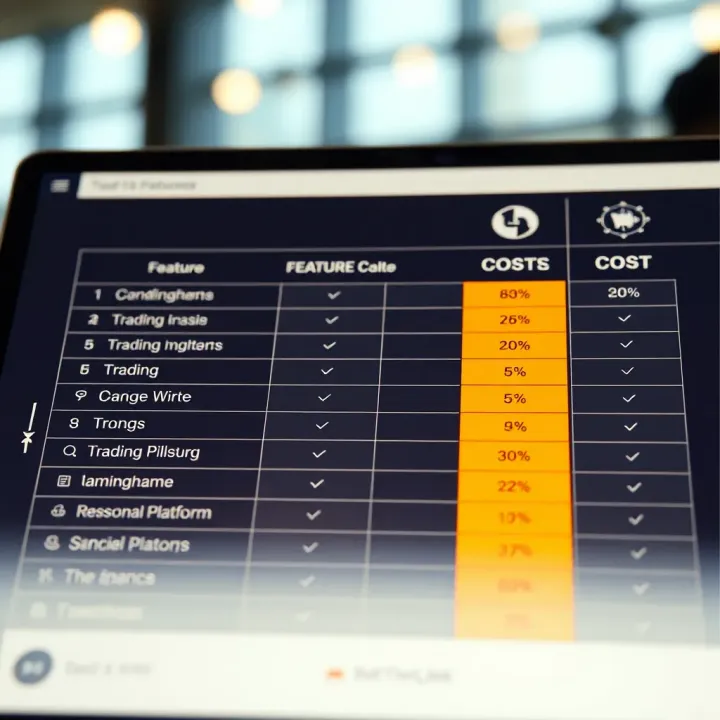
Explore top trading platforms for Indian investors 📈. Compare features, costs, support & tools to pick the best fit for your investment goals and style.
Explore the best trading apps in India 📱! Compare features, ease of use & investor suitability to pick the ideal app for your goals and safe investing tips.
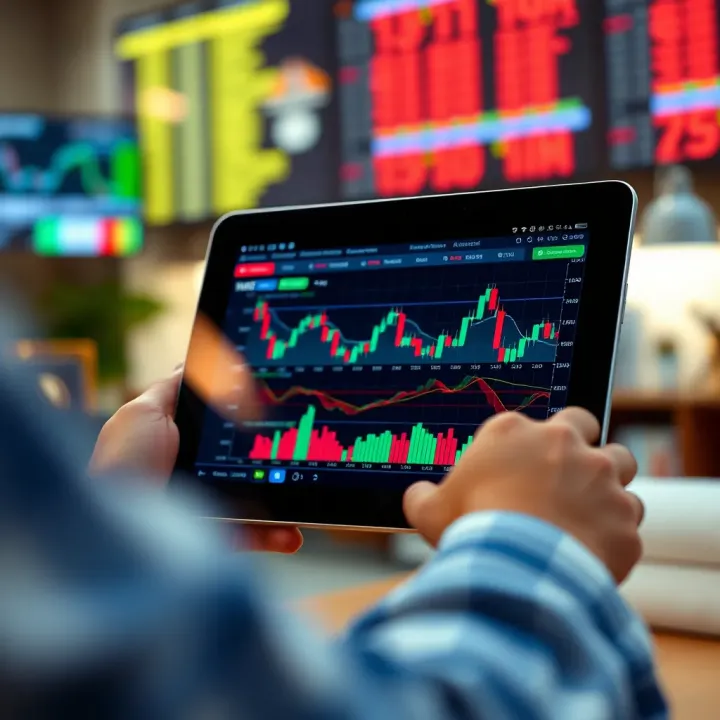
📱 Discover the best tablets for trading in India! Explore top models with great connectivity, security, and portability tailored for stocks, forex & crypto traders.
Based on 6 reviews