
Guide to Free Colour Trading Websites in India
Discover top free colour trading websites in India 🎨 Learn key features, explore popular platforms, and maximise benefits for your business or personal use today!
Edited By
Matthew Collins
Selecting the right trading website can make a significant difference to your investment journey in India. With numerous platforms out there, each offering distinct features and fee structures, knowing what to prioritise helps you avoid costly mistakes.
Indian investors typically look for a balance between cost, security, and ease of use. For instance, platforms like Zerodha and Upstox are popular for their low brokerage fees and user-friendly interfaces. Meanwhile, ICICI Direct and HDFC Securities attract those who prefer full-service offerings, including advisory support and research tools.

A trading website is your primary gateway to markets like NSE (National Stock Exchange) and BSE (Bombay Stock Exchange), so its reliability and security cannot be compromised.
Key factors to evaluate include:
Security Measures: Look for two-factor authentication and encryption standards. SEBI regulates these platforms, so make sure your chosen site complies.
Brokerage and Fees: Some charge flat fees per trade, others a percentage. For frequent traders, low or zero brokerage platforms save a lot.
User Interface: A cluttered, slow website or app leads to missed opportunities. Platforms with intuitive designs like Angel One or 5Paisa often cater well to beginners.
Research Tools: Real-time market data, charting, and news feeds make a huge difference for decision-making.
Mobile Accessibility: In India, many investors trade via mobiles. A robust app enhances flexibility.
By focusing on these practical aspects, you can narrow down choices to the trading website that fits your style and goals. This guide will help you understand these features clearly and choose the best platform for your investment needs in India.
When selecting a trading website, Indian investors must prioritise core features that affect usability, access to instruments, and execution quality. A well-designed platform should simplify trading, provide diverse options, and respond swiftly to market changes. These factors together impact your overall trading success and help avoid common pitfalls.
A straightforward account opening is the first step to hassle-free trading. Investors appreciate platforms that require minimal paperwork and support e-KYC (electronic Know Your Customer), speeding up verification. For example, Zerodha and Upstox allow you to complete registration online within a day itself, helping you begin trading quickly without visits to physical branches.
A clutter-free, intuitive dashboard makes it easier to monitor investments. When you can check your portfolio allocation, profit/loss, and market watchlists at a glance, you make faster decisions. For instance, Angel Broking's dashboard highlights key metrics without overwhelming you with data, which is useful for active traders tracking daily movements.
Efficient trading requires quick order placement and the ability to modify or cancel orders with minimal clicks. This is crucial during volatile sessions when delays can cost dearly. A platform with a responsive trade panel and support for multiple order types (limit, market, stop-loss) like Sharekhan supports a smoother trading experience, reducing the risk of errors.
A broad selection of instruments allows diversification and catering to different strategies. Stocks form the core for most Indian investors, but derivatives like futures and options help hedge or speculate. Exchange-traded funds (ETFs) offer exposure to indices and commodities with lower costs. Platforms like ICICI Direct offer all three, enabling more flexible investment plans.
Access to mutual funds directly through the trading website simplifies portfolio building without managing separate accounts. Bonds and debt instruments add stability and fixed income options, crucial for conservative investors. For example, Paytm Money integrates mutual fund purchase and bond listings, which is convenient for those rebalancing between equity and debt.
Growing interest in IPOs (Initial Public Offers) and commodities like gold and silver means top trading websites now include these to widen choices. Mini-mum investment amounts and direct allotment processes attract fresh investors. Platforms such as Motilal Oswal facilitate IPO applications and commodity trading seamlessly, keeping investors ready for market opportunities.
Timely data is critical for making smart trades. Real-time quotes and live market depth help you gauge demand and supply precisely. Slow or delayed pricing can lead to wrong decisions, especially in intraday trading. That's why NSE and BSE data feed integration is standard on reliable platforms to reflect exact market conditions.
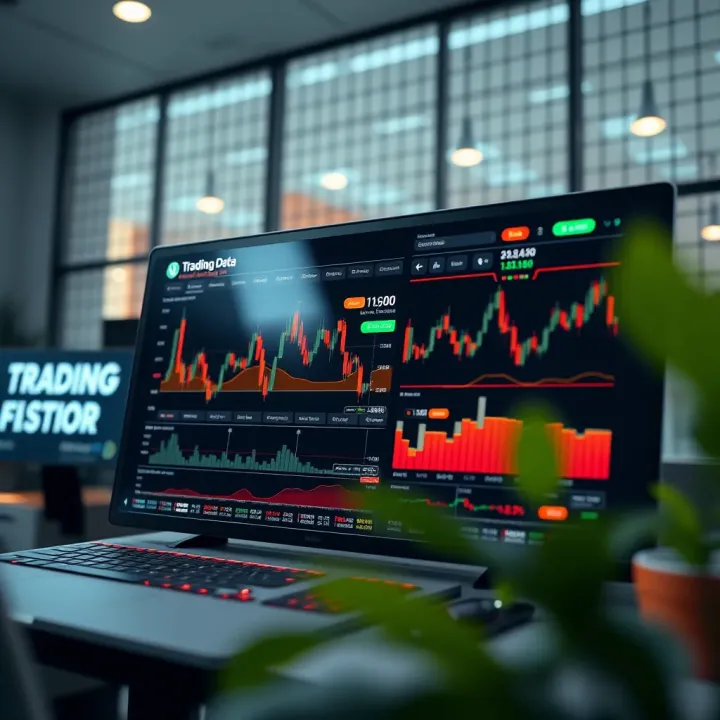
Order slippage happens when your trade executes at a price different from what you requested, leading to unexpected losses. Trading websites that connect efficiently with the exchange servers and minimise latency usually see less slippage. Investing through platforms like 5paisa can reduce slippage risks, protecting your transaction value.
During sudden market swings, web traffic spikes heavily. A stable trading website keeps functioning without lag, allowing uninterrupted order placement. Websites with robust backend infrastructure like Zerodha ensure system uptime even on days like budget announcements or RBI rate decisions, when millions trade simultaneously.
Choosing a trading website with these key features — user-friendly interface, diverse instruments, and fast, reliable execution — equips you for smoother investing and better control over trades.
In today’s digital trading environment, security and compliance are not just box-ticking exercises — they directly impact the safety of your investments and personal data. For Indian investors, understanding the security features and regulatory adherence of a trading website helps to pick platforms that protect against fraud, data breaches, and operational risks.
Secure Socket Layer (SSL) protocols secure communication between your device and the trading platform. When you see a padlock symbol on the website URL, it means SSL encryption is active, preventing hackers from intercepting sensitive information like your login credentials or transaction details. For example, without SSL, entering your PAN card or bank details while buying stocks could expose you to cyber theft.
Two-factor authentication (2FA) adds an extra layer of security by requiring a second verification step beyond the password. Popular trading platforms like Zerodha and Upstox use 2FA where you receive a one-time password (OTP) on your mobile or email. This practice stops unauthorised access even if someone guesses or steals your password, which itself is common in phishing attacks.
Regular security audits mean the trading website periodically assesses its technical defences and procedures. These audits look for vulnerabilities and test cyber-defence mechanisms to ensure the platform stays ahead of new threats. A constant upgrade of security protocols is critical — like how shares markets face high-volume trades during volatile times, robust cybersecurity prevents system crashes or data leaks during peak usage.
Any credible trading platform must be registered with the Securities and Exchange Board of India (SEBI), the primary regulator governing securities markets. SEBI registration assures investors that the platform operates under strict rules aimed at protecting consumer interests and maintaining market integrity. For example, SEBI regulates margin requirements and trading halts to prevent unfair trading practices.
Stock exchanges such as the National Stock Exchange (NSE) and Bombay Stock Exchange (BSE) play a key role in compliance. Trading websites link directly to these exchanges for order execution and settlement. Being recognised by NSE or BSE ensures the platform follows standard procedures for transparency, price discovery, and timely trade settlement. Platforms without such association pose risks as they might not deliver trades reliably or could be operating unofficially.
Lastly, look for an established investor grievance redressal system. SEBI mandates trading platforms to have dedicated mechanisms for addressing complaints about order failures, delayed settlements, or unauthorised charges. A clear process with timelines to resolve issues builds trust and provides you recourse if things go wrong. Registered brokers usually publish contact details and escalate unresolved matters to SEBI’s Investor Protection and Education Fund.
When choosing a trading website, security protocols like SSL and 2FA keep your account safeguarded, while SEBI registration and exchange recognition ensure that your trades happen within a trusted legal framework. Don't compromise on these fundamentals.
Selecting a trading platform without verifying these security and compliance pillars is like leaving your valuables unattended. Engaging with compliant and secure websites ensures your investments and data stay protected, particularly in a market shifting increasingly to online only access.
Understanding cost structures and transparency is vital when selecting a trading website. Fees directly affect your net returns, especially if you trade frequently or invest in large volumes. Transparent platforms help you avoid unpleasant surprises like hidden costs that can quietly chip away at your profits.
You’ll generally encounter two main brokerage fee models: flat fees and percentage-based commissions. Flat fees charge a fixed amount per trade, regardless of the trade size. For example, a platform might charge ₹20 per order, making it cost-effective for large trades but potentially expensive for small ones. Percentage-based brokerage, on the other hand, charges a fraction (say 0.05%) of the total trade value, which might work better for smaller investments.
Selecting between these models depends on your trading style. Suppose you trade small volumes regularly — percentage-based fees could add up quickly. Meanwhile, flat fees favour active traders placing larger orders. Platforms like Zerodha and Upstox offer flat fee structures, making costs predictable, unlike some traditional brokers who still charge percentage fees.
Hidden charges and transaction fees can catch investors off-guard. Beyond brokerage, trading websites may levy fees like Securities Transaction Tax (STT), Goods and Services Tax (GST), stamp duty, and exchange transaction fees. Often, these are bundled into the total cost, but some platforms might list additional processing charges or levies on deposits and withdrawals. Ignoring these can make a supposedly low brokerage account more expensive overall.
Always review the fee schedule carefully and ask customer support about any unclear charges. For instance, if you miss knowing about a ₹100 withdrawal fee, it could add up over multiple transactions yearly.
Fees impact short-term and long-term traders quite differently. If your strategy is day trading or intraday, the cost of each trade adds up fast, so low brokerage and zero hidden fees become essential for profitability. On the other hand, if you hold positions for months or years, a small brokerage fee is less impactful compared to the asset’s price movement.
Low-cost platforms benefit short-term traders sharply, whereas long-term investors might prioritise platform features and research over minimal fee differences.
Demat account maintenance comes with charges such as Depository Participant (DP) fees and annual maintenance fees. DP charges are fees for holding your securities electronically and typically range from ₹300 to ₹600 per year. While some brokers waive these if your trading volume surpasses a monthly threshold, others charge regardless, which can reduce your overall returns.
Platforms like ICICI Direct or HDFC Securities usually have annual maintenance fees, unlike discount brokers such as Zerodha, who have lower or no such charges. It’s prudent to factor these ongoing costs, especially if you’re a buy-and-hold investor.
Inactivity penalties are charges levied if you do not trade or maintain your account actively. Many trading websites impose a nominal penalty, say ₹50 to ₹100 per month, if no transactions occur. This is something casual investors should watch out for so that your account doesn't drain funds silently.
Lastly, some platforms charge extra for premium research and advisory services. If you opt for expert reports, market forecasts, or recommendations, expect to pay a monthly fee or per-report charges. While these services add value, especially for beginners or those without the time for market analysis, they raise overall costs and should justify their benefits before subscribing.
Clear understanding of cost structures prevents surprises that can otherwise erode your profits. For Indian investors, especially those trading regularly, transparency in fees is as important as user experience or security.
Taking the time to compare platforms on these criteria will save money and frustrations in the long run.
For Indian investors, having access to effective tools and robust research support on trading websites can make a significant difference in investment decisions. These features enrich the trading experience by providing timely insights, reducing guesswork, and enabling informed portfolio management. When choosing a trading platform, look for comprehensive analytical tools and up-to-date research resources that align with your investment strategy.
Live charts and pattern recognition play a vital role in helping investors track price movements and spot trends in real time. For example, a trader using a platform like Upstox or Zerodha can watch live candlestick charts to identify bullish or bearish patterns within seconds. This immediacy helps investors act promptly, especially in volatile markets where delays can lead to missed opportunities or losses.
Customisable technical indicators allow traders to tailor their analysis according to individual preferences or strategies. Popular indicators such as Moving Averages, Relative Strength Index (RSI), and Bollinger Bands can be adjusted for different time frames or parameters. This flexibility is valuable when trading various instruments, be it equities, derivatives, or commodities, because a one-size-fits-all approach rarely works effectively.
Backtesting and predictive analytics offer a way to assess how a particular strategy would have performed using historical data. Many platforms, including Sharekhan and Angel One, provide tools that enable backtesting of investment ideas against past market conditions. While past performance does not guarantee future results, this feature helps refine strategies by highlighting strengths and potential risks before committing real money.
Access to expert equity reports is crucial for investors who rely on fundamental analysis. These reports, often prepared by experienced analysts, provide detailed insights into company financials, management quality, and industry trends. Trading websites like Groww and ICICI Direct regularly offer such reports, assisting investors to evaluate stocks beyond mere price movements.
Integration of news feeds from credible sources ensures timely delivery of market-moving information. Platforms that aggregate updates from Reuters, Bloomberg, or Moneycontrol allow investors to stay ahead of announcements such as quarterly earnings, policy changes, or geopolitical developments. This integration reduces the need to search multiple websites, helping investors react quickly when news impacts stock prices.
Sector-wise and stock-specific insights narrow down broad market information into focused analysis. For instance, during the earnings season, insights into banking, IT, or pharma sectors help identify outperformers and laggards. Detailed commentary on specific stocks can also highlight risks tied to corporate governance or regulatory factors. This granularity supports more targeted portfolio adjustments.
Effective tools and research support provided by a trading website are not just convenience features — they form the backbone of rational investment decisions, reducing emotional bias and guesswork.
Choosing a trading platform with strong analytical and research capabilities will empower you to navigate the Indian markets with greater confidence and control.
The mobile trading experience has become central for Indian investors who expect quick access and seamless control over their investments anywhere, anytime. A trading app's performance and ease of use directly affect an investor's ability to seize timely opportunities in volatile markets. Choosing platforms that offer smooth mobile functionality and real-time updates is no longer optional — it’s essential.
Quick login and biometric options: Speed and security are crucial on the go. Apps offering quick login methods like fingerprint or facial recognition save precious seconds, especially during fast market movements. For instance, Zerodha’s Kite app supports biometric login that not only protects user data but also avoids the hassle of repeatedly typing passwords. This balance of convenience and safety means traders can jump into action anytime without worrying about unauthorised access.
Streamlined navigation for small screens: Mobile screens demand smart design to avoid clutter and confusion. Effective trading apps use minimalistic layouts where key features such as watchlists, order placement, and portfolio views are easily reachable within a tap or two. Sharekhan’s mobile app, for example, organises its interface to prioritise high-impact information and use collapsible menus for advanced options. This helps investors focus swiftly on market trends without getting lost inside menus or scrolling endlessly.
Availability on Android and iOS platforms: A wide user base in India means trading apps must be available on both Android and iOS. Android’s dominance in India calls for optimisations that work smoothly across diverse device specs—from budget mobiles to flagships. Meanwhile, iOS support ensures traders using Apple's ecosystem don’t lose out. Platforms like Upstox and Angel Broking deliver consistent performance on both platforms, making sure investors can trade on their preferred devices.
Price alerts and order status notifications: Staying informed about price movements and order confirmations directly impacts investor decisions. Alerts help traders set target buy or sell levels and get immediate updates when orders execute or reject. Reliance's moneycontrol app, widely used in India, provides easy customisation to track specific stocks. Receiving a timely notification about a price spike can be the difference between profit and loss.
Market news push notifications: Rapid access to market news affects how traders respond to events such as government policy changes, corporate announcements, or global economic shifts. Many apps integrate live news feeds from credible Indian sources like Bloomberg Quint or Economic Times, pushing important updates straight to your mobile. This reduces the need to switch apps, helping investors digest information quickly and act accordingly.
Customisable alert preferences: Not every notification matters to every user. Customisable alerts allow investors to filter messages based on their strategies—be it price thresholds, volume spikes, or sector-specific news. Groww’s app offers fine-tuned control where users can silence non-relevant notifications during non-trading hours, avoiding unnecessary distractions. This ensures focus remains sharp when markets are live.
Effective mobile trading means marrying speed, reliability, and user-friendly features. Apps that nail quick login, clear navigation, broad device support, and smart notifications enable Indian investors to stay ahead, even from a small screen.
Discover top free colour trading websites in India 🎨 Learn key features, explore popular platforms, and maximise benefits for your business or personal use today!
Explore the best trading apps in India 📱! Compare features, ease of use & investor suitability to pick the ideal app for your goals and safe investing tips.

📱 Discover the best tablets for trading in India! Explore top models with great connectivity, security, and portability tailored for stocks, forex & crypto traders.
Explore top forex trading apps in India 🇮🇳 with features on security, costs, currency pairs & user support. Learn to pick best app & avoid scams safely 📱
Based on 5 reviews