
Quotex India: A Complete Trading Guide
Explore Quotex in India 🇮🇳: Features, account setup, payment methods, legal tips, risks, and practical advice for smarter trading decisions.
Edited By
Matthew Collins
Demo trading online is a practical way for investors and traders to practise stock market strategies without putting real money at risk. It provides a simulated environment that mirrors actual market conditions, which helps users understand trading mechanics and gauge their decision-making skills.
This virtual trading is especially useful for beginners who are still learning about market dynamics, order types, and risk management. It also benefits experienced traders testing new strategies or getting familiar with a trading platform.
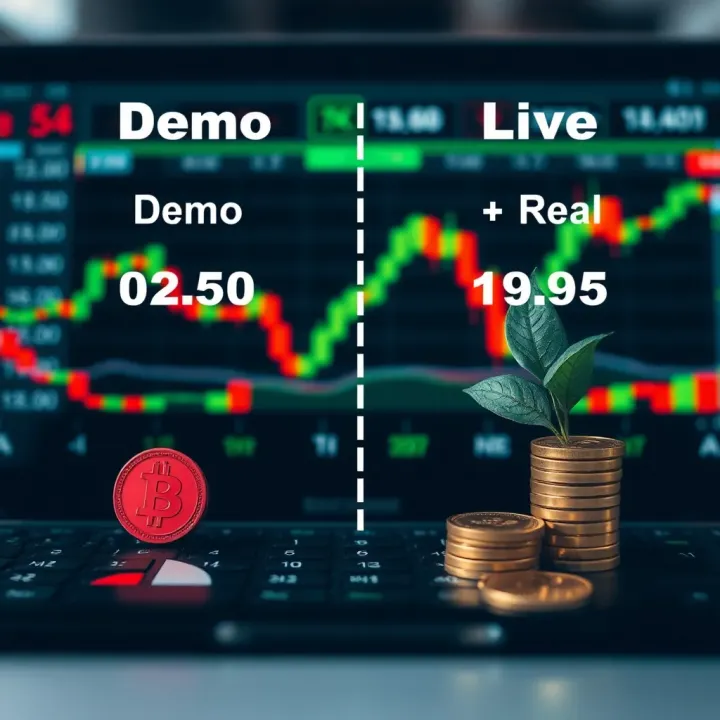
In India, platforms like Zerodha’s Kite, Upstox Pro, and Angel Broking provide demo accounts that replicate the live stock market experience using virtual funds. These accounts usually come with real-time data and access to various financial instruments such as equities, derivatives, and commodities.
Practising with a demo account helps build confidence without the pressure of losing actual money. It also highlights the emotional challenges faced in trading, which is rarely experienced in theoretical learning.
Risk-Free Learning: Understand market trends and operations without financial loss.
Strategy Testing: Try out different trading approaches to see what works best.
Platform Familiarity: Get comfortable with the interface and features of trading tools.
Confidence Building: Gain practical experience that eases the transition to live markets.
To start, all you need is to sign up on a brokerage platform offering a demo account — no deposits required. Spend time executing trades, monitoring results, and analysing mistakes. Practice should focus on realistic trade sizes and strategies so the shift to real trading goes smoothly.
In the sections that follow, we will explore how demo accounts work in detail, outline the top demo trading platforms in India, and share tips to effectively transition from demo to actual trading.
Understanding how demo trading platforms function is essential for anyone looking to sharpen their trading skills without exposing real money to risk. These platforms offer a risk-free environment where traders can learn market mechanics, experiment with strategies, and get used to trading software interfaces common in India.
Demo trading refers to practising buying and selling financial instruments like stocks, commodities, or currencies using simulated money instead of actual funds. The key objective is to learn how markets work and build trading skills without incurring financial loss. For instance, a beginner who chooses Zerodha Kite’s demo account can familiarise themselves with placing orders and tracking price movements without risking ₹1.
These platforms replicate actual market conditions closely by mirroring real-time price movements and including similar trading instruments and charts. This allows users to feel the pulse of live markets. While no demo platform can perfectly emulate slippage or sudden volatility, the experience is close enough for developing instinct and decision-making.
Upon signing up, users receive a virtual fund balance (usually upwards of ₹10 lakh) to place trades. This fund replenishes as trades close or users reset their account. Market data fed into demo accounts come from actual exchanges, ensuring price updates track the real market. For example, Upstox Pro’s demo real-time data helps traders catch price swings as they would in live scenarios.
Demo platforms typically offer the same variety of order types available in live trading: market orders, limit orders, stop-loss, and more. When you place an order, the system processes it as if on a real exchange, subject to market rules and trading hours. This teaches users not just strategy but also execution nuances like partial fills and order queues.
The user interface (UI) in a demo account reflects what you would see on the live platform. You get access to charts, technical indicators, watchlists, and portfolio tracking. Some platforms offer advanced tools such as paper trading journals and risk management worksheets. Indian brokers like Angel Broking provide mobile app versions so you can practise on the move, blending convenience with practical learning.
Practising on demo platforms removes the fear factor attached to real money. It helps build trading habits and execution speed, which are critical before entering live markets.
In sum, demo trading platforms serve as classrooms for traders to understand market dynamics, execute real-like trades, and gain confidence using professional tools. This solid foundation cuts down costly mistakes when transitioning to live trading later.
Starting with demo trading offers several practical advantages, especially for those new to the stock market. It provides a safe space where beginners can build confidence without risking actual money. Since you’re trading with virtual funds, you can make mistakes and learn from them without any financial consequences. For example, if you try a new strategy by buying shares of Reliance Industries but the market moves against you, you lose nothing but gain valuable experience. This helps reduce anxiety and hesitation when you eventually shift to live trading.
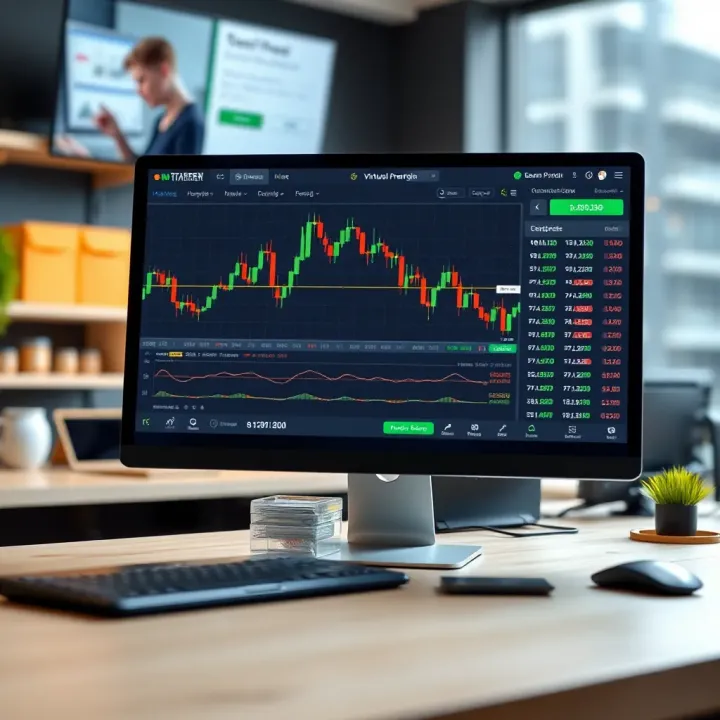
Another major benefit is getting familiar with market jargon and trading tools. Stock trading has its own language—terms like ‘limit order’, ‘stop loss’, ‘candlestick pattern’, and ‘margin’ can seem daunting initially. Using a demo account lets you practise these concepts in real-time. For instance, learning the difference between a market order and a limit order becomes easier when you place both on a simulated platform. It also helps you understand charts, indicators, and other features without feeling overwhelmed.
Demo trading is essential for checking how different technical analysis methods work. Whether you are studying moving averages, RSI (Relative Strength Index), or Fibonacci retracements, practising these strategies in a risk-free environment helps you fine-tune your approach. You might notice, say, that a certain indicator works well during volatile markets in India but not in calm phases. Such insights come only through hands-on trial.
Evaluating automated trading algorithms is another smart use of demo accounts. Many platforms allow integrating bots or scripts that execute trades automatically. Before trusting these algorithms with real money, you can verify their logic and performance under various market situations without losing a single rupee. For example, if a bot places buy orders every time the Nifty 50 crosses a particular threshold, you can observe its trades over days on the demo to judge if it’s worth using live.
Watching price movements and trends in a demo setup sharpens your market awareness. Real-time charts reflect how Indian markets respond to events—whether it’s RBI policy updates or global cues. With no financial risk, you can track how certain news impacts Sensex or individual stocks. This helps develop a sense of timing and recognition of patterns that frequently appear.
Lastly, practising the timing of trade execution is crucial. Markets can move fast, and knowing when to place or exit an order can decide profit or loss. Demo trading helps you experience how order placement delays or slippage work, improving your instincts. For example, noticing that during midday trade volumes fall and price spreads widen can influence your trading decisions later.
Practising with a demo account isn’t just a warm-up; it forms the foundation of disciplined trading, giving you the skills and confidence to approach live markets wisely.
Picking the right demo trading platform is key to gaining practical experience without losing money in the process. Indian traders benefit most when the platform closely mimics live market conditions, offers reliable data, and suits their trading style. Choosing wisely ensures smoother learning curves, easier transitions to live trading, and access to the tools that matter most in India’s stock markets.
Zerodha Kite is one of the most popular trading platforms in India. Its demo account reflects real-time data from NSE and BSE, allowing users to get hands-on experience with various order types and market instruments. The simple interface appeals to beginners, while the advanced charting tools keep seasoned traders engaged. Given Zerodha’s widespread use among Indian retail investors, practising on Kite prepares you well for live trading.
Upstox Pro offers a robust demo trading environment that covers stocks, commodities, and currency derivatives. The platform delivers accurate market depth and order book details, helping users understand market demand and supply. Upstox Pro also integrates with mobile apps smoothly, letting you practise both on desktop and while on the move. Its focus on providing a seamless experience is why many new traders in India start with Upstox.
Angel Broking is known for its comprehensive research tools and personalised advisory even in its demo mode. The demo account includes many financial instruments and simulates live market volatility, aiding users in testing risk management strategies effectively. Angel Broking’s regional reach across India also means its demo platform supports vernacular languages, making it accessible to a wider audience.
ICICI Direct combines the trust of a leading bank-linked broker with a demo platform that replicates real market scenarios faithfully. Its demo accounts allow trading in equities, derivatives, and mutual funds. The platform’s educational content linked to the demo facility makes ICICI Direct ideal for those new to investing and looking to understand different asset classes in one place.
A user-friendly interface ensures you focus on learning trading mechanics instead of grappling with complicated navigation. Clear layouts, intuitive menus, and easy execution of orders speed up the learning process, especially for beginners who otherwise may get overwhelmed.
Having real-time market data in demo trading is crucial so that your trades reflect current price movements and volatility. This realness helps you build better timing and decision-making skills, which purely delayed or simulated data cannot provide.
The range of financial instruments offered in a demo account is important if you want to explore different markets—such as stocks, derivatives, commodities, or mutual funds. Platforms offering broad choices prepare you for diverse trading opportunities.
Mobile app availability matters a lot for Indian traders who rely heavily on smartphones. A platform with a well-designed mobile app allows practice anytime, catering to busy lifestyles and helping you stay connected to markets on the go.
The account setup process should be straightforward and quick, allowing you to start practising with minimal hassle. Platforms that require just an email or phone number for their demo are friendlier to casual learners.
Verification requirements for demo accounts are usually minimal, but some platforms ask for basic KYC (Know Your Customer) details even for virtual trading. This sometimes helps in a smooth transition to live trading without repeated documentation.
Most demo accounts have duration and usage limitations. Some offer unlimited practice time, while others restrict access to a few weeks or cap the amount of virtual funds. Knowing these limits helps you plan your practice sessions effectively and avoid sudden interruptions.
Choosing the right demo platform affects how quickly you grasp market dynamics and applies your strategy confidently before risking real money. Opt for platforms popular in India like Zerodha, Upstox, Angel Broking, or ICICI Direct, and consider factors like usability, data accuracy, instrument variety, and mobile support.
Demo trading offers a risk-free environment, but to truly benefit, following best practices is vital. These guide you to treat demo sessions seriously, pushing beyond casual clicks to meaningful learning. When you set clear goals, simulate realistic market conditions, and keep rigorous records, demo trading becomes a powerful tool to prepare for live trading.
Defining learning objectives sharpens focus during demo trading. Instead of wandering through charts and orders aimlessly, setting clear goals helps you target weak spots or skills you want to develop. For instance, a beginner might decide to master placing different order types, while an intermediate trader may seek to test strategies like moving average crossovers. This focused approach prevents wasted time and ensures progress can be measured reliably.
Tracking progress systematically means you regularly check your improvement against these goals. You could log each trading session's outcomes or analyse win-loss ratios. This method helps spot patterns—say you consistently lose on stop-loss orders—so you can adjust strategies accordingly. Without tracking, it’s tempting to assume improvement without evidence, which might delay correcting harmful habits.
Using real-time data where possible is key because delayed or fake price feeds reduce realism and skew learning. Platforms like Zerodha Kite or Upstox Pro provide near real-time quotes in their demo accounts, which means your trades mirror live market movements more accurately. This exposure familiarises you with typical price swings, volatility, and liquidity issues you would face in the actual market.
Avoiding emotional bias despite virtual funds is often overlooked but tricky. Demo accounts don’t involve real money, so emotional reactions to winning or losing are weaker. However, practising as if the stakes were real trains your mindset. For example, don't rush to repeatedly reset the account after losses. Instead, treat every loss seriously and manage emotions, since overconfidence or panic often leads live traders astray.
Maintaining a trading journal means writing down why you took a trade, your strategy, entry and exit points, and your feelings during trade. This habit builds discipline and offers raw data to revisit. Say you notice that trades taken after news events consistently underperform; this insight helps refine your approach.
Reviewing successful and failed trades allows you to learn from mistakes and replicate wins. Regularly analysing what worked or didn’t makes your demo trading more than mechanical practice—it becomes an evolving learning process. Breaking down trades by technical setup or timing helps improve strategy clarity and execution skills.
A solid demo trading practice isn’t about endless virtual money burning but about disciplined learning, accurate simulation, and reflective analysis. These best practices set the foundation for steady improvement and smoother transition to real markets.
Moving from demo to live trading is a critical step for any trader. While demo trading helps you grasp market mechanics and test strategies without financial risk, live trading introduces real money and emotions. Understanding this transition ensures you manage expectations and prepare for the challenges unique to live markets.
Demo trading removes the emotional pressure since no real money is at stake. However, live trading brings in fear, greed, and hesitation that can affect decision-making. For instance, a trader may hesitate to cut losses or exit a position quickly due to fear of losing actual capital, which rarely happens in demo accounts. This emotional impact often leads to impulsive or overly cautious behaviour, making it essential to mentally prepare for such swings.
In demo trading, order execution is usually instant and at the expected price. However, in live markets, delays and slippage – where the executed price differs from the expected price – can occur, especially with volatile stocks. For example, a stop-loss order placed on a rapidly falling stock may execute at a lower price than set, causing a larger loss. Awareness of execution risks helps traders set realistic expectations and better manage trades.
Using stop loss orders is vital to limit losses when the trade moves against you. In live trading, defining a clear stop loss and sticking to it prevents small losses from turning into large wipeouts. Similarly, controlling position size according to your total capital ensures that a single trade doesn’t jeopardise your entire portfolio. For example, risk experts often advise limiting risk per trade to around 1-2% of your capital.
Allocating capital wisely across different trades or asset classes reduces overall risk. Rather than putting a large lump sum into one stock, spreading investments lowers the impact of any one position performing poorly. For instance, diversifying between equities, bonds, and commodities – as per risk appetite – can smooth out returns and protect against market swings.
It is wise to begin live trading with small amounts, which helps manage both financial risk and emotional stress. Starting with ₹10,000 or ₹20,000 lets you experience real market conditions without risking your entire capital. Over time, as confidence and experience grow, gradually increasing investment size becomes easier and safer.
Live markets are dynamic; continuous learning is necessary to stay ahead. Keep analysing your trades, learn from mistakes, and adapt strategies as market trends evolve. Joining webinars, reading market reports, and practising disciplined trading habits will support steady growth. Even experienced traders review their performance regularly to sharpen skills.
Transitioning smoothly from demo to live trading involves recognising inherent differences, careful risk management, and a gradual approach to using real capital while continuing education and self-review.
Explore Quotex in India 🇮🇳: Features, account setup, payment methods, legal tips, risks, and practical advice for smarter trading decisions.
Discover how QXBroker.com's demo helps Indian traders practice smartly📈. Learn to use its features and boost your trading skills before going live! 🇮🇳
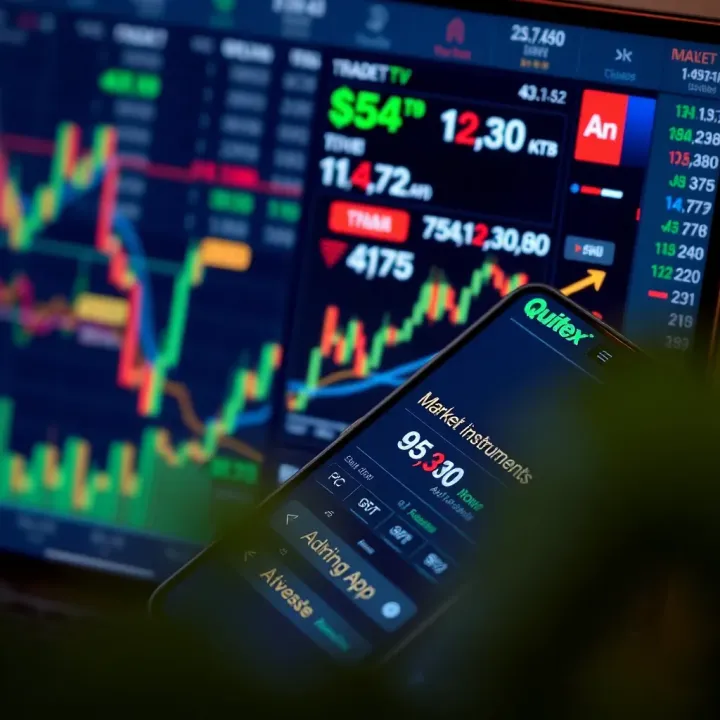
Explore the Quotex app 📱 for safe trading in India 🇮🇳. Learn features, instruments, tips 🚀 & how to start confidently with ease and insight.
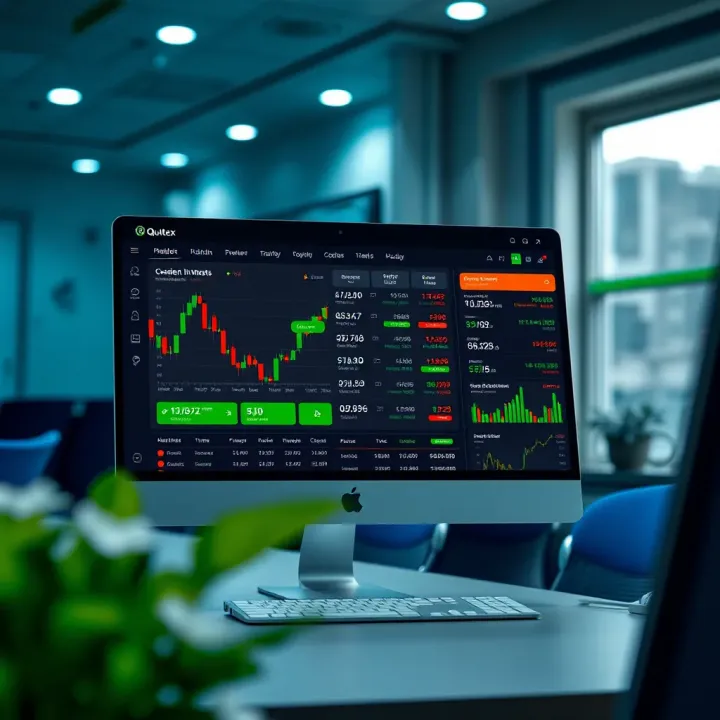
Explore Quotex's key features, easy usability, diverse accounts, and trading instruments. Get insights on customer support to see if it fits Indian traders 📊💡
Based on 8 reviews