

Ethereum Coin Price Prediction: Trends to Watch
Explore Ethereum (ETH) price trends, market factors, and expert insights helping Indian investors navigate risks and growth potential in digital currency 🪙📈
Edited By
Harry Mitchell
Ethereum, the second-largest cryptocurrency after Bitcoin, has seen its price fluctuate significantly in recent months. Traders, investors, and finance professionals in India closely watch these variations, as Ethereum plays a major role in the broader crypto market and DeFi ecosystem.
Today's Ethereum price prediction hinges on various factors including global market sentiment, blockchain activity, and regulatory developments in India. The ongoing adoption of Ethereum-based applications, especially non-fungible tokens (NFTs) and decentralised finance (DeFi) projects, continues to influence its demand. However, miner transition updates and network upgrades like the Ethereum 2.0 transition also add layers of complexity to its value.
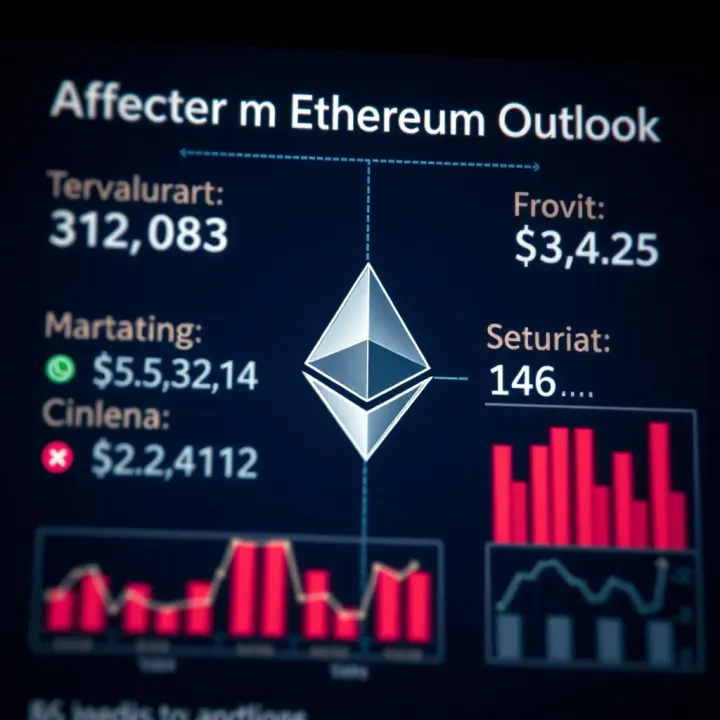
Understanding Ethereum's price today requires analysing both technical and fundamental indicators. Technical analysis involves chart patterns, moving averages, and resistance levels vital for day traders and brokers. For instance, Ethereum's current support level around ₹1,50,000 and resistance near ₹1,80,000 can indicate short-term market direction.
Fundamentally, factors such as rising transaction fees on the Ethereum network, competition from other blockchains like Solana and Cardano, and government policies towards cryptocurrencies in India impact investor sentiment. The Reserve Bank of India (RBI) and Securities and Exchange Board of India (SEBI) statements often shape market confidence, especially for institutional investors.
Ethereum’s price today is shaped by a balance of technology upgrades, market demand, and regulatory environment, making it essential for investors to keep an eye on daily developments.
Key points influencing today's price:
Blockchain activity: Increased smart contract deployments push demand.
Global crypto trends: Bitcoin’s movements often lead Ethereum’s.
Regulatory clarity in India: Recent government signals on crypto will affect investor confidence.
Technical signals: Moving averages and RSI provide entry or exit cues.
For Indian investors, staying updated on these aspects helps make informed trading decisions or long-term investment choices. This article dissects current trends, offers expert insights on Ethereum’s price outlook, and highlights associated risks to support you in navigating today’s market.
Understanding Ethereum's current market standing is vital for investors and traders aiming to navigate the price fluctuations effectively. This overview provides a snapshot of the coin's latest price actions, market valuation, trading volumes, and how global crypto trends influence its movements. For those tracking Ethereum’s value in real time, such information offers practical insights to make informed decisions.
Ethereum’s price often moves in tandem with global factors, but local currency dynamics, such as the ₹INR to USD exchange rate, also affect the effective price for Indian traders. For example, a recent increase saw Ethereum rise from about ₹1,50,000 to nearly ₹1,80,000 within a few days, corresponding roughly to $2,000 to $2,400. Keeping an eye on these price shifts in both INR and USD helps Indian investors understand the impact of currency fluctuations alongside cryptocurrency trends.
Market capitalisation reflects the total value of all Ethereum coins in circulation, signalling overall investor confidence. A rising market cap often indicates growing adoption or positive sentiment, while volume trends show the amount of trading activity. Notably, a surge in volume might precede a significant price move, so traders watch this closely. For instance, during festive seasons in India when interest spikes, volumes tend to rise, potentially leading to more volatile movements.
Ethereum’s price generally follows Bitcoin’s trajectory, given Bitcoin’s influence on market sentiment. When Bitcoin rallies or dips sharply, Ethereum typically moves along, though sometimes with a lag or differing magnitude. Besides Bitcoin, Ethereum is also sensitive to movements in other large cryptos like Binance Coin or Solana. Understanding these correlations helps investors gauge whether Ethereum’s price change is due to its fundamentals or overall market swings.
News from regulators worldwide, from the US Securities and Exchange Commission to Indian government pronouncements on crypto regulations, directly affect Ethereum’s price. For example, announcements regarding tighter rules or potential bans tend to cause price dips, while clarity on regulations can stabilise or boost confidence. Similarly, global events such as sanctions, major technology upgrades, or financial crises can shift investor behaviour quickly, reflecting in Ethereum's market movements. Staying updated on such developments is essential to anticipate short-term price effects.
Keeping track of Ethereum’s market details—from price shifts in INR and USD to understanding broader crypto market influences—equips investors to respond to market changes with confidence and clarity.
Monitor the INR-USD exchange rate along with Ethereum prices for better insight
Watch trading volumes during high-activity periods like Indian festive seasons
Observe Bitcoin and other major crypto trends as guides for Ethereum’s movement
Stay alert to regulatory and global news that could impact price volatility
With this grounding in Ethereum’s current market, investors can better interpret today’s price signals and position their portfolios accordingly.
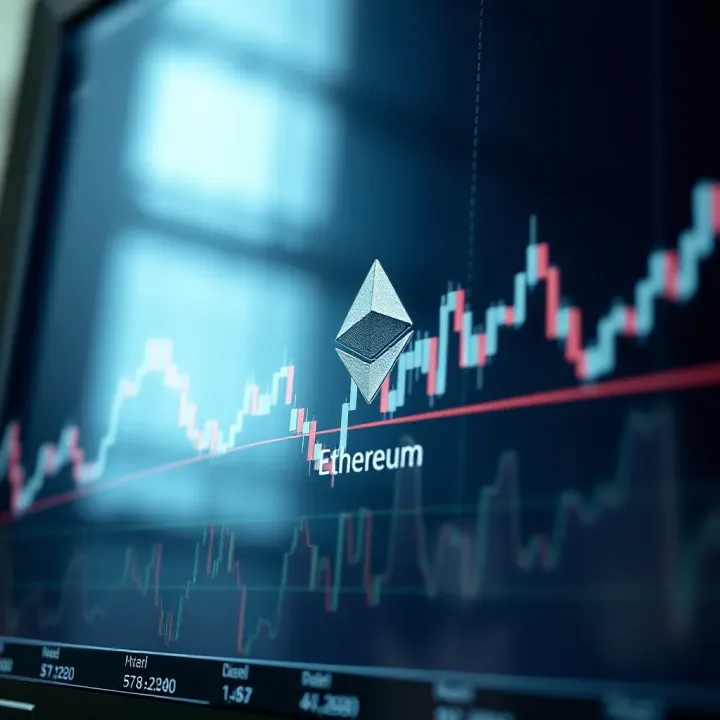
Several elements influence Ethereum’s price movement today, making it crucial for investors and traders to track both technical updates and market sentiment closely. Understanding these factors helps anticipate short-term trends and manage investment risks effectively.
The ongoing progress of Ethereum 2.0—a major upgrade aimed at moving Ethereum from proof-of-work to proof-of-stake—plays a significant role in shaping price expectations. This transition is meant to improve scalability, reduce energy consumption, and increase transaction speed. For example, as validators replace miners, transaction costs could drop, enticing more users and developers onto the network, which tends to buoy the token’s demand. However, delays or unexpected bugs in the upgrade process might trigger selling pressure among cautious investors.
Gas fees, the transaction costs paid in Ethereum's native token, vary depending on network congestion and can heavily influence user activity. For instance, during peak periods, gas fees have escalated to levels that deter smaller transactions, pushing users towards alternative blockchains. Conversely, a decrease in gas fees usually encourages more participation from retail users and decentralized finance (DeFi) platforms, which can positively reflect on Ethereum’s price. Monitoring these fee fluctuations gives insight into real-time network health and user demand.
Sentiment indicators, including on-chain metrics like wallet activity and off-chain analysis such as social media trends, directly impact Ethereum’s price action. For example, a sudden rise in bullish sentiment across crypto forums and Twitter can indicate growing optimism among traders, often preceding price increases. Conversely, negative sentiment following regulatory announcements or hacks can prompt rapid sell-offs. Tracking such sentiment provides timely clues on investor confidence.
The behaviour of retail versus institutional investors also differs and affects market dynamics. Retail investors tend to react quickly to short-term news and often trade in smaller volumes but in larger numbers. Meanwhile, institutional investors, such as mutual funds or family offices, may take bigger positions based on fundamental analysis and can influence price direction through large trades or long-term holding strategies. For example, recent reports of increased Ethereum holdings by some Indian institutional funds signal growing trust, potentially stabilising price swings. Observing these patterns helps predict market moves and plan entry or exit points effectively.
Monitoring these key factors—technical progress, network usage, sentiment, and investor behaviour—gives investors a clearer picture of Ethereum’s price trajectory today, aiding smarter decision-making in a volatile market environment.
Technical analysis plays a vital role in predicting Ethereum's short-term price movements. By examining historical price data and volume patterns, traders and investors spot trends and potential turning points without relying on fundamentals. This approach helps them decide when to enter or exit the market, especially in a volatile asset like Ethereum.
Support and resistance levels are foundational concepts in technical analysis. Support refers to a price point where demand tends to increase, preventing the asset from falling further. Conversely, resistance is a level where selling pressure usually rises, capping upward price movement. For instance, if Ethereum repeatedly finds buyers near ₹1,50,000, that level earns support status. Traders watch these levels closely because breaking below support or above resistance often signals a significant price move.
Knowing these levels aids in planning trades, setting stop-loss orders, or predicting pullbacks. During periods of consolidation, Ethereum might bounce between support and resistance, signalling indecision among buyers and sellers. Identifying these zones lets you gauge when momentum might shift.
Moving averages and RSI (Relative Strength Index) offer deeper insight into Ethereum’s price behaviour. Moving averages smooth out price fluctuations over a defined period, highlighting the prevailing trend. Say, a 50-day moving average crossing above a 200-day average signals bullish momentum, often referred to as a "golden cross".
The RSI measures the speed and change of price movements on a scale from 0 to 100. An RSI above 70 suggests Ethereum is overbought and might face a correction, while below 30 indicates oversold conditions and potential price recovery. These indicators help traders spot entry or exit points based on momentum rather than guesswork.
Volume spikes and their relevance to price movement are crucial in confirming trend strength. A sudden jump in trading volume along with price direction indicates genuine buying or selling interest. For example, if Ethereum’s price surges past a resistance level on notably higher volume than usual, the breakout is more likely to sustain.
On the other hand, a price rise with low volume might signal a weak rally vulnerable to reversal. Volume analysis is essential to avoid false breakouts and get a better feel of market conviction.
Momentum oscillators in Ethereum trading such as the Moving Average Convergence Divergence (MACD) and Stochastic indicator offer real-time signals about trend direction and strength. MACD compares short-term and long-term momentum to indicate bullish or bearish shifts, while the Stochastic oscillator identifies overbought or oversold states.
Traders use these tools to time short-term moves accurately—buying when momentum gains strength and booking profits as momentum fades. Combining these oscillators with other indicators like RSI and volume provides a well-rounded view of Ethereum’s trading prospects today.
Solid technical analysis relies on confirming signals across multiple tools. For Ethereum traders and investors today, understanding and applying chart patterns, support/resistance, volume, and momentum indicators remain key to making informed decisions in this highly dynamic market.
Expert opinions and predictions play a key role in Ethereum trading and investing. They help decode complex market signals and provide a clearer understanding of where the price might head next. For Indian investors and traders, relying on experienced analysts’ insights can make the difference between timely decisions and costly mistakes. These opinions often reflect deep technical knowledge, current market sentiments, and broader crypto trends.
Top crypto analysts combine a mix of technical charts, on-chain data, and macroeconomic factors to forecast Ethereum's price movements. For example, analysts from reputed platforms like CoinDesk, Glassnode, and Reuters regularly update their outlooks based on Ethereum 2.0 progress or major government regulations. Their views offer traders reliable benchmarks and alternative perspectives beyond simple price charts.
These experts typically provide specific price targets for the day or week, aiding traders to set actionable entry or exit points. When multiple analysts converge on a similar price range, it often signals a stronger likelihood of price hitting those levels. For instance, if several predict Ethereum around ₹1,80,000 to ₹1,90,000 today, investors may plan their trades accordingly to benefit from expected support or resistance.
The expected price range for Ethereum today often takes into account short-term volatility, recent technical indicators, and liquidity in the market. This range serves as a practical guide for intraday traders and swing traders, helping them to manage risk and spot opportunities. Knowing the probable lower and upper limits also assists in deciding stop-loss and take-profit levels.
Such price forecasts are usually updated throughout the day, reflecting fresh data like volumes, network activity, or sudden global events affecting crypto markets. Indian traders following these predictions can avoid impulsive decisions during high swings and form strategic plans based on realistic goals.
Listings and announcements from major crypto exchanges often cause immediate price movements in Ethereum. When an exchange like WazirX or CoinDCX lists Ethereum-based products or launches new features related to ETH, it boosts demand and liquidity, sometimes pushing prices up sharply. Conversely, withdrawal restrictions or trading halts cause quick dips.
Exchange-driven price impact highlights the importance of keeping an eye on exchange news alongside technical analysis. For instance, when Ethereum futures contracts were launched by NSE, it created fresh speculative activity that influenced short-term price trends.
Social media influencers and crypto community leaders also have a direct impact on Ethereum's short-term price action. Influencers on Twitter, Telegram groups, or YouTube channels with large Indian followings can sway sentiment quickly. Positive remarks about Ethereum upgrades or institutional endorsements can trigger buying spurts, whereas sceptical opinions or fear-inducing messages can spark sell-offs.
For Indian investors, filtering fact from hype on social media is crucial. Relying solely on influencer opinions can be risky; cross-verifying with credible sources and technical data is wise.
Influencers’ role is thus two-sided: they help spread awareness and education, but their influence may also amplify volatility. Understanding this dynamic helps traders manage expectations and respond smartly rather than emotionally.
Investing in Ethereum requires careful attention to certain risks that could impact your returns, especially given the highly dynamic nature of cryptocurrency markets. Understanding these risks helps you make informed decisions and manage your portfolio effectively amid price fluctuations and external pressures.
Ethereum has experienced significant price swings since its inception, with short-term fluctuations often driven by market hype, technological upgrades, or unexpected events. For example, during the 2017 bull run, Ethereum’s value surged dramatically but then faced a sharp correction in 2018. Such volatility remains a defining characteristic, making it essential for investors to expect and prepare for rapid changes.
Managing these price swings requires a well-thought-out strategy rather than reacting emotionally. Many traders use stop-loss orders or set target price points to control potential losses. For long-term investors, staying focused on Ethereum’s fundamentals rather than daily price moves can prevent rash decisions. Diversifying your portfolio to include less volatile assets also helps cushion the impact of Ethereum's ups and downs.
On the regulatory front, India and global authorities are continuously evolving their stance towards cryptocurrencies like Ethereum. Recent moves include crackdowns on unregulated exchanges and tightening norms for KYC (Know Your Customer) and AML (Anti-Money Laundering) rules. These changes can affect liquidity, trading volume, and price volatility. For instance, sudden regulatory announcements may lead to swift price drops as investors reconsider their positions.
Smart contract vulnerabilities pose another significant risk with Ethereum-based applications. Bugs or loopholes in contract code have historically led to losses or hacks, like the infamous DAO attack in 2016. Even today, new decentralised finance (DeFi) projects built on Ethereum may expose investors to unforeseen bugs. Conducting due diligence by analysing project audits and developer credibility before investing can reduce exposure to these security threats.
Paying attention to both market fluctuations and regulatory-security landscapes helps investors navigate Ethereum’s complexity with better confidence and risk control.
Monitor regulatory updates from the Reserve Bank of India (RBI) and global bodies
Use risk management tools like stop-losses to handle volatility
Vet Ethereum-based projects carefully to avoid smart contract flaws
Maintain a diversified portfolio to balance Ethereum’s price swings
By understanding these risks upfront, you are better positioned to protect your investment and capitalise on Ethereum’s potential within a carefully managed risk framework.
Explore Ethereum (ETH) price trends, market factors, and expert insights helping Indian investors navigate risks and growth potential in digital currency 🪙📈
Ethereum (ETH) price trends analysed with focus on tech updates, market shifts, regulations, plus expert views to guide Indian investors 📈₹

📈 Explore Compound (COMP) price trends, factors shaping its movement, expert forecasts, risks, and investment tips for this key DeFi cryptocurrency’s future.

Discover Algorand's price trends 📈 and expert analysis, including tech, market factors, risks, and investment tips for Indian and global crypto enthusiasts 🌏.
Based on 6 reviews