
Best Forex Trading Apps in India: Features & Comparison
Explore top forex trading apps in India 🇮🇳 with features on security, costs, currency pairs & user support. Learn to pick best app & avoid scams safely 📱
Edited By
Thomas White
The forex market operates 24 hours a day, thanks to its decentralised nature across different time zones. Understanding the timing of major forex sessions is crucial for traders aiming to optimise their strategies based on when market activity peaks and volatility rises.
There are four primary forex market sessions named after global financial hubs: Sydney, Tokyo, London, and New York. Each session experiences unique trading volumes and currency pair activity. For Indian traders, aligning these sessions with Indian Standard Time (IST) helps in planning trading hours more effectively.
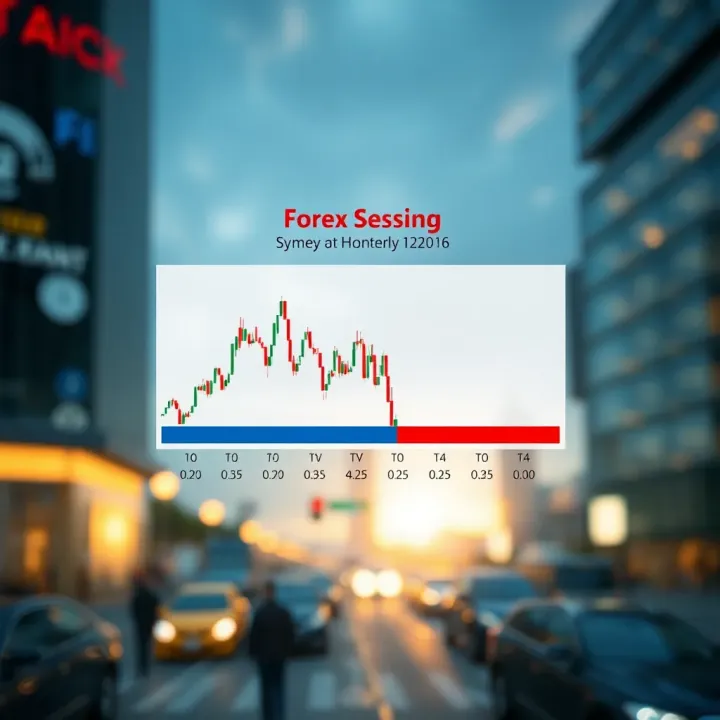
Each session starts and ends at fixed local times, but because of time zone differences, the forex market always remains open somewhere in the world. For example, the Sydney session usually opens at 5:30 am IST and runs till 2:30 pm IST, preparing the ground for the Tokyo session, which operates roughly from 7:30 am to 4:30 pm IST. London’s session follows from 12:30 pm to 9:30 pm IST, and finally, the New York session operates between 6:30 pm and 3:30 am IST.
Overlaps between sessions, especially between London and New York, create heightened trading volumes and volatility, offering opportunities for more dynamic trading strategies.
Understanding these overlaps is important. For example, while the Sydney and Tokyo sessions overlap for a few hours, it usually attracts more activity in AUD/JPY or NZD/JPY pairs. The London-New York overlap sees the highest liquidity, impacting popular pairs like EUR/USD, GBP/USD, and USD/JPY.
Thus, forex session times can guide Indian traders to enter trades during periods of increased activity or avoid times when liquidity dries up, which can help reduce risk and take advantage of better price movements.
To sum up, knowing the forex market session timings alongside their overlaps enables you to plan your trades when the market is most active. This understanding is the first step in designing a strategy that suits your trading style and risk appetite. In later sections, we will explore how market volatility behaves during these sessions and practical tips for aligning your schedule in India.
Understanding forex market sessions helps traders identify when the market shows maximum activity and liquidity. This knowledge is crucial for planning trade entries, exits, and risk management effectively. The forex market never sleeps, thanks to its global nature, which means trading opportunities exist 24 hours a day, but the level of activity varies with time.
The forex market operates 24 hours because different financial centres around the world open and close at staggered times. For example, when Indian traders are starting their day, markets in the US are in their late-night hours. This continuous operation ensures someone is always trading, making the forex market liquid and dynamic.
Markets are divided into sessions based on major financial hubs such as Tokyo, London, and New York. These hubs influence trading volumes and price movements significantly. Understanding these sessions helps traders decide when to focus on certain currency pairs, especially those linked to the session’s home country.
Asian Session
This session runs primarily from Tokyo’s open to its close, covering Asian financial centres like Singapore and Hong Kong. It tends to have lower volatility compared to others but involves major currencies such as JPY, AUD, and NZD. Indian traders often find early morning hours suitable for this session, especially when trading pairs like USD/JPY or AUD/USD.
European Session
Starting with London’s market open, this session overlaps partially with the Asian and US sessions, causing increased activity. It’s the most liquid and volatile session, influencing EUR, GBP, CHF, and other European currencies. The session caters well to Indian traders during afternoon and early evening.
US Session
Based on New York’s trading hours, this session often sees significant market moves, especially related to USD. The overlap with the European session creates a bustling window from 7:30 pm IST to midnight. Economic data releases and Fed announcements mostly fall in this session, making it critical for Indian traders to monitor.
Pacific Session
Less discussed but still relevant, the Pacific session includes markets like Sydney and Wellington. It marks the forex market’s start and has lower liquidity and volatility. Traders focusing on AUD and NZD pairs keep an eye on this session. For Indian traders, it’s generally active late at night or early morning.
Knowing when these sessions begin and end, alongside their characteristics, gives traders an edge in timing their trades and managing risk properly.
For Indian forex traders, knowing the timings of major forex market sessions in Indian Standard Time (IST) is vital. These timings determine when liquidity surges, which affects price movements and trading opportunities. Unlike fixed market hours of stocks, forex runs 24 hours, but activity peaks align with global financial centres opening and closing. Adjusting session times to IST helps traders schedule their strategies effectively, avoiding burnout and targeting periods of high volatility.
The forex market splits into four main sessions: Tokyo (Asian), London (European), New York (US), and Sydney (Pacific). In IST, the typical timings are:
Tokyo (Asian) Session: 6:30 am to 3:00 pm IST
London (European) Session: 12:30 pm to 9:00 pm IST
New York (US) Session: 6:30 pm to 3:00 am IST
Sydney (Pacific) Session: 3:30 am to 12:00 pm IST
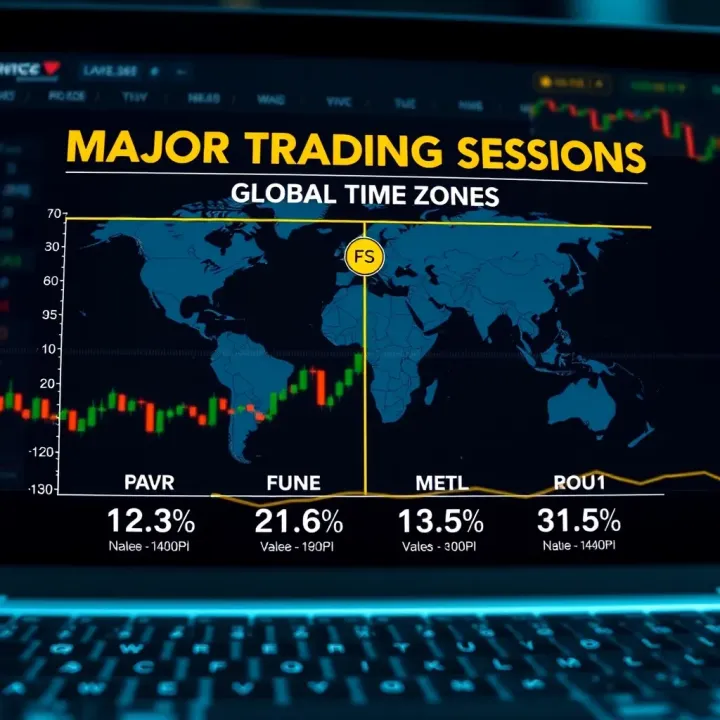
For example, the London session starts right around lunchtime in India, meaning traders can monitor European market developments during work hours. The New York session kicks off as evening sets in India, suitable for those preferring to trade post-work.
Understanding these timings helps you capitalise on active market hours for specific currency pairs. For instance, EUR/USD gains momentum during the London and New York overlap, while the USD/JPY pair tends to move during the Tokyo session.
India does not observe Daylight Saving Time (DST), but many forex market centres do, impacting session timings throughout the year. For instance, during DST, London moves its clock forward by one hour usually from late March to late October, shifting the European session to 11:30 am–8:00 pm IST.
Similarly, New York's DST starts around mid-March and ends in early November, adjusting its session to 5:30 pm–2:00 am IST.
Failing to adjust for DST can lead to missed trading opportunities or being caught in illiquid periods. You can follow official announcements from financial centres or use forex market calendars that update timings automatically.
Keeping an eye on daylight saving changes ensures you stay in sync with the market hours. This is especially critical when trading pairs involving the British pound or US dollar.
In summary, synchronising forex session timings to IST and adjusting them for DST changes abroad provides Indian traders a clear roadmap for when to engage the market most effectively, balancing convenience and opportunity.
Session overlaps in the forex market are periods when two major trading sessions run simultaneously. These overlaps often trigger increased trading activity, as more market participants from different regions engage at the same time. For traders in India, understanding these overlaps can help spot moments with higher liquidity and sharper price moves, enabling better timing of trades.
When two forex sessions overlap, trading volume usually rises sharply. This happens because each session brings in its own set of traders, banks, hedge funds, and institutions. The combined activity leads to tighter spreads and faster price movements. However, this also means that volatility tends to increase, which can be both an opportunity and a risk.
For example, the London and New York overlap sees some of the highest trading volumes globally. Price swings can be sharper, giving chances for traders to capitalise on quick moves in currency pairs like EUR/USD, GBP/USD, and USD/INR. But the flip side is increased unpredictability if sudden news breaks during this period.
This overlap lasts roughly from 7:30 pm to 11:30 pm Indian Standard Time (IST) during winter months, and an hour ahead during summer due to daylight saving in the US. It is the most active overlap, as it covers two of the largest financial hubs. The surge in liquidity makes this period suitable for day traders and scalpers targeting major currency pairs involving the US dollar and euro.
For instance, Indian traders focusing on USD/INR can find good entry points during this overlap, as both the US dollar and British Pound (which often impacts USD/INR indirectly) see vigorous trading. The morning updates from the US and late European market reactions often lead to volatility that can be harnessed with quick decision-making.
This overlap is shorter and less liquid compared to London-New York. It occurs roughly between 2:30 pm and 4:30 pm IST. Though volumes are moderate, this phase can present unique trading chances, especially for pairs involving the Japanese yen, such as USD/JPY or EUR/JPY.
Many Indian traders overlook this overlap, but during economic releases from Japan or Europe, price moves can be surprising. This period can serve well for swing traders watching for early signals or confirmations before the more intense London-New York overlap hits.
Understanding session overlaps helps traders select windows when liquidity and volatility balance out, allowing informed and timely trades.
In practice, aligning your trading hours to these overlaps helps manage risk and enhances opportunities in the fast-moving forex market.
Indian forex traders need practical strategies to make the most of the market's 24-hour nature while working within their time zone. Understanding session timings helps traders focus on periods when their chosen currencies are most active, improving the chance of profitable trades and reducing unnecessary risks. This section offers clear, actionable advice for choosing trading sessions, managing hours around Indian Standard Time (IST), and using session dynamics to manage risk effectively.
Each currency pair tends to be more active during the business hours of its home country. For example, if you trade USD/INR or GBP/INR, the London and New York sessions matter most since USD and GBP volumes peak then. Conversely, for pairs like JPY/INR or AUD/INR, trading during Asian or Pacific sessions could be more fruitful because Tokyo and Sydney markets are in full swing.
Take the EUR/USD pair: the European session (roughly 12:30 pm to 9:30 pm IST) often shows higher liquidity and tighter spreads. So, trading EUR/USD at this time generally offers better pricing and less slippage. Indian traders can concentrate on these windows to avoid volatile and illiquid periods.
Since IST is 5 hours 30 minutes ahead of GMT, many active forex sessions occur during Indian daytime and evening hours. Indian traders should align their trading routines to coincide with these periods without impacting daily life.
For instance, the London session starts around 12:30 pm IST and overlaps with the New York session from 5:30 pm to 9:30 pm IST. This overlap is when the market experiences increased volume and volatility, ideal for active trading. Planning your trading schedule around this window allows balancing work, family, and market action smoothly.
For those who cannot stay awake late, morning trading during the Asian session (4:30 am to 12:30 pm IST) suits pairs related to Asian currencies. Using alarms or trading software with automated strategies can also help manage positions outside active hours.
Traders can use session timing knowledge to limit exposure during quiet hours that often bring unpredictable price swings and low liquidity. For example, avoiding trades late at night when volumes drop reduces slippage and unexpected market moves.
Risk management also improves by sizing positions according to session volatility. The London-New York overlap generally sees increased price swings, so adopting smaller position sizes or tighter stop losses during calmer sessions reduces risk.
Paying attention to session activity helps Indian traders strike a balance between capturing opportunities and managing losses. Practising this makes your trading more disciplined and less prone to fatigue-driven errors.
By choosing session times based on currency pairs, fitting your hours around IST effectively, and adjusting risk according to market activity, Indian forex traders can navigate the market more prudently and improve long-term results.
Wrapping up, this article has covered the core aspects of forex market session times—how different global sessions operate, their timings in Indian Standard Time (IST), and the significant overlaps that impact trading activity. A clear understanding of these sessions helps you spot when liquidity peaks and when volatility tends to rise, improving your decision-making and risk management.
When concluding, it’s vital to reflect on these key points for quick recall and reference. The 'Further Reading' section directs you to useful tools and resources that stay up to date with session changes, especially useful given daylight saving adjustments abroad.
The forex market runs 24 hours a day through four major sessions: Asian, European, US, and Pacific.
Session timings vary for Indian traders, with overlaps such as London-New York being crucial due to higher trading volumes and volatility.
Understanding session overlaps aids in choosing the best time to trade specific currency pairs like EUR/USD or USD/JPY.
Adjusting trading routines to Indian time zone balances trading efficiency with personal schedules.
Effective risk management hinges on aligning trades with session activity and volume patterns.
Forex market calendars provide real-time updates on session openings and closings and highlight major economic events affecting global forex activity. These calendars often display timings in IST, helping you plan trades precisely during active sessions. They also indicate holidays and unscheduled market closures, ensuring you don’t trade when volumes might be unusually thin.
Traders can monitor sessions along with news releases which often create spikes in market volatility. For example, RBI policy announcements listed on these calendars are particularly relevant for traders dealing with the Indian rupee.
Several mobile apps and websites offer user-friendly forex session trackers customised for Indian traders. Apps like MetaTrader, Investing.com, or Forex.com provide tools for tracking session times in IST, alerts for session overlaps, and notifications for significant market shifts. These platforms let you personalise notifications to avoid missing critical trading windows.
Websites catering to the Indian audience frequently integrate forex session times with local currency news and RBI updates, blending global market timing with domestic context. This combination strengthens traders’ ability to respond quickly to both international and Indian economic developments.
Keeping handy resources like session calendars and mobile apps ensures you remain connected to the market round the clock, making your trading strategy more responsive and calculated.
Explore top forex trading apps in India 🇮🇳 with features on security, costs, currency pairs & user support. Learn to pick best app & avoid scams safely 📱

Discover how India's richest forex traders built their wealth 💰, their strategies 📈, challenges faced ⚠️, and key lessons for aspiring traders 🇮🇳.

Understand RBI's rules for legal forex trading 🇮🇳 Learn which foreign exchange transactions are allowed, compliance tips, and how to trade safely in India.

Learn how RBI approved forex brokers in India operate, key regulations to know 🏦, and tips to pick safe brokers for smarter trading decisions 📊🇮🇳.
Based on 10 reviews