

ATOM Price Prediction: Trends and Outlook
Explore ATOM price prediction with expert insights, market trends, tech updates, and investment risks in India's growing crypto market 🌐📈💰
Edited By
George Fletcher
Gold has always been a key asset for investors, especially during uncertain times. Its ability to preserve wealth and act as a hedge against inflation keeps it in the spotlight among traders and analysts alike. Today, the question is: where will gold prices head next, given the current market conditions?
Several factors influence gold's price movements. These include global economic indicators like inflation rates, interest policies set by central banks such as the Reserve Bank of India (RBI), and geopolitical tensions. For instance, when inflation spikes beyond 6%, investors often turn to gold seeking protection, which tends to push prices upward. Conversely, when the RBI raises repo rates, higher fixed-income returns can reduce gold's appeal.
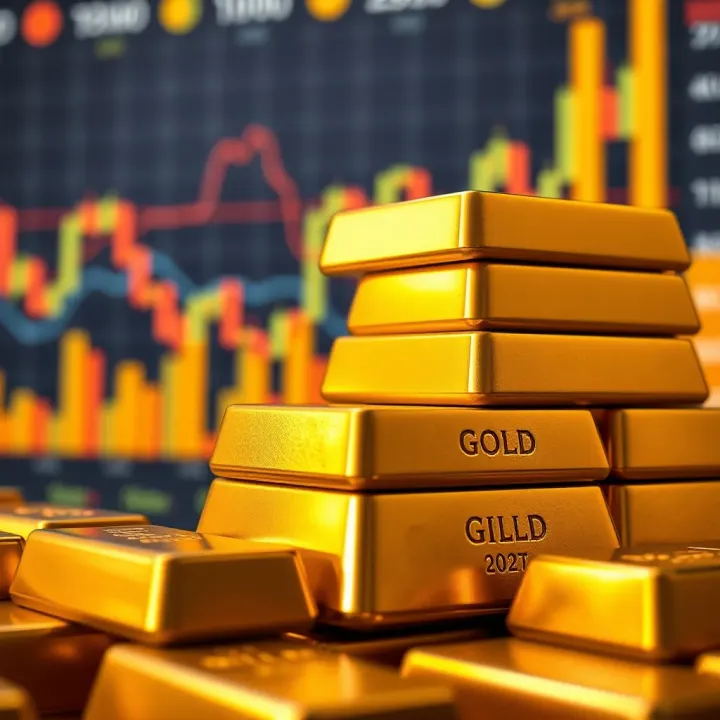
Supply and demand also play a major role. India, one of the world’s largest gold consumers, especially around wedding seasons and festivals like Diwali, drives significant demand fluctuations. Any changes in import duties or policies directly impact prices. Additionally, mining output from countries like South Africa and Australia affects the gold supply chain globally.
Experts keep a close watch on cues such as the US dollar index, since gold and the dollar usually move in opposite directions. When the dollar weakens against other currencies, gold becomes cheaper for holders of other currencies, boosting demand.
Understanding these dynamics helps investors make informed choices, whether buying physical gold, investing in exchange-traded funds (ETFs), or engaging in futures contracts.
Here are some practical considerations for investors:
Track currency trends: A weakening rupee against the dollar tends to make imported gold costlier in India.
Watch RBI policies: Changes in rates and gold import norms can spike market volatility.
Consider global events: Political unrest or trade disputes often increase gold’s safe-haven demand.
Review your portfolio: Balancing gold holdings with equities and bonds can reduce overall risk.
The gold market is complex but offers clear opportunities when the factors influencing it are understood well. This article will explore these aspects deeply, with a focus on relevant insights for the Indian investor.
Understanding the current state of the gold market is essential for investors looking to make informed decisions. It reflects real-time price movements, supply-demand balances, and broader economic factors influencing gold prices. This knowledge helps you gauge when to enter or exit investments and adjust your portfolio accordingly.
Gold price performance over the last year has shown considerable fluctuations. For example, from April 2023 to March 2024, gold prices ranged roughly between ₹5,000 to ₹5,300 per gram in India, affected by global economic shifts, inflation data, and geopolitical uncertainties. Tracking this performance helps investors understand the metal's resilience and trend direction.
Volatility and trading volumes matter because they indicate market sentiment and liquidity. Gold's volatility has been moderate lately, with daily price swings around 0.5–1%. However, trading volumes on exchanges like MCX rise sharply during global crises or local demand surges, reflecting investor behaviour. These metrics are practical for timing entries, considering that higher volatility often presents both opportunity and risk.
Comparing gold with other precious metals like silver and platinum provides perspective on its relative appeal. While gold remains the prime safe-haven asset, silver tends to be more volatile due to its industrial use. For instance, during the last year, silver prices saw sharper downswings than gold, making gold a steadier choice for conservative portfolios. This comparison helps traders diversify wisely.
Central banks play a significant role in gold markets by adjusting their reserves. The Reserve Bank of India and other world central banks added considerable quantities of gold to their reserves in the past twelve months, signalling confidence in gold as a currency hedge. These activities influence global demand and can signal future price movements.
Jewellery and industrial consumption remain major demand drivers. India, being the world’s largest consumer of gold jewellery, especially around festivals like Diwali, noticeably impacts demand spikes seasonally. Industrial use, though smaller, ties gold to technology sectors such as electronics and dentistry, adding stability to demand patterns.
On the supply side, mining output and production constraints affect availability and prices. Mining faces challenges like labour shortages, rising costs, and regulatory hurdles in major producer countries like South Africa and Australia. Such constraints can limit supply growth even when demand remains robust, pushing prices upward. For investors, awareness of these constraints aids in anticipating supply-side shocks.
Monitoring current gold market dynamics helps you stay ahead, whether you trade short term or build long-term portfolios.
Track price trends monthly to identify entry points
Follow central bank behaviour for strategic insights
Observe jewellery buying seasons for demand patterns
Keep an eye on mining news affecting supply
These practical steps can make your gold investments more data-driven and less guesswork.
Understanding the factors that influence gold's future price is critical for anyone looking to invest or trade in this metal. These factors shape the market demand, supply, and investor sentiment, thus impacting gold prices in real time. This section walks through the major economic indicators, inflation, geopolitical events, and regulatory conditions that traders and investors watch closely to forecast gold price movements.
Inflation trends in India and worldwide heavily affect gold prices. When inflation rises, the purchasing power of fiat currencies falls, pushing investors to seek gold as a hedge. For instance, India witnessed inflation spikes around 2022 due to supply chain disruptions and rising fuel costs, which corresponded with increased gold buying. Globally, inflation uncertainties in key economies like the US and Europe also tend to boost gold demand, as seen when Consumer Price Index (CPI) readings show a steady climb.
Interest rate policies by central banks further influence gold's appeal. Higher interest rates make fixed-income investments more attractive, reducing demand for non-yielding assets like gold. For example, RBI's repo rate hikes generally cool down gold prices in India by encouraging investors to park money in deposits. Conversely, rate cuts often lead to higher gold prices as borrowing becomes cheaper, and investors seek safer assets amid uncertain yields elsewhere.
Currency fluctuations, especially the rupee's strength against the US dollar, play a significant role. Gold is priced in dollars internationally, so a weaker rupee makes gold costlier for Indian buyers, often suppressing demand. On the other hand, a stronger rupee can make gold more affordable locally, spurring purchases. In recent years, the rupee's volatility during global economic shifts has notably impacted Indian gold sales and prices.
Global conflicts and political tensions prompt investors to flock to gold as a safe haven. Events like the Russia-Ukraine conflict raised fears of economic instability, causing sudden gold price upticks. Gold's reputation as a crisis hedge means that any geopolitical turmoil—be it trade wars, sanctions, or regional disputes—tends to lift its market value.
Stock market performance also influences gold’s safe-haven status. When equities tumble, investors seek alternatives to preserve wealth. The sharp corrections in markets, like the Sensex and Nifty during global sell-offs, coincide with gold price gains. This inverse relationship is a practical consideration for portfolio diversification and risk management.
In India, government regulations and import duties significantly affect gold prices and demand. Higher import duties, such as the 12.5% customs duty implemented recently, increase gold’s landed cost, impacting retail prices directly. This policy aims to curb imports and support the domestic economy but can dampen consumer enthusiasm temporarily. Traders and investors must thus factor in these regulatory changes when planning gold transactions to optimise timing and costs.
Gold prices are shaped by a complex mix of economic signals, geopolitical risks, and policy decisions; savvy investors monitor these elements closely to stay ahead in the market.
This section equips you with a clearer understanding of these forces, helping you anticipate where gold prices might head next and plan investments accordingly.
Expert predictions and price targets offer valuable guidance for investors and traders trying to navigate the gold market. These forecasts synthesise complex market dynamics into actionable insights, helping stakeholders manage risks and identify opportunities. For instance, analysts often factor in global economic conditions, currency fluctuations, and geopolitical tensions when projecting future gold prices. This section delves into how these predictions shape market expectations and decision-making.
Short-term price forecasts typically focus on upcoming weeks or months. These forecasts are based on immediate market signals such as inflation data releases, central bank policy decisions, and geopolitical events. For example, if the Reserve Bank of India (RBI) signals an unexpected rate hike, short-term gold prices can quickly adjust reflecting investor sentiment on inflation control, making such forecasts useful for active traders seeking quick gains or stop-loss placements.
The medium- to long-term outlook covers several quarters to years. Analysts here consider broader trends like sustained inflation, shifts in demand from India’s jewellery sector, and global reserve asset reallocation by central banks. Such predictions help long-term investors plan asset allocation, balancing gold portfolios against equities or bonds. An example would be forecasts anticipating a steady rise in gold prices over 3–5 years due to anticipated economic uncertainties or weakening of the US dollar.
Factors that could alter these projections include unexpected economic shifts, sudden geopolitical crises, or regulatory changes in key markets like India’s gold import duties. For instance, a sudden easing of import duties could increase domestic demand substantially, pushing prices beyond initial targets. Similarly, a faster-than-expected global economic recovery might reduce gold’s safe-haven appeal, causing prices to dip. Attention to such variables ensures investors stay prepared for market surprises.
Key support and resistance zones represent price levels where buying or selling pressure historically concentrates. For gold, support might lie near ₹48,000 per 10 grams, while resistance could be around ₹53,000. Recognising these zones helps traders anticipate price reversals or breakouts. For example, a sustained move above resistance might indicate a bullish trend, signalling a good entry point.
Moving averages and momentum indicators smooth out price fluctuations to reveal underlying trends. Commonly used averages like the 50-day and 200-day help identify whether gold is in an uptrend or downtrend. Momentum indicators like the Relative Strength Index (RSI) highlight overbought or oversold conditions. These tools assist traders in timing their buys or sells more precisely, reducing guesswork.
Historical patterns and their relevance today involve studying past price movements to predict future trends. For instance, gold often reacts predictably around major economic events such as RBI announcements or global crises. While history doesn’t repeat exactly, familiar chart patterns like head-and-shoulders or double bottoms provide clues. Combining these with current fundamentals offers a stronger basis for forecasts.
Understanding expert predictions combined with technical analysis equips investors to make informed choices, balancing intuition with data. This approach proves especially useful in India's dynamic gold market where local and global factors interplay strongly.
Developing a clear investment strategy around gold helps you navigate its price movements and leverage its unique benefits. Gold often behaves differently from stocks or bonds, making it a smart tool for diversification and risk management. Being aware of various investment forms and timing can make a big difference in how gold supports your portfolio.
Physical gold remains popular in India, especially as jewellery or coins, because it's tangible and culturally valuable. Investors may prefer coins or bars over jewellery for ease of valuation and lower making charges. Holding physical gold means you control your asset but requires safe storage and insurance, which adds to the overall cost. For example, during festive seasons or weddings, buying gold jewellery doubles as both asset and ornament, though resale might be affected by purity and design.
Paper gold offers exposure without the hassles of storage. Exchange-traded funds (ETFs) track gold prices and trade on stock exchanges, allowing easy buying and selling during market hours. Sovereign Gold Bonds (SGBs) issued by the Government of India pay interest besides price appreciation, making them attractive over physical gold. However, SGBs have a lock-in period of 8 years. These options suit investors seeking convenience, lower transaction costs, and the ability to integrate gold into their digital portfolios.
Digital gold platforms let you buy gold in small quantities via mobile apps, with stored gold held by trusted vaults. Platforms like MMTC-PAMP and SafeGold are popular in India for this. Features include instant purchase, redemption into physical gold, and low entry amounts starting as low as ₹1. This method suits first-time investors or those who want liquidity paired with owning actual gold, without balancing storage fears.
Gold often moves opposite to equity markets, so including 5-10% gold in a mixed portfolio can reduce overall risk during market turbulence. For instance, when Sensex falls amid economic uncertainty, gold usually retains value or rises slightly. This diversification helps smoothen returns and protect wealth over the long term.
SIPs in gold ETFs let you invest fixed amounts regularly, averaging out purchase costs and reducing timing risks. This disciplined approach is particularly useful for salaried investors aiming to accumulate gold without paying a lump sum upfront. Over time, SIPs help build a significant gold holding aligned with your risk tolerance and financial goals.
While gold is generally stable, prices can fluctuate due to global events and currency movements. Set clear entry and exit points to lock gains or cut losses, especially in volatile phases. For example, selling a portion of gold ETF holdings when prices hit a pre-decided target protects profits. Also, keep track of regulatory changes or import duties that can affect liquidity and valuation, particularly in the Indian context.
Smart gold investment balances choice of form, timing, and clear exit plans to optimise portfolio benefits while managing costs and risks effectively.
Each investment style suits different needs and risk appetites. Knowing them well can help investors take advantage of gold’s strengths in uncertain markets.
Explore ATOM price prediction with expert insights, market trends, tech updates, and investment risks in India's growing crypto market 🌐📈💰
📉 Explore what affects BitTorrent Token (BTT) price, track its market trends and get practical investment tips. Stay updated on BTT’s role in crypto trading.
Ethereum (ETH) price trends analysed with focus on tech updates, market shifts, regulations, plus expert views to guide Indian investors 📈₹
📈 Explore Compound (COMP) price trends, factors shaping its movement, expert forecasts, risks, and investment tips for this key DeFi cryptocurrency’s future.
Based on 12 reviews