
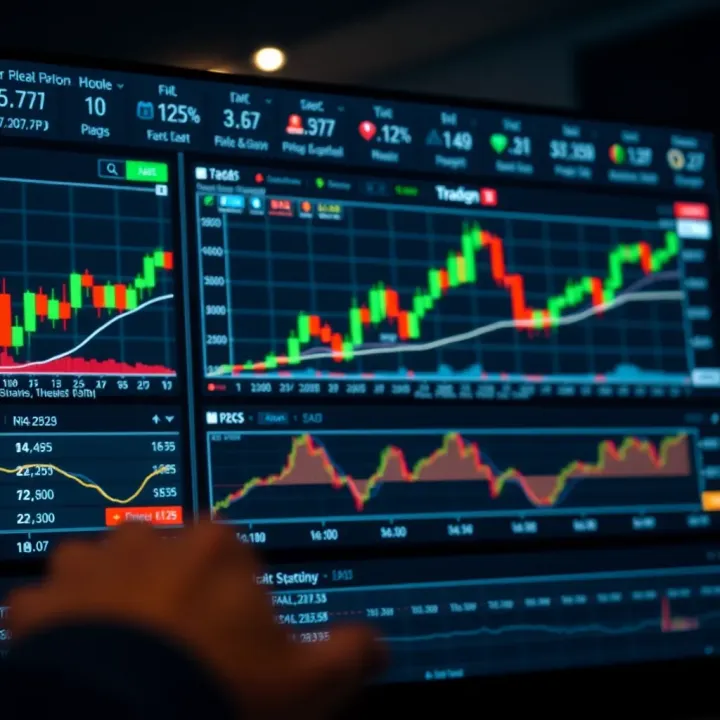
Understanding Real Trading Platforms: Features & Tips
Discover essential features, benefits, and expert tips to select a secure, reliable real trading platform in India. 📊🔒 Make smart trading choices today!
Edited By
Benjamin Foster
Getting into the swing of real trade apps is more than just downloading another app on your phone. These platforms bring the world of stock markets, commodities, forex, and other assets into your pocket. But with so many options clamoring for attention, it’s easy to feel swamped and cautious about which one to trust.
In this article, we’re going to cut through the clatter and lay out the essentials — what makes a trading app genuinely useful? What features should you look for to keep your investments safe and easy to manage? How do you know it’s not just a demo or simulation? And ultimately, how do you pick one that fits your trading style and needs here in India?

Real-time access, security, and smooth user experience aren’t just buzzwords; they’re key factors for successful trading in today’s fast-paced market.
We’ll touch on everything from security protocols, regulatory requirements, to usability and customer support. Whether you’re a seasoned trader hunting for a better edge or a beginner about to dip your toes, the right app can make a huge difference. Let’s get going to help you trade smarter, not harder.
When we talk about real trade apps, we're referring to tools that let you engage directly with financial markets using your own funds. This isn't just about watching numbers or testing strategies with fake money—it's the real deal. Knowing what sets these apps apart is key in navigating today's fast-moving markets.
Think about platforms like Zerodha Kite or Upstox Pro in India. They connect you to the live markets, execute your orders when you say so, and keep your investments updated in real-time. By understanding what a real trade app encompasses, you get a clearer picture of the advantages and responsibilities that come with actual trading.
One big difference between real trade apps and simulators is live market connectivity. Real apps pull in current market prices as they update — no lag, no guessing. This feature is crucial because slowness or delayed data can mean missed opportunities or bad trade decisions. For example, with an app like Angel Broking, you see the exact price of Nifty 50 index futures as they change tick by tick, not a snapshot from yesterday.
A real trade app doesn't just show you market data; it lets you trade with actual money. When you hit the buy or sell button, your order goes straight to the exchange and gets executed for real. This is unlike simulators, where you're only practicing without financial risk. Reliable apps ensure trades complete quickly, reducing the chance your order price will change dramatically before the trade finishes.
With real trade apps, you’re managing your own cash. That means depositing money, choosing where to invest, and withdrawing funds—all under a secure environment. Handling real money requires a strong security backbone and compliance with regulations to protect your assets. Apps such as 5paisa provide a secure interface where your funds remain protected under SEBI regulations and offer two-factor authentication to prevent unauthorized access.
Streaming live market data keeps you on the ball. Good trade apps use continuous data feeds, showing up-to-the-second changes in prices, volumes, and other important trading stats. For instance, live candlestick charts and order book depth are essential for quick decisions during volatile sessions. This constant flow of info helps prevent surprises and keeps traders in sync with market moves.
Effective order placement is at the heart of trading. Real trade apps must let you place various order types—market, limit, stop-loss—and manage them without fuss. Being able to modify or cancel orders smoothly is just as important. Such flexibility appears in apps like ICICI Direct, which allow users to set complex orders to protect profits or limit losses, tailoring strategies on the fly.
Tracking your investments shouldn't be a headache. Real trade apps show your holdings in one place, detailing current values, gains or losses, and overall performance. This instant snapshot aids in quick reassessments—whether to hold, exit, or add to positions. For example, Groww makes it easy to monitor stocks, mutual funds, and ETFs in a single dashboard, which is a big help for busy traders.
Understanding these defining features of real trade apps clears the fog around digital trading. It puts direct knowledge into your hands, making sure you choose a platform that’s right for your needs and helps you trade confidently and securely.
Choosing the right trading app isn't just about flashy graphics or catchy marketing. It's about picking a platform with features that actually support your trading goals and safeguard your investments. A genuine trading app not only meets these functional needs but also ensures a smooth and secure experience tailored to your style. Let's unpack the key features you should keep an eye on.
If you’ve ever felt lost clicking around an app just to place a trade, you know why intuitive navigation matters. A well-organized app lets you move quickly between charts, orders, and your portfolio without getting tangled in menus. Think of apps like Zerodha Kite or Upstox Pro—both keep it straightforward so traders, whether newbies or pros, can operate without fumbling. The goal is to minimize fumbling so you can act on market opportunities promptly.
Different traders focus on different data. Some want quick views of top gainers; others track specific stocks or indices. Customizable dashboards let you set up your workspace in a way that suits your habits. For example, Groww allows you to tweak widgets showing portfolio details, news, and watchlists. This flexibility streamlines your workflow and cuts down on unnecessary clicks.
Since trading moves fast, being glued to a desktop isn’t always feasible. A reliable trading app needs to work smoothly on smartphones and tablets. It should load quickly, adapt well to various screen sizes, and keep essential functions just a tap away. Apps like Angel Broking’s mobile version shine here, delivering functionality on par with their desktop counterparts. Mobile compatibility means you're never out of the loop, even when on the move.
With cyber threats lurking, encryption isn't optional; it's vital. Trading apps must secure your details using advanced encryption protocols like AES-256. This way, your personal and financial data is scrambled so outsiders can’t snoop. For instance, ICICI Direct employs strong encryption layers to keep data safe during transmission and storage. Protecting your info gives peace of mind, especially when dealing with real money.

Passwords alone aren’t enough anymore. Two-factor authentication (2FA) adds an extra shield by requiring a second form of ID, often a code sent to your phone. This step drastically cuts down the risk of unauthorized access. Many apps like Upstox offer 2FA, making it tougher for bad actors to breach accounts even if they get hold of your password.
Make sure your app is legit by checking if it’s authorized by regulatory bodies like SEBI (Securities and Exchange Board of India). Such approvals ensure the app follows industry standards and offers a layer of investor protection. Apps like Zerodha and Angel Broking proudly display their SEBI registration status—it’s a badge you should never ignore.
A good trading app gives you flexibility in how you place orders. Market orders execute immediately at current prices, which is handy when quick entry or exit is key. Limit orders, however, let you set the exact price at which you want to buy or sell, protecting you from sudden price swings. For example, Upstox supports various order types, ensuring traders can pick strategies matching their risk tolerance.
These features help you manage risk automatically even when you’re not staring at the screen. Stop-loss triggers a sale if the price drops to a point you specify, limiting potential losses. Take-profit locks in gains once the price hits your target. Imagine you bought Tata Steel shares but want to cap your loss at 5%—setting a stop-loss means you don't need to babysit the market all day.
For those who rely on charts and indicators, a trading app with built-in technical analysis is a game-changer. Features like moving averages, RSI, Bollinger Bands, and candlestick patterns help you make informed decisions. Apps like TradingView integrated within platforms like Angel Broking allow deep dives without switching apps. This is key for traders who depend on timely data insights.
When picking a trading app, the devil really is in the details. Look beyond surface-level features and focus on tools and security that support real-world trading challenges. After all, your app should work with you, not against you.
By keeping these features in mind, you equip yourself to select a genuine real trade app that's both user-friendly and reliable. It’s the fusion of smart design, strong safety nets, and versatile tools that turns an app from just another option into a trusted trading partner.
Using a real trading app is a game-changer for anyone serious about the market, from casual investors to full-time traders. These apps put the power of the market in your pocket, letting you act fast and manage investments with ease. Let's break down why they're so valued.
One big plus of real trade apps is that they break the chains of traditional market hours. Unlike old-school trading limited by time zones and office hours, these apps let you jump into trades whenever the opportunity strikes—be it midday or midnight. Imagine spotting a sudden dip in the US tech stocks after your workday ends in India. With the right app, you can place your order instantly without waiting for the next morning.
Beyond just time, the range of assets available has expanded dramatically. Real trade apps typically offer a smorgasbord of investment choices—from Indian stocks to US ETFs, global commodities, and even cryptocurrencies. This broad access means you're not stuck betting on one market or asset class; instead, you can diversify in ways that suit your strategy and risk appetite.
When every second counts, having a platform that processes orders in real-time is invaluable. With latency reduced to the bare minimum, your buy or sell commands land promptly on exchanges. This means your trades reflect current market prices rather than outdated quotes, which can make all the difference in volatile markets.
Closely tied to speed is the matter of slippage, the difference between the expected price of a trade and the price at which it actually executes. Less slippage means more predictable costs and better control over your trades. Reliable apps use technology to minimize this gap, keeping your execution as close to your intended price as possible.
Real trade apps also serve as compact portfolio managers. They push immediate updates about your holdings, so if an unexpected surge or dip happens, you’re not left guessing how your investments are doing. Think of it as having a financial advisor right in your pocket, ready to alert you of any significant changes.
Tracking your portfolio's performance over time becomes straightforward with intuitive charts and reports right on your app. Whether you check your gains daily or do a monthly review, it’s a handy way to stay informed and make smarter decisions without digging through spreadsheets or multiple statements.
In a nutshell, real trade apps give traders and investors the edge to act swiftly, diversify everywhere, and keep a finger on their financial pulse, all in one place.
It’s no secret that trading apps have opened doors for investors everywhere, but they aren't without their pitfalls. Knowing the common risks and challenges is essential before diving headfirst into the market. These issues can impact your trading experience, lead to financial loss, or even jeopardize your personal information if you’re not careful. Understanding where things can go wrong helps you stay prepared and avoid costly mishaps.
Imagine you're about to place a critical order, and suddenly your app freezes or shows “no internet connection.” Connectivity issues are a pain point that can happen anywhere, especially in areas with spotty internet service, like remote parts of India. These interruptions can delay order execution, which might result in missed opportunities or unintended losses. To minimize risks, make sure your app supports offline order queuing or has servers close to your geography. Also, switching to a reliable data connection or using Wi-Fi when available can reduce these hiccups.
Have you ever seen your trading app suddenly shut down or crash right in the middle of a trade? That annoying glitch is more common than you'd think, caused by software bugs or device memory overload. Frequent crashes not only disrupt your trading flow but can lead to missed trades or incorrect portfolio data. It pays to regularly update your app, clear cache, and ensure your smartphone or computer meets the app's system requirements. Choosing apps with a strong track record of stability, like Zerodha Kite or Upstox Pro, can reduce the chances of unexpected downtime.
Cyber attacks are an ever-present threat in digital trading. Hackers target apps to steal your credentials, siphon funds, or manipulate trading data. Real-world examples include breaches where millions of user details were exposed. To protect yourself, use trading apps that implement end-to-end encryption and regular security audits. Enabling features like two-factor authentication (2FA) can add an extra layer of defense. Always avoid trading on public Wi-Fi networks without a VPN as it opens the door to interception.
Phishing is like a wolf in sheep’s clothing—fraudulent messages pretending to be from your trading platform trying to trick you into handing over passwords or OTPs. For instance, fake emails or SMS asking you to "verify your account" could lead to unauthorized access if you’re not alert. Look out for subtle spelling mistakes or unofficial sender addresses. Never click suspicious links; instead, log in directly through the official app or website. Companies like Angel Broking routinely warn users about these scams and provide guidelines to spot them.
If an app promises guaranteed returns or “secret” trading strategies, it’s probably too good to be true. Scam trading apps often mimic legitimate ones or sneak onto app stores to lure users, sometimes using fake reviews or flashy ads. A good rule of thumb is to research thoroughly before downloading. Look for red flags like unrealistic claims, poor user feedback, and missing regulatory licenses.
Before trusting your hard-earned money to any trading app, confirming its authenticity is non-negotiable. Check if the app is officially registered with SEBI or has licenses from recognized Indian financial authorities. Download apps only from trusted sources like Google Play Store or Apple App Store and cross-verify the developer’s name. Taking these steps can save you from falling into the trap of fake apps that can steal data or ruin your finances.
When it comes to real trade apps, a bit of caution goes a long way. Knowing these common risks lets you trade smarter, not harder. Keep your guard up, choose wisely, and always prioritize security and reliability over shortcuts.
Picking out the right real trade app isn’t just about browsing a few options and picking the flashiest one. It's a vital step that shapes your trading journey, impacting everything from execution speed to how much you end up paying in fees. Understanding your own trading habits, what assets you prefer, and your budget can save a lot of headaches down the line. So, knowing how to sift through the noise helps you zero in on the app that fits like a glove.
Frequency of trades plays a big role in deciding which app fits you best. If you're someone who trades multiple times a day—say, a day trader—you'll need an app that offers lightning-fast order execution, minimal downtime, and support for complex order types. Apps like Upstox or Zerodha Kite offer dependable performance for frequent trades. But if you trade less often, maybe weekly or monthly, you might prioritize apps with better analytical tools and portfolio overviews, such as Groww or Angel Broking.
When it comes to types of assets, the app you pick should support the markets and instruments you want. Are you into stocks, commodities, mutual funds, or cryptocurrencies? For example, if you want to trade derivatives, you'll need an app like 5Paisa that provides options and futures trading features. On the other hand, if you're looking to invest in mutual funds alongside equities, platforms like Coin or Paytm Money cover those bases.
Understanding commission structures is crucial because fees can eat into profits if you’re not careful. Most Indian trading apps offer either a percentage-based commission or a flat fee per trade. Zerodha, for instance, is famous for its flat ₹20 fee per trade irrespective of volume, which benefits high-volume traders. But if you’re a casual investor, a percentage model on apps like ICICI Direct might suit you better if your trades are small and infrequent.
Hidden costs often trip up traders. These include platform fees, withdrawal charges, or even inactivity penalties. For example, some apps may claim zero brokerage but charge for the use of advanced tools or historical data. Always check the fine print. Nab muchrcare to consider charges for additional services like SMS alerts or instant fund transfers as they can add up surprisingly fast.
A trading app’s reputation in the trading community speaks volumes. Forums like Traderji or Reddit’s r/indianinvestor can give you real-world feedback on how apps behave under pressure, their reliability, and transparency. An app with good reviews and a track record for fair dealing is often the safer bet.
Lastly, never overlook customer support quality. Trading can be stressful, especially when money is on the line. An app that offers prompt, knowledgeable customer service makes a world of difference. Look for apps that provide multiple channels of support – phone, chat, and email. Apps like Kotak Securities are known for dedicated customer service, which can be a lifesaver when things go sideways.
Choosing the right trading app isn’t just about features; it’s about matching the app’s strengths with your personal trading style and financial goals. A well-matched app makes your trading smoother, safer, and more enjoyable.
Integrating real trade apps into your wider investment plan is more than just convenience; it's about aligning powerful tools with your financial goals. These apps can act like your personal trading assistant, making it easier to manage trades, track performance, and even optimize your portfolio. The importance of this integration lies in simplifying complex strategies while ensuring you're responsive to market changes. For example, an investor focusing on tech stocks might use an app that offers advanced charting features and real-time alerts to quickly capitalize on price movements.
By syncing your app activities with long-term objectives, you avoid the pitfall of chasing every market spike without a plan. This integration also helps in maintaining discipline — crucial for success in volatile markets. A trading app that supports this strategy will provide not just execution power but also meaningful data insights and reporting that fit the broader investment framework.
Apps designed for day trading should offer lightning-fast order execution, real-time market data, and customizable alerts to catch quick price changes. Tools like one-click trading and Level II market depth are invaluable here. For instance, Zerodha's Kite platform is known for its swift trade placements and detailed incremental price charts, making it a favorite among Indian day traders.
These features help traders make split-second decisions without being bogged down by lag or complicated interface. The app should also support flexible order types like stop-loss and bracket orders to manage risks effectively. Remember, in day trading, milliseconds count, so the app’s responsiveness can sometimes be the difference between profit and loss.
For long-term investors, portfolio diversification is key to balancing risk and reward. Trading apps that support this often include features like detailed asset allocation views, sector-wise investment breakdowns, and even automated rebalancing alerts. ICICI Direct, for example, lets investors monitor their holdings across equities, mutual funds, and bonds within a single app.
These tools enable users to avoid putting all eggs in one basket. They can also explore different asset classes, such as commodities or ETFs, directly from the app, which widens investment horizons without extra hassle. By using these features, investors can stick to a strategy that’s resilient against market ups and downs.
A solid trading app should come with easy-to-understand reporting functions, which are a blessing during tax season. These might include summaries of your capital gains, dividends received, and transaction history sorted by financial year. For example, Upstox provides clear, downloadable tax reports that summarise your profits and losses according to Indian tax regulations.
These features save hours of manual calculations and help avoid mistakes. They also make it easier for your accountant or tax return software to process your filings accurately. Keeping tax records neat and accessible is particularly important in India where the tax rules on short-term and long-term capital gains differ.
Exporting transaction data into spreadsheets or accounting software is another practical tool found in many real trade apps. This capability ensures you're not stuck copying details by hand or losing track of important numbers. For instance, Sharekhan offers an export feature that lets users download complete trading history in CSV format, usable for detailed analysis or compliance verification.
Such exports are invaluable for traders with complex portfolios or those using third-party tax filing services. Automating this step minimizes errors and helps keep your books straight throughout the year.
Using real trade apps in harmony with your overall investment approach isn’t just smart—it’s necessary. They offer practical tools that make trading and investing more efficient, while also helping to keep everything organized and compliant with tax laws. Pick an app that aligns well with how you trade and invest to make the most of the financial markets.
Discover essential features, benefits, and expert tips to select a secure, reliable real trading platform in India. 📊🔒 Make smart trading choices today!
Explore how the Quotex leaderboard ranks traders, offers rewards, and influences trading strategies. Learn tips to climb ranks 🎯 and manage risks ⚠️ effectively.

Explore Qutex Trade in detail 📊 Understand its key features, trading methods, benefits, and risks 🔍 Perfect for traders in India aiming to get informed.
Discover how QuoteText simplifies managing quotes for research and content creation 📚💡 Explore features, tips, and practical uses to boost your workflow efficiency.
Based on 9 reviews