

Top Competitors of Fiserv in Fintech Services
Explore how Fiserv's main competitors in fintech rival in payments, banking software & merchant services, shaping India’s digital finance ecosystem 📊💸
Edited By
Liam Edwards
Coca-Cola stands tall as a global leader in the beverage world, yet it faces stiff competition both internationally and within India. Understanding who its main rivals are helps investors and analysts grasp the market dynamics shaping the sector today.
The beverage industry is no longer dominated by carbonated soft drinks alone. While Coca-Cola’s flagship products retain massive popularity, emerging trends like health consciousness and regional preferences are giving rise to significant challengers. These shifts are redefining competition and market shares across different segments.
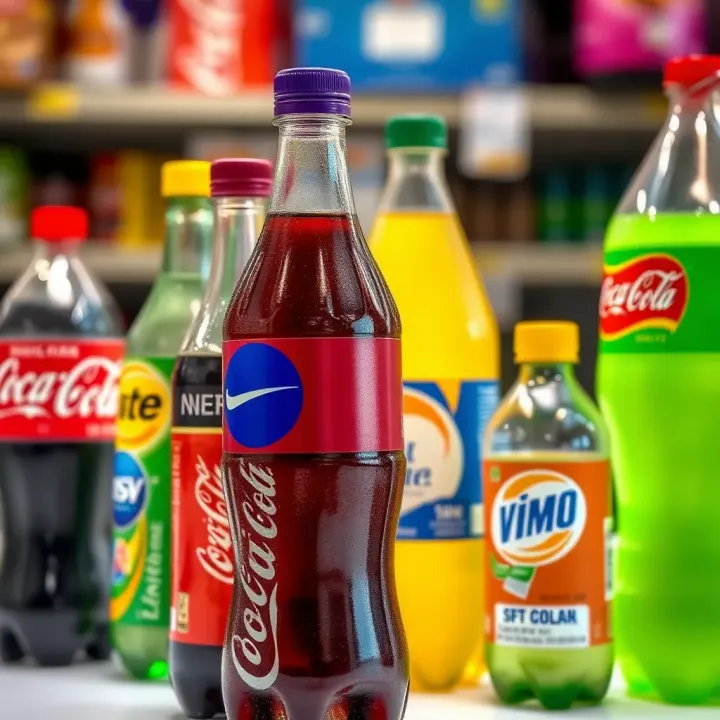
Global soft drink giants: PepsiCo remains Coca-Cola's direct rival in fizzy drinks, battling it out over brand loyalty and shelf space globally and within Indian metros.
Health and wellness brands: India's growing appetite for healthier options has boosted brands like Paper Boat (Hector Beverages) and Patanjali's beverage line, which appeal with natural ingredients and less sugar.
Regional players: Local beverage companies often command strong positions in tier-2 and tier-3 cities, capitalising on familiarity and regional tastes. This includes brands focused on traditional drinks like nimbu paani, lassi, and coconut water.
For traders and financial professionals, observing how Coca-Cola adapts to these pressures is vital. Its strategies—ranging from product diversification to targeted marketing—reflect attempts to maintain leadership despite evolving consumer choices.
The competition extends beyond just product lines. Distribution channels, pricing strategies, and digital presence increasingly influence market shares. For example, Coca-Cola’s push into e-commerce platforms and partnerships with Indian retail giants helps maintain reach even as online shopping for beverages grows.
By mapping these competitors and market forces, you gain clarity on how Coca-Cola positions itself against challengers. This insight aids in evaluating investment risks and opportunities in the beverage sector, particularly in India’s shifting consumer landscape.
Understanding Coca-Cola’s market standing is key when analysing its main competitors. The company’s position reflects not only its past success but also the challenges and opportunities shaping its future. For investors and traders alike, grasping this overview helps make sense of the competitive dynamics in the beverage industry.
Coca-Cola's global footprint spans over 200 countries, making it one of the most recognisable brands worldwide. This extensive reach provides the company with a significant advantage in distribution and consumer awareness. For instance, its presence in diverse markets such as the United States, China, and India allows it to tap into various consumer bases with different preferences.
The strength of the Coca-Cola brand itself drives customer loyalty and trust, which are critical in highly competitive markets. An example from India shows how Coca-Cola maintains prominence through aggressive marketing during festive seasons, alongside sponsorships in cricket and Bollywood events. Such activities embed the brand in the cultural fabric, generating consistent consumer engagement.
Coca-Cola’s product mix extends well beyond its flagship carbonated drinks. It has effectively diversified into categories like bottled water, energy drinks, and health-oriented beverages. Take the launch of products such as Minute Maid juices and vitamin-enhanced waters—these target health-conscious consumers who might otherwise move away from sugary sodas.
This diversification helps Coca-Cola mitigate risks linked to changing consumer tastes and regulatory pressures on sugary drinks. For example, faced with rising demand for natural beverages, Coca-Cola India introduced innovative products tailored to local palates and climatic conditions. The company’s ability to offer a broad range of products ensures it can compete across many segments and respond quickly to emerging trends.
For finance professionals, these aspects highlight Coca-Cola’s ability to sustain revenues through adaptation and scale, crucial when comparing investment opportunities across the beverage sector.
The company's mix of global strength combined with local strategies maintains its lead despite growing competition. Understanding these foundations is essential to assess how competitors might erode or challenge Coca-Cola’s market share in coming years.
This section sets the stage for deeper analysis of rivals by framing Coca-Cola’s current assets in brand equity and product breadth. It helps readers appreciate why the company remains a formidable player, even as challengers innovate and expand across beverage categories.
Understanding Coca-Cola’s main competitors in the carbonated soft drinks sector is vital for investors and analysts tracking market dynamics. This segment remains fiercely competitive, with several global players fighting for market share, influencing pricing, product innovation, and consumer loyalty worldwide.
Market share comparison
PepsiCo stands as Coca-Cola’s closest rival in the carbonated drinks arena. Globally, Coca-Cola holds around 43% market share in carbonated soft drinks, while PepsiCo accounts for approximately 28%. Although Coca-Cola leads, PepsiCo’s share is significant enough to influence market trends, requiring Coca-Cola to continually monitor and react to shifts induced by its competitor’s moves. For investors, this balance highlights steady but contested dominance in a sector resistant to drastic changes in consumption patterns.
Product range overlap
PepsiCo and Coca-Cola compete not just in cola beverages but also across several related categories such as flavoured sodas, diet drinks, and energy beverages. Both companies have overlapping products like Pepsi vs. Coca-Cola Classic, Mountain Dew vs. Sprite, and offerings in zero-sugar variants. This overlap means each product launch or marketing campaign by one giant often forces a direct response from the other, which impacts their advertising spends and supply chain decisions. For analysts, this overlap complicates forecasting as consumer preferences shift towards healthier or premium alternatives.
Key marketing strategies
Marketing remains a battlefield. PepsiCo’s strategy heavily focuses on youth engagement through digital platforms, sponsorship of major music festivals, and aggressive social media campaigns. Coca-Cola, similarly, invests in global events like FIFA World Cup and Olympics sponsorships while increasingly pushing personalised marketing and regional tastes in countries like India. Understanding these strategies offers investors clues about brand positioning and customer retention efforts, which directly affect revenue trajectories.
Local brands influencing markets
In several markets, especially outside Western economies, local carbonated brands challenge global giants by tailoring flavours and pricing to local preferences. These brands leverage cultural relevance and regional supply chains to build strong customer loyalty. For example, in India, brands like Thums Up (now under Coca-Cola but originally local) still compete with other regional names by emphasizing bolder flavours that suit Indian tastes.
Examples from Asia and Latin America
Asia and Latin America present diverse competitive landscapes. In Asia, Thailand’s 'est Cola' and Indonesia’s 'Amidis' offer locally preferred flavours and affordable pricing structures, making them tough competitors. Latin America sees strong players like Venezuela’s 'Pepsi-Cola Venezuela' and Brazil’s 'Guaraná Antarctica'—the latter competes fiercely with Coca-Cola's global brands by capitalising on local ingredients and patriotic brand loyalty. Tracking how these brands perform is critical for investors eyeing emerging markets where growth potential in the beverage sector remains high.
The presence of both global titans and nimble regional brands defines the carbonated soft drinks market’s evolving contours, offering varied opportunities and challenges for stakeholders to navigate.
This detailed look at Coca-Cola’s main competitors in carbonated soft drinks highlights where pressure points lie and how these players influence the sector globally and locally. Understanding these forces helps traders and analysts better anticipate market movement and investment risks.
The health and wellness segment is reshaping the beverage industry landscape and posing significant competition for Coca-Cola. Consumers, especially in urban India and global markets, show increasing preference for drinks that offer hydration with added health benefits, such as natural ingredients, low sugar, and functional properties. This shift challenges traditional carbonated drinks, pushing companies like Coca-Cola to diversify or innovate beyond fizzy beverages.
Changing consumer preferences have been dramatic in recent years. People are more aware of health issues linked to sugary drinks, leading many to opt for bottled or flavoured water. This category is valued for hydration without calories or artificial additives. Convenience also plays a role, with on-the-go consumers choosing bottled water for easy access. Experts note that this trend is especially strong among millennials and health-conscious urban dwellers who prioritise wellness without compromising lifestyle.
Brands like Bisleri and Aquafina dominate the bottled water sector in India, proving just how influential these products can be. Bisleri is a household name, trusted for quality and wide distribution, even reaching remote towns. Aquafina, by PepsiCo, competes aggressively with strong marketing and premium positioning. Both brands have expanded into flavoured and vitamin-infused waters, tapping into the demand for functional hydration. Their strong presence creates a formidable challenge for Coca-Cola, which must invest in similar or novel products to maintain market share.
Market trends in India and abroad reveal that the demand for natural juices and energy drinks is rising sharply. Consumers increasingly prefer beverages made from real fruit or with added nutrients like antioxidants and vitamins. In India, brands such as Paperboat have popularised traditional flavours with the advantage of natural ingredients and nostalgic appeal. Internationally, the market is seeing a surge in cold-pressed juices, herbal teas, and plant-based drinks. This segment appeals to those seeking health benefits alongside taste, widening competition beyond sodas.
Popular energy drink brands like Red Bull, Monster, and locally, Tata Starbucks' VERO2GO have made energy drinks mainstream. These drinks target young adults, fitness enthusiasts, and professionals needing quick energy boosts. Their aggressive marketing in sports and entertainment connects well with aspirational lifestyles. Coca-Cola, with its own energy brand, is pressed to keep pace amidst evolving consumer preferences. The potential health concerns associated with energy drinks, however, require careful product positioning and regulations, influencing how these brands grow.
The rise of health-conscious beverage options is reshaping competition, pushing Coca-Cola to innovate and diversify beyond its traditional soda portfolio.
Bottled water brands maintain strong market hold due to trust and convenience.
Natural juices gain traction through authenticity and nutrition.
Energy drinks appeal to lifestyle-driven consumers, raising brand awareness through sponsorship.
Coca-Cola’s ability to respond to these shifts will determine its edge in the fast-changing beverage market.
Coca-Cola stays ahead in the crowded beverage market with a mix of innovation, aggressive marketing, and efficient distribution. These strategies let the company keep its edge, especially against rivals like PepsiCo and local brands growing fast in India. Understanding these approaches provides valuable insight for investors and analysts tracking competitive shifts.
Coca-Cola spends heavily on product innovation to meet evolving consumer tastes. In India, for example, it launched masala-flavoured drinks and low-sugar variants to cater to health-conscious and regional preferences. The company’s recent entry into the ready-to-drink coffee segment shows how it leverages new trends quickly. Innovation not only refreshes the portfolio but also helps Coca-Cola capture emerging segments before competitors catch up.
Strong marketing campaigns and sponsorship tie-ups have been a cornerstone of Coca-Cola’s strategy. Associating with major cricket events like the Indian Premier League (IPL) creates massive brand visibility. Their campaigns often blend traditional media with digital marketing, targeting India's young populace through platforms like Instagram and YouTube. Such engagement boosts brand loyalty, helping Coca-Cola maintain mindshare even where competitors offer similar products.
Coca-Cola has a vast and sophisticated distribution network across urban centres and remote rural areas, giving it an unmatched reach in India. The company partners with local retailers, kirana stores, and fast-moving consumer goods (FMCG) distributors to ensure availability. Plus, they've embraced e-commerce and tie-ups with food delivery platforms such as Swiggy and Zomato, ensuring its products appear wherever consumers shop or order from. Expanding these channels is vital in beating emerging startups and small regional brands battling for shelf space.
The blend of ongoing product innovation, savvy marketing, and wide distribution allows Coca-Cola to respond agilely to market changes, securing its leadership even as consumer tastes shift.
Each of these approaches complements the others, making Coca-Cola’s strategy well-rounded and difficult for competitors to counter without significant investment. For investors watching the beverage sector, Coca-Cola’s ability to integrate these elements indicates a robust business model poised to navigate future market challenges effectively.
India's beverage market is witnessing significant shifts, mainly due to local companies and new players carving their niches. Coca-Cola faces growing pressure from these competitors who better understand regional preferences and price sensitivities. This segment is essential for investors and analysts aiming to grasp the nuances of competition shaping Coca-Cola's future growth in the Indian context.
Several domestic firms have gained strong footholds by catering specifically to Indian tastes. For example, Parle Agro, with brands like Frooti and Appy, continues to dominate the mango drink segment thanks to its flavour profile accepted across regions. Similarly, Chaayos focuses on tea-based beverages, leveraging India's traditional tea culture to create a distinct appeal. These brands thrive by localising products rather than mimicking international trends.
Consumer loyalty for these companies is often tied to pricing strategies and relatable branding. Parle Agro and companies like Paper Boat keep prices competitive and use nostalgic, culturally rooted marketing campaigns. These efforts resonate with tier-2 and tier-3 city consumers who are increasingly conscious of value alongside quality. This dual focus on affordability and cultural connection allows them to maintain a tight grip on large customer segments.
Startups are reshaping the market with innovative products aimed squarely at health-conscious Indian consumers. Brands such as Raw Pressery and Urban Platter offer cold-pressed juices and natural drinks, tapping into growing awareness about wellness and immunity post-pandemic. These products often use pure ingredients without added sugars or preservatives, attracting young professionals and fitness enthusiasts.
Distribution remains a critical factor in their growth, especially in reaching beyond metros. Many startups invest heavily in digital platforms and tie-ups with local distributors to penetrate tier-2 and tier-3 cities, where demand for healthy alternatives is rising but supply remains limited. This focused distribution strategy helps them compete with giants by reaching consumers who previously had fewer choices.
India’s beverage landscape now rewards agility and deep local insight. Understanding how these emerging competitors operate offers valuable lessons for traditional players and new investors alike.
Local brands win on cultural relevance and price.
Health startups grow via innovative, wellness-oriented offerings.
Distribution in smaller cities is crucial for market expansion.
These evolving dynamics suggest Coca-Cola will need to continually adapt to maintain its edge amid India's vibrant and fast-changing beverage scene.
Explore how Fiserv's main competitors in fintech rival in payments, banking software & merchant services, shaping India’s digital finance ecosystem 📊💸

☕ Explore how Starbucks faces strong competition from Indian and global coffee chains in a price-sensitive market driven by local tastes and diverse coffee lovers.

📉 Get expert insights on Euro to INR forecast for next 5 years — factors like economic trends, geopolitics & RBI policies shaping currency moves for investors, traders & travellers.

Explore Audacity Capital’s unique equity strategies, performance, and role in India’s investment sector 🌟 A detailed guide for investors seeking market insights.
Based on 11 reviews