
Demo Trading Online: A Complete Guide for Beginners
Learn how to practise market strategies risk-free with demo trading 🖥️. Explore key features, top Indian platforms, and tips to shift smoothly to live trading 📈.
Edited By
Amelia Scott
A free demo account is a practical tool that lets you trade in stocks, commodities, or currencies using virtual money. It replicates real market conditions without putting your capital at stake. For Indian traders, this means a safe space to experiment and learn trading strategies without the stress of losing actual money.
These accounts are offered by most brokers and trading platforms such as Zerodha, Upstox, and Angel One, all of which provide access to the National Stock Exchange (NSE) and Bombay Stock Exchange (BSE). By practising on a demo account, you can familiarise yourself with market orders, candlestick charts, and risk management before stepping into live markets.
Understand platform features and navigation without pressure
Test trading strategies to see what works best
Develop discipline by practising order execution and timing
Learn handling margin and leverage responsibly
Even experienced traders revisit demo accounts to test new tools or market scenarios without financial exposure.
Keep in mind, while demo accounts simulate market flow well, real trading emotions like fear and greed don’t arise fully. So, transitioning to live trading requires caution and gradual exposure to actual risks.
In the following sections, we will explore how to choose a demo account, best practices to gain maximum benefit, and how to transition smoothly to live trading in the Indian market context.
A free demo account in trading is a practice platform that replicates a real trading environment without risking actual money. For Indian traders, this is a key tool to understand market mechanics, learn platform navigation, and test strategies before committing real funds. Considering the volatility of markets like the NSE and BSE, a demo account provides a safe space to develop skills without the pressure of financial loss.
A demo account offers a virtual space where traders can execute buy and sell orders using virtual money. The prices, charts, and market movements simulate real-world trading conditions, often in real-time. For example, a trader can observe how specific stocks on the Sensex move during market hours and try out trades as if operating with live funds. This simulation helps bridge the gap between theoretical knowledge and practical experience.
For those new to trading, the demo account removes the fear of losing money while learning the ropes. Beginners can explore features like margin trading, leverage, and order placement without worrying about financial consequences. For instance, an aspirant trader in Delhi can use the demo environment to understand how to place a limit or stop-loss order effectively, which is crucial for risk management.
Even experienced traders benefit from demo accounts to test new trading strategies or indicators before deploying them live. Suppose a trader wants to try a moving average crossover strategy on Nifty futures; a demo account lets them observe the strategy's performance under varying market conditions without risking actual capital. This testing helps refine approaches and avoid costly mistakes.
Demo accounts usually provide access to live market data and quotes, capturing how prices fluctuate on exchanges like NSE or BSE. This is essential for realistic practice, as traders observe the same price movements they’d face in live markets. It ensures that the learning experience closely matches real trading scenarios.
Most demo platforms support basic order types such as market orders, limit orders, and stop-loss orders. Traders can place these orders and see how they would execute in real conditions, including partial fills or pending status. This exposure familiarises them with order execution intricacies, which is critical for managing real trades effectively.
Despite their usefulness, demo accounts have limitations. They don’t capture the emotional stress and pressure of risking real money, which can impact decision-making. Also, liquidity and slippage might behave differently in live markets. Additionally, some demo platforms delay quotes slightly or lack complex order types available in live accounts. Traders must recognise these boundaries and not expect the demo experience to fully mirror real-world trading complexities.
A demo account is an excellent educational tool but should be treated as preparatory. Transitioning to live trading requires adapting to the emotional and operational differences that a simulated environment can't replicate.
By understanding what a free demo account entails and how it functions, Indian traders can use this resource smartly to build confidence, test strategies, and prepare for live trading more effectively.
Free demo accounts offer significant advantages for Indian traders, particularly those stepping into the markets for the first time. These accounts give you a risk-free way to understand trading dynamics and develop your skills before committing real money.
Starting with a demo account builds your confidence because you can place trades without worrying about losing money. For instance, many new traders from tier-2 cities find demo trading useful to familiarise themselves with market behaviour before investing even a rupee. It helps you learn from mistakes in a live-like environment while shielding your capital. This is especially valuable during volatile periods, such as earnings seasons or RBI monetary policy announcements, where real money trading might feel too risky.
Each trading platform has unique features, from charting tools to order types and risk management options. A demo account lets you explore these without pressure. You can experiment with features like stop loss, limit orders, and trailing stops, which help manage risk effectively. For example, platforms like Zerodha Kite or Upstox provide demo accounts where you can understand UPI-based payments for settlements or check how margin trading works without actual fund involvement. Getting comfortable with the interface this way helps prevent costly errors when you switch to a live account.
Demo accounts allow you to trial different strategies, be it day trading, swing trading, or position trading, before real execution. Let’s say you want to test a moving average crossover strategy in the Nifty 50 futures market. You can apply it in a demo setup, tracking performance without any real financial exposure. This also includes practising options strategies like buying calls or puts, which may seem intimidating at first. Over time, you can fine-tune your approach based on simulated results. Without this step, practising new techniques on live accounts can quickly deplete your funds.
By taking advantage of demo accounts, Indian traders can bridge the gap between theory and practice, sharpening their skills and understanding in a safe environment.
These benefits collectively help traders transition more confidently to market realities, reducing unnecessary risks and increasing the chances of long-term success. Demo accounts serve as a rehearsal space where you sharpen your trading acumen before stepping into the market arena with real stakes.
Opening a free demo account is the first step for any aspiring trader in India looking to hone skills without risking real money. Demo accounts let you practise trading on real-time market data using virtual funds. But, knowing how to select the right broker and use the platform effectively can make a big difference in learning outcomes.
When choosing a broker for a demo account, look beyond just the free access. Consider the range of assets offered—equities, commodities, currencies, or derivatives—as per your interest. It's wise to pick a platform with an intuitive interface, reliable execution speed, and accurate market data to simulate real trading. For example, a trader interested in NSE stocks should ensure the broker covers that segment well, reflecting Indian market conditions accurately.
Also, check if the demo account offers features like multiple order types, real-time charts, and risk management tools. Platform reliability and customer support are crucial too, especially if you plan to transition quickly to live trading.
Some of the well-known brokers in India providing demo accounts include Zerodha Kite, Upstox Pro, and Angel One. Zerodha Kite's demo gives access to a simple interface with real market depth, ideal for beginners. Upstox's demo account offers a desktop and mobile version with a variety of charting tools, which helps active traders familiarize themselves. Angel One also provides virtual fund trading on multiple asset classes, making it a good choice for those wanting variety.
Choosing any one of these brokers can let traders practice efficiently before they open a real account.
Most brokers require just basic information such as name, email, and mobile number to open a demo account. Some might ask for PAN or Aadhaar details, especially if the platform integrates sell-side services or plans seamless upgrades to live accounts. This minimal documentation keeps the onboarding quick.
For instance, at Zerodha, you can sign up with just an email and mobile to get immediate access. This speed helps traders start practising without delays.
Once registered, you can either download the broker’s proprietary trading software or use a web-based platform. Web platforms like Upstox Pro allow users to start trading demo funds instantly via a browser without any installation. Mobile apps are widely supported too, making practise possible anytime, anywhere.
It's useful to explore both desktop and mobile versions if you plan to trade on the go, as familiarity with both can aid smooth transition to live trading.
After login, the demo account gets credited with virtual money—usually ₹1,00,000 to ₹10,00,000—which you can use to place buy or sell orders. This virtual balance allows you to test strategies like intraday scalp or swing trade without worrying about losses.
Make a habit of placing orders, monitoring your profit and loss, and using stop-loss tools in the demo environment. This experience builds muscle memory and helps understand market behaviour better.
Using a demo account gives you the freedom to make mistakes and learn without financial pressure. Choose wisely, set realistic goals, and treat it like real trading to get the best benefit.
Using a free demo account effectively requires more than just placing random trades. Setting clear goals, careful record-keeping, and avoiding common mistakes can make this practice as valuable as actual trading experience. For Indian traders, who often juggle learning with real-life commitments, maximising the use of a demo account helps build skills smarter and faster.
Start by defining what you want to achieve with your demo account. Instead of jumping into every possible market or instrument at once, focus on specific areas like mastering order types, understanding charting tools, or testing one trading strategy. For example, you might set a goal of learning how to use stop-loss orders within two weeks or paper trading only in NSE stocks for a month.
Clear, measurable goals keep your practice sessions purposeful and prevent aimless trading. They help track progress and identify when you’re ready to move on to more complex tasks or live trading.
Maintaining a detailed trade journal is a game-changer. Record your trade entries, exit points, reasons for trades, and outcomes. Taking the time to review this log regularly enables you to spot patterns, mistakes, and successes.
For instance, if you consistently lose money due to poor timing, this insight lets you focus on improving market timing strategies. You could use simple spreadsheets or mobile apps suited for traders. Over time, this habit keeps you accountable and sharpens decision-making.
A major temptation in demo trading is placing too many trades because there is no actual money at risk. This can create a false sense of confidence or unrealistic expectations about wins and losses. When trades don’t cost your capital, it’s easy to keep clicking 'buy' or 'sell' without meaningful analysis.
Too much activity may lead you away from the discipline required in live trading, where emotional and financial pressure changes how you act. To avoid this, mimic real trading limits: set a fixed number of trades or amount of virtual capital allocated per day to maintain focus.
Trading with a demo account doesn’t fully prepare you for the emotions involved in live trading. Fear, greed, and stress impact real-money trades in ways that virtual money cannot replicate. If you think you remain calm during losses in demo mode, it might not hold true when your own ₹10,000 or ₹50,000 is at stake.
Recognising this gap helps you develop strategies like mindfulness or sticking to preset risk levels in your live account. Swap your mindset gradually—from demo practice to serious investment—to prepare yourself mentally for real markets.
Treat your free demo account as a disciplined training ground, not a playground. Keeping realistic goals, reviewing your trades honestly, and being aware of emotional differences will make this risk-free practice genuinely useful.
Moving from a demo account to live trading marks a key milestone for any trader. It reflects readiness to engage with real markets, where money is at stake and emotions can run high. Understanding when and how to make this shift helps traders avoid costly mistakes and build a sustainable approach.
You should consider switching to a live account once your demo trades consistently show profitable results and you feel confident with the platform. For example, if you've practiced for at least a few weeks and have adapted your strategy to changing market conditions successfully, this is a good sign. Many traders also decide to start live trading after understanding their risk tolerance and following a disciplined plan during demo trading.
However, demo success doesn't guarantee live profits. Markets in a live environment can feel very different due to real emotions like fear and greed. Checking factors like your ability to stick to stop-loss levels, handling losses without panicking, and maintaining a trading journal regularly can be good indicators you’re ready.
Handling real capital requires a strong risk management strategy. Start by allocating only a small amount of money, usually 1-2% of your total investment fund per trade. This way, even a bad trade won't hurt your portfolio badly. Avoid overleveraging, a common trap especially with margin trading offered by many brokers in India.
Diversifying your trades and setting clear exit points for both profits and losses helps protect your capital. Remember, emotions can cloud judgment; having a pre-agreed plan limits impulsive decisions. A trader new to live markets might find volatile swings unnerving—hence risk control is critical.
Transition smoothly by treating your initial live trades as an extension of your demo practice, not a different game. Keep trade sizes small and gradually increase as you gain experience. It helps to continue maintaining records of wins and losses, reflecting on what works and what doesn’t.
Choose reliable brokers with transparent fees and robust customer support. Platforms like Zerodha, Upstox, and ICICI Direct offer intuitive interfaces suitable for beginners moving to live trading.
Above all, keep learning. Market conditions evolve, and so should your strategy. Joining online trading communities or following credible market analysts can provide valuable insights during this phase.
Transitioning to live trading requires patience and discipline. Treat it as a learning curve rather than aiming for instant gains to build a strong trading foundation.
This gradual, well-managed approach reduces shocks, helps build confidence, and improves your chances of long-term trading success.
Learn how to practise market strategies risk-free with demo trading 🖥️. Explore key features, top Indian platforms, and tips to shift smoothly to live trading 📈.
Learn how free demo trading helps Indian investors practise securities buying and selling risk-free 🛡️. Discover practical tips, avoid pitfalls, and boost your confidence before real trading.
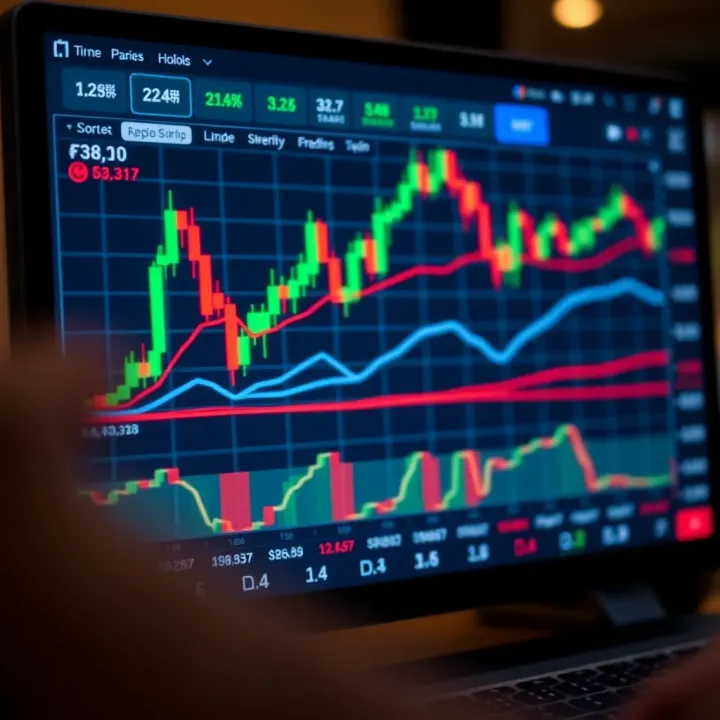
Start risk-free forex trading with a demo account 📈. Practice trading currencies, learn platform differences, and trade confidently in India 🇮🇳.
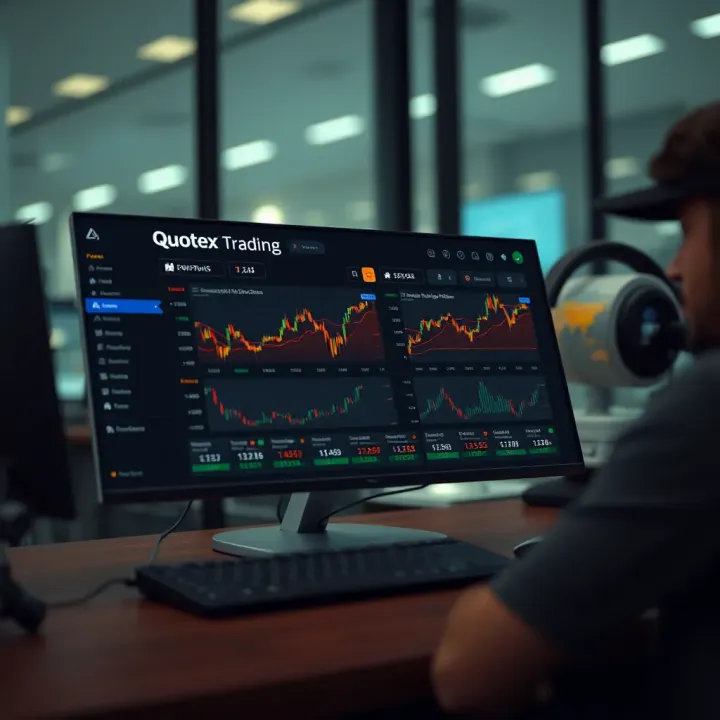
Explore Quotex in India 🇮🇳: Features, account setup, payment methods, legal tips, risks, and practical advice for smarter trading decisions.
Based on 12 reviews