
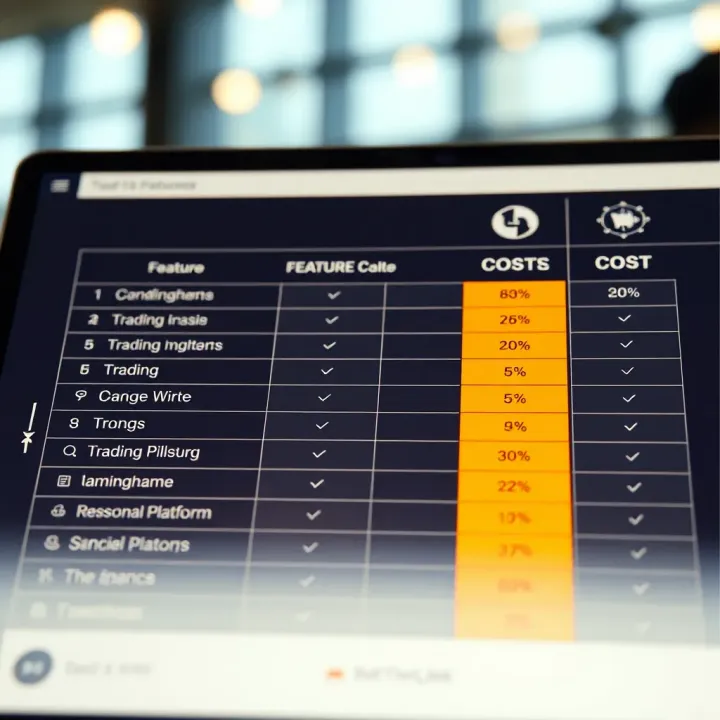
Top Trading Platforms for Indian Investors
Explore top trading platforms for Indian investors 📈. Compare features, costs, support & tools to pick the best fit for your investment goals and style.
Edited By
Edward Shaw
Free trading platforms have changed how many investors and traders in India access the stock market. By removing brokerage fees, these platforms bring down costs, making stock market participation easier for those who might hesitate due to extra charges.
Several apps and websites now offer zero-commission trading for equities, mutual funds, and derivatives. They attract users by combining simple interfaces with powerful tools for market research, real-time data, and instant order execution. For example, popular platforms like Zerodha Kite, Groww, and Upstox have expanded user bases significantly by offering these features free of direct trading fees.

Zero brokerage does not mean there are no costs at all. Charges for statutory levies and platform-specific fees often apply, so knowing the fine print is crucial before selecting a platform.
Understanding how free trading platforms function requires looking beyond the absence of brokerage. This includes examining the technology backbone, customer support, security measures, and the variety of investment options available. Mainly, these platforms rely on fintech innovation to integrate seamlessly with India’s financial ecosystem, including linking to UPI, PAN verification, and Aadhaar-based KYC.
Choosing the right free trading platform depends on your trading style, investment goals, and comfort with digital tools. Some platforms suit beginners with straightforward navigation and educational content, while others cater to active traders demanding advanced charting and order types.
This article will cover important features of free trading platforms in India, their benefits and limitations, regulatory aspects under SEBI guidelines, comparison with traditional brokerage services, and tips for selecting what fits your needs best.
With these insights, you can make an informed choice that balances cost-saving with effective portfolio management and security.
Free trading platforms have reshaped the way investors and traders access the stock market in India. These platforms mainly reduce the costs involved in trading by offering zero brokerage on equity delivery trades, making it easier for everyday investors to participate without worrying about heavy fees. This feature alone can save serious money for someone who buys shares to hold for the long term.
Zero brokerage on equity delivery trades allows investors to buy and hold stocks without paying brokerage fees. For instance, if you buy shares worth ₹1 lakh and decide to keep them for months or years, you won’t pay any commission on that purchase or sale on many free platforms like Zerodha or Groww. This works well especially for small and medium investors who want to maximise their returns without frequent trading costs eating into profits.
User-friendly mobile and web interfaces are a big draw for these platforms. Trading is no longer confined to desktops. Platforms like Upstox and Angel One offer sleek, easy-to-navigate apps where you can view your portfolio, place orders, and track the market at your fingertips. Even first-timers find it accessible, thanks to clean layouts and interactive elements, which simplify complex market actions like placing limit orders or checking intraday charts.
Real-time market data and research tools help traders make informed decisions. Free platforms typically provide live price updates, market news, and charts that refresh frequently. Tools like NSE India and Moneycontrol are often integrated, so users get timely information without needing expensive subscriptions. This timely data is critical when spotting entry and exit points, especially during volatile sessions.
Most free trading platforms cover stocks and equity shares, letting you invest in shares of companies listed on the Bombay Stock Exchange (BSE) and National Stock Exchange (NSE). You get access to a wide range of sectors—from IT giants like Infosys to FMCG leaders like Hindustan Unilever, thereby building a diversified portfolio.
They also provide access to exchange-traded funds (ETFs). ETFs bundle multiple stocks or bonds into a single instrument and trade like regular shares. Investing in ETFs allows you to spread out risk across several assets, useful for beginners or cautious investors who don’t want to pick individual stocks.
For those interested in advanced strategies, many platforms cover derivatives like futures and options. These contracts let traders speculate or hedge, such as betting on the Nifty future prices or writing option contracts to generate income. However, derivatives bring higher complexity and risk and need a good understanding before trading.
Finally, mutual funds and systematic investment plan (SIP) options are integrated into these platforms. You can start SIPs directly online with minimal paperwork, making long-term wealth building straightforward. Platforms like Groww and Zerodha provide a wide choice of mutual fund schemes that cater to equity, debt, or balanced categories.
Free trading platforms give you the flexibility to manage various financial instruments at zero or low cost, backed by modern tech interfaces and timely information — all essential for India’s growing base of self-directed investors.
Free trading platforms in India have gained traction for their affordability and ease of use, appealing to a wide range of investors. They cut down costs and simplify access, making stock market participation more attainable.
Zero brokerage on equity delivery trades significantly lowers the cost of investing. For example, if you trade stocks worth ₹1 lakh, typical brokerages might charge around ₹20 to ₹30, directly cutting into your profits. Free trading platforms do away with such charges, which over time can add up to substantial savings, especially for small investors or frequent traders.
This cost advantage encourages better capital retention, allowing returns to compound more efficiently. Even seasoned investors find value here, as lower transaction costs improve the margin of gains.
Many traditional brokers require you to maintain a minimum account balance, sometimes ₹10,000 or more, which might not suit new or small-scale investors. Free trading platforms typically waive such conditions, making it easier for beginners to start without locking in funds.
These platforms also tend to be transparent about their fee structures. You won’t encounter surprise charges for account maintenance, annual fees, or accessing basic features, which often trouble users of conventional brokers.
Free trading platforms make account opening quick and mostly paperless. Using Aadhaar-based e-KYC (electronic Know Your Customer) processes, you can set up an account within minutes from your mobile or desktop.
This simplicity lowers barriers for investors from tier-2 and tier-3 cities, who might find visiting physical branches cumbersome. For instance, platforms like Zerodha and Groww offer simple online onboarding that does not require extensive paperwork.
Mobile apps from free trading services ensure you can trade anytime, anywhere. These apps come with intuitive interfaces, real-time market updates, and instant notifications for order status.
For busy professionals or young investors, this is a game changer. You don’t need to tie yourself to a desktop; whether on a commute or in a café, managing investments is just a tap away.
Timely execution is critical in stock markets, especially for day traders or those dealing in volatile stocks. Free platforms typically offer swift trade execution with low latency.
Quick order placement helps avoid price slippage — where you end up buying or selling at a less favourable price. Platforms like Upstox highlight their fast execution speeds as a selling point.
Stock market can intimidate newcomers with complex fee structures and high capital requirements. Free platforms abolish many of these obstacles by allowing small investments without hefty upfront costs.
For instance, an investor can start with a few hundred rupees instead of several thousand, building confidence and experience gradually.
Most free trading platforms go beyond transactions by offering learning material and practice modes. Tools such as simulated trading or virtual portfolios enable you to understand market movements without risking real money.
This hands-on experience is invaluable for fledgling investors. It helps in grasping concepts like order types, market trends, and risk management before investing actual funds.
By reducing costs and simplifying access, free trading platforms open doors for many Indians to enter the investment world with lower risks and greater convenience.
When using free trading platforms, it's vital to weigh their limitations alongside the benefits. Many traders and investors in India are drawn to zero-brokerage models, but certain risks come with these services. Understanding these constraints helps you make smarter choices and avoid costly surprises.
Free trading platforms often lack in-depth advisory support. Unlike traditional brokers who assign dedicated relationship managers, these platforms generally offer generic investment advice or automated suggestions. This can be a barrier if you seek tailored portfolio strategies or expert guidance, especially during volatile markets. For example, an investor new to derivatives might find it tricky to navigate options trading without real-time expert help.
While these platforms advertise real-time data, occasional delays or technical issues do occur. High traffic during volatile phases might slow down order execution or cause brief outages. Such lags can affect timely decision-making, leading to missed opportunities or slippage in pricing. One instance could be during budget announcements when massive spikes in user activity can overload systems.
Many free platforms generate income by selling order flow to market makers or pushing value-added services. This might influence trade execution quality or encourage subscriptions to premium plans for advanced features. While not always detrimental, investors should be aware of potential conflicts of interest and added costs. For example, some platforms might prioritise order routing that benefits certain parties financially.
Indian free trading platforms must comply with data protection norms similar to those set by the Information Technology Act and SEBI guidelines. They employ encryption, secure authentication, and regular audits to protect users’ sensitive information. However, the varying maturity of platforms means data security can differ significantly. Always verify whether your chosen platform uses multi-factor authentication and stores data securely.
Phishing attacks and fraudulent apps are a growing concern in India’s digital investment space. Malicious actors often mimic popular trading apps or send deceptive messages to steal login credentials. Being cautious about app downloads, verifying official sources, and not sharing OTPs or passwords is crucial. Platforms continuously educate users on recognising scams, but individual vigilance remains key.
SEBI regulates all trading platforms operating in India, demanding transparency, fair practices, and investor safety. Free platforms must be SEBI-registered and comply with KYC (Know Your Customer) and Anti-Money Laundering (AML) policies. Despite regulation, the degree of investor protection can vary, especially for services beyond core brokerage like margin trading or complex derivatives. It’s essential to choose platforms that openly share their regulatory status and grievance redressal mechanisms.
Free trading platforms offer cost-effective ways to invest, but understanding their limitations and risks saves you from unanticipated troubles. Always assess advisory quality, platform stability, revenue interests, and security standards before committing your funds.
This balanced approach ensures your trading journey in India remains productive and secure.
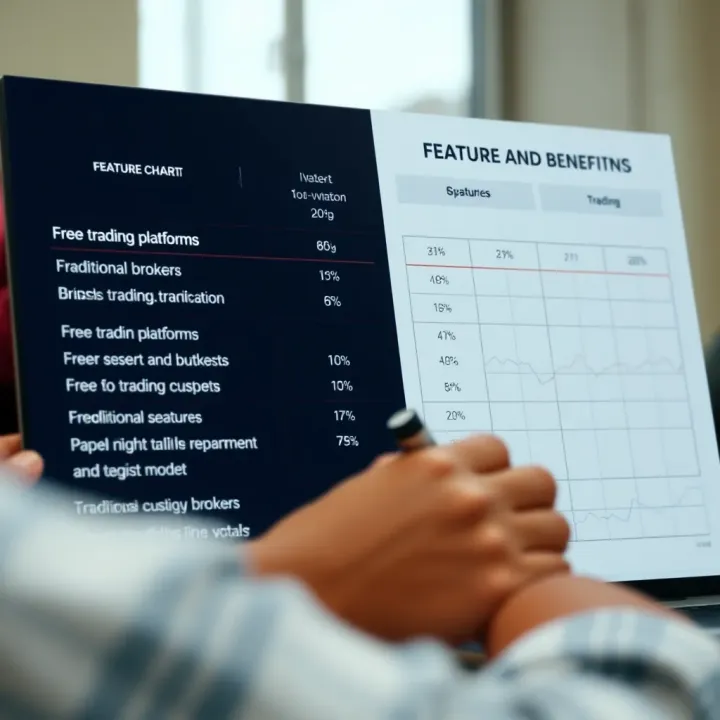
Comparing free trading platforms with traditional brokerages helps investors understand what each offers in terms of costs, services, and technology. This comparison is key for making informed choices tailored to your investment needs and trading style. While free platforms focus on lowering costs, traditional brokers often provide more personalised support and advanced tools — knowing these differences helps you pick what suits you best.
Brokerage fees and transaction costs: Traditional brokerages typically charge brokerage fees based on trade volume or value, which can eat into profits, especially for frequent traders. For instance, a broker might charge ₹20 per intraday equity trade, plus GST. Free trading platforms, like Zerodha or Upstox, usually eliminate brokerage fees on equity delivery trades and offer minimal fixed charges on intraday or F&O trades. This can substantially reduce the cost of investing, particularly for small investors or those who trade often.
Hidden fees versus transparent charges: Free platforms pride themselves on clear pricing, but some may earn through indirect means like payment for order flow or premium services. Traditional brokers might have additional hidden charges such as annual maintenance fees for demat accounts or mandatory minimum brokerage. For example, some older brokerages levy ₹300-₹500 annually for account maintenance. In contrast, many free platforms waive such charges or bundle them transparently, helping investors avoid unpleasant surprises.
Advisory and research assistance: Traditional brokerages generally offer better advisory services, including personalised guidance and detailed research reports. This can benefit investors who lack market knowledge or prefer professional input. Free trading platforms often provide basic research tools, educational content, and automated reports but may lack dedicated advisory support. For example, ICICI Direct offers in-depth calls and advisory, whereas platforms like Groww primarily focus on self-directed investing.
Customer service responsiveness: Response quality varies widely. Traditional brokers may offer dedicated helplines and branch visits, ideal for older investors or those preferring direct human interaction. However, customer service at popular free platforms has improved a lot; many provide prompt in-app chat support or phone assistance. Still, during peak market hours, response delays can happen. Choosing a platform with reliable support is critical when quick issue resolution matters.
Advanced charting and analysis: Professional traders often need sophisticated charting tools with various indicators and drawing options. Traditional brokerages frequently offer customised software suites with these capabilities. Free platforms have been catching up, though; for example, Upstox and Zerodha’s Kite provide advanced charting features comparable to traditional tools, making them attractive to tech-savvy investors.
Customisable dashboards and alerts: Ease of navigation and timely alerts help traders react quickly to market moves. Traditional brokers’ platforms may be feature-rich but sometimes complex. Free platforms focus on user-friendly, clean interfaces and allow customisation of dashboards and price alerts, catering well to beginners and active traders. This balance of simplicity and functionality is especially helpful for investors juggling trading with other commitments.
Choosing between free trading platforms and traditional brokerages depends on your priorities — cost savings, service needs, or tech features. Knowing these differences equips you to pick a platform that fits your approach and trading goals.
Picking the right free trading platform can make a real difference in your investing experience. It’s not just about zero brokerage; factors like trust, usability, and the variety of trading options all matter. With several platforms available in India, understanding what sets each apart helps you align your choice with personal goals and trading style.
Trust begins with legality. Always check if the platform is registered with the Securities and Exchange Board of India (SEBI). SEBI regulates brokerage firms and trading platforms to protect investors and maintain market integrity. Using a SEBI-approved platform ensures your investments are secure under Indian laws. For example, platforms like Zerodha and Upstox hold active SEBI registrations, which reassures users about their credibility.
A platform’s design directly impacts your trading efficiency. A clean, simple interface helps beginners avoid confusion while giving seasoned traders quick access to tools. Mobile apps should offer smooth navigation, logical menus, and clear visuals. Groww, for instance, is praised for its intuitive app, making equity investing attractive for first-timers. On the other hand, features like customisable dashboards in Upstox appeal to active traders.
Your platform should offer access to the instruments you want to trade or invest in. Besides stocks, check if it supports funds like mutual funds, ETFs, derivatives, or newer asset classes. Zerodha excels here with a wide variety including futures, options, and mutual funds, making it a one-stop shop. This diversity suits investors aiming to diversify portfolios without shifting platforms.
In markets where price changes happen in seconds, delays can cost money. A platform must process orders fast and reliably, handling high traffic during market swings. Upstox came under praise for executing orders swiftly during volatile sessions. Unstable platforms risk order failures or delays, affecting both trading results and confidence.
Zerodha is India's largest discount broker, known for low-cost equity delivery trading with robust features. Upstox offers similar brokerage benefits with an emphasis on tech-savvy traders, blending advanced tools and ease. Groww began as a mutual fund investment app but expanded to zero-brokerage stock trading, often attracting first-time investors who want simplicity.
Each platform boasts features tailored to different user needs. Zerodha’s Kite platform provides advanced charting and various order types. Upstox offers APIs for algorithmic trading enthusiasts. Groww integrates educational content alongside investments, helping beginners gain confidence. Users often highlight Zerodha’s reliable support and Upstox’s smooth mobile experience, while Groww stands out for its user-friendly setup.
If you are a long-term investor favouring simplicity, Groww’s clean interface and curated investment options work well. Active traders may lean towards Upstox or Zerodha for rich analytical tools and diverse products. Meanwhile, beginners appreciate platforms with educational resources and straightforward navigation to build their foundation safely.
Choosing a platform fits your profile helps avoid frustration and supports better financial decisions, making your investing journey more productive and enjoyable.
Selecting the right free trading platform involves checking its regulatory credentials, ease of use, the investment choices it offers, and how reliably it executes trades. Combined, these factors ensure you have a secure, efficient, and tailored experience suited to the Indian market's dynamic nature.
Understanding common doubts helps investors make informed choices. Frequently Asked Questions (FAQs) about free trading platforms clarify how these tools work and what to expect, especially in India's growing digital market.
Many wonder if "free" means no costs whatsoever. Mostly, these platforms waive brokerage fees on equity delivery trades, meaning you buy shares without paying commission. However, some charges may still apply, such as GST on transactions or nominal fees for specific services. For example, Zerodha offers zero brokerage on equity delivery but levies fees on intraday trades. So, while core trading can be free, investors should look closely at the fee structure.
Free trading platforms often earn through alternative routes. They may charge for margin funding, premium analytics, or advance order types. Some earn from payment for order flow, where they route orders to market makers and get a fee. Ads and sponsored content also contribute to revenue. For example, Groww offers free equity trading but monetizes through mutual fund commissions and value-added services. Understanding these helps investors grasp the trade-offs between free access and optional paid features.
Using a free platform does not exempt investors from tax obligations. Capital gains tax applies on profits from share sales, as per Income Tax rules. These platforms provide tax reports and downloadable documents for filing Income Tax Returns (ITR). Some integrate with services like Quicko or ClearTax for easier tax calculations. For instance, Upstox lets users export contract notes essential for accurate tax reporting. Paying attention to this ensures legal compliance despite zero brokerage fees.
Yes, free trading platforms are often ideal for new investors. They lower the barrier with simple interfaces and no upfront costs. Many offer educational resources, simulated trading, and customer support tailored to beginners. But new investors should still take care to understand risks and market basics. Tools like Upstox and Groww provide easy onboarding, which helps first-timers gain confidence. Still, beginners must complement the platform's help with their own learning.
Choosing a free trading platform needs awareness of not just zero fees, but how they operate and fit your investing style. Clear knowledge of FAQs is the first step to smart investing in India.
Explore top trading platforms for Indian investors 📈. Compare features, costs, support & tools to pick the best fit for your investment goals and style.

Discover essential features, benefits, and expert tips to select a secure, reliable real trading platform in India. 📊🔒 Make smart trading choices today!

Explore binary trading platforms in India 🇮🇳: learn their workings, legal framework, risks, and features to help you decide wisely in this volatile market.
Discover top free colour trading websites in India 🎨 Learn key features, explore popular platforms, and maximise benefits for your business or personal use today!
Based on 12 reviews