

Best Trading Websites for Indian Investors
📈 Find the best trading website for Indian investors by comparing fees, security, usability, research tools, and mobile access. Make smart, secure investments today!
Edited By
Edward Clarke
Bitcoin trading in India has gained massive attention in recent years, attracting traders, investors, and finance professionals alike. Selling Bitcoin might seem straightforward at first glance, but the process involves several practical steps and legal considerations unique to the Indian market.
Understanding how to sell Bitcoin safely and efficiently can save you time, reduce costs, and keep your transactions compliant with Indian laws. Unlike regular stocks or commodities, cryptocurrencies operate in a loosely regulated environment, which means you must be extra careful when choosing selling platforms and managing tax obligations.
You have multiple options for selling Bitcoin in India, including cryptocurrency exchanges like WazirX, CoinDCX, and ZebPay, peer-to-peer (P2P) platforms, or direct OTC (over-the-counter) trades with buyers. Each comes with its own set of features, fees, and convenience levels. For instance, P2P platforms offer greater privacy and control but might require more due diligence to avoid scams, while exchanges provide ease of use but usually charge higher transaction fees.
Always verify the credibility and regulatory compliance of any platform you choose. Check user reviews and confirm if it follows guidelines suggested by the Reserve Bank of India (RBI) and Securities and Exchange Board of India (SEBI).
Another crucial aspect to consider is tax. Since April 1, 2022, profits from cryptocurrency trading attract a flat tax rate of 30%, plus applicable cess and surcharge, under Indian tax laws. Losses from crypto transactions cannot be offset against other incomes. Thus, maintaining thorough records of transaction dates, amounts, and rates is essential for accurate filing of Income Tax Returns (ITR).
Security is equally important. Avoid selling Bitcoin on platforms lacking two-factor authentication and never share your private keys or mnemonic phrases. Keeping your funds in hardware wallets or reputable wallets before selling reduces risks of hacking.
In the following sections, we'll break down these points further, helping you choose the right platform, understand tax implications, and adopt best security practices while selling Bitcoin in India.
Knowing how to sell Bitcoin is essential for anyone holding this cryptocurrency in India. The high volatility of crypto markets means prices can swing widely within hours. So, understanding the selling process helps you time your transactions better and maximise returns. For instance, if you bought Bitcoin at ₹40 lakh and the price rises to ₹50 lakh, selling at the right moment could lock in a profit of ₹10 lakh. Without clarity on how to sell, you might lose out or face delays withdrawing your money.
Selling Bitcoin means exchanging your digital coins for another asset, usually fiat currency like Indian Rupees (INR). This process reduces your cryptocurrency holdings and converts them into cash or other accepted currencies. The primary purpose is to realise profits or recover funds for other uses. In practical terms, when you sell Bitcoin, you transfer ownership to another party, either directly or through a platform.
Peer-to-peer (P2P) selling connects buyers and sellers directly without intermediaries. In India, this method gained popularity during regulatory uncertainty when exchanges faced disruptions. Platforms like LocalBitcoins or WazirX P2P allow you to post sell offers and negotiate terms directly with buyers, often choosing payment modes like UPI, bank transfers, or even cash.
P2P transactions offer more control over pricing and settlement speed. For example, if you want quick payment, you can choose buyers who pay instantly via UPI. However, safety is crucial here, as there's no middleman guaranteeing the trade. So, verifying buyer credibility and using escrow features on P2P platforms become necessary to avoid fraud.
Selling Bitcoin through exchanges remains the most common and straightforward method for Indian users. These platforms act as trusted intermediaries, providing an organised marketplace where you can sell Bitcoin at live market rates. Popular exchanges like WazirX, CoinDCX, and ZebPay offer liquidity, allowing you to sell Bitcoin quickly and convert it to INR.
Using exchanges is practical because they handle security, regulatory compliance, and fund transfers to your bank account. For instance, after selling Bitcoin on an exchange, you can withdraw your INR within a day or two to your linked bank account, making it convenient for daily trading or larger transactions.
Bitcoin ATMs, although still scarce in India, offer a physical way to sell Bitcoin for cash. You scan your wallet QR code, enter the amount you want to sell, and receive cash instantly at the machine. However, these ATMs usually charge higher fees and have limits on transaction size.
Offline methods like selling Bitcoin through informal local networks or crypto brokers also exist but carry significant risks, including lack of transparency and potential scams. These methods might appeal to users in remote areas with limited Internet access or banking facilities, but extreme caution is needed.
Whether you choose P2P, exchanges, or offline options, understanding each route’s benefits and risks lets you make smarter, safer selling decisions tailored to your needs in the Indian crypto market.
Selecting the right platform to sell Bitcoin is fundamental for a smooth and secure transaction. The choice impacts speed, cost, and safety, which are critical for anyone dealing in cryptocurrencies in India. Knowing which exchange or platform suits your needs can save you from frustrating delays and unnecessary charges.
Security features play a big part in safeguarding your investment. Look for platforms that offer two-factor authentication (2FA), cold storage for digital assets, and regular security audits. These measures reduce the risk of hacking or theft, which has unfortunately affected some exchanges in the past. For example, a platform with multi-signature wallets helps prevent unauthorised withdrawals, giving you more peace of mind.

The user interface and experience also deserve close attention. An intuitive platform allows quick navigation, making it easier for you to place sell orders without confusion. If a platform takes too long to load or has a clunky app, you might miss the best selling opportunities. A good example is WazirX, which offers a clean interface both on mobile and desktop, ideal for beginners and experienced traders alike.
Fee structures influence how much you eventually earn from your sale. Exchanges usually charge trading fees, withdrawal fees, or sometimes both. Some platforms might offer zero trading fees but compensate with higher withdrawal fees, so it’s essential to read the fine print. For instance, CoinDCX charges a flat fee for withdrawals but offers competitive trading fees, which suits frequent traders.
Lastly, consider liquidity and trading volume. A platform with high liquidity means you can sell larger quantities of Bitcoin quickly without affecting the price too much. Low liquidity might result in delays and a lower price, especially during sudden market movements. ZebPay, for example, has decent liquidity in the Indian market, enabling fast transactions even at high volumes.
WazirX is one of India’s largest cryptocurrency exchanges, boasting a strong security record and a user-friendly interface. Its integration with Binance provides deep liquidity, ensuring that you can sell Bitcoin at competitive prices without much delay. For someone selling Bitcoin regularly, its swift transaction speeds and accessible mobile app are practical advantages.
CoinDCX offers broad cryptocurrency choices alongside Bitcoin. It stands out for transparent fees and user protection policies. Its educational tools help newcomers understand market trends, which is useful if you want to time your sales well. The platform also supports quick deposits and withdrawals to Indian bank accounts, streamlining monetary flow.
ZebPay was one of the first Indian exchanges and maintains loyal users due to its reliable service and responsive customer support. Its simple layout supports hassle-free Bitcoin selling for both newbies and savvy traders. ZebPay follows strict compliance with Indian regulations, which adds legal reassurance for sellers.
Choosing the right platform is a mix of security, convenience, cost, and market access. Understand these factors well, and you’ll find a way to sell Bitcoin that fits your style and requirements neatly.
Selling Bitcoin on exchanges is a straightforward yet precise process essential for anyone looking to convert their cryptocurrency holdings into Indian Rupees (₹). Exchanges provide a reliable platform where sellers can interact with buyers, ensuring transparency and regulatory compliance. This guide walks you through the key steps to sell Bitcoin safely and efficiently on popular Indian exchanges like WazirX, CoinDCX, and ZebPay.
Before selling Bitcoin, you need to create an account on the exchange of your choice. This involves submitting your email address and setting up a strong password. Verification is critical because Indian exchanges comply with Know Your Customer (KYC) norms mandated by regulators. You'll need to upload valid identity proof such as Aadhaar card, PAN card, and a recent photograph. Successfully completing KYC login ensures you can trade without disruptions and withdraw money directly to your bank account.
Once your account is ready, transfer the Bitcoin you want to sell from your private wallet to the exchange wallet. The exchange provides a unique wallet address for Bitcoin deposits. Make sure to copy it carefully to avoid mistakes. After initiating the transfer, wait for the network to confirm the transaction. Confirmation times may vary but typically take about 10–30 minutes. Only after the Bitcoin appears in your exchange wallet can you place sell orders.
When selling Bitcoin, you can choose between limit and market orders. A market order sells your Bitcoin immediately at the prevailing market price. This is quick and straightforward but may net you slightly less during volatile price swings. A limit order allows you to specify the minimum price you’re willing to accept. The sale executes only when the market price hits your set target. While this might earn you more, it carries the risk of the order not filling if the price doesn’t reach your limit.
After your Bitcoin sells, the exchange credits your account with Indian Rupees. Indian exchanges typically support Instant Payment Service (IMPS), National Electronic Funds Transfer (NEFT), and Real Time Gross Settlement (RTGS) for withdrawals. It’s crucial to link your verified bank account with the exchange for hassle-free transfers. Withdrawal processing times vary; IMPS transfers complete within minutes, while NEFT may take a few hours depending on banking hours. The money shows up directly in your bank, ready for use.
Selling Bitcoin on exchanges provides a secure and regulated way to convert cryptocurrency to cash, safeguarding your funds through KYC and wallet security procedures. Following each step carefully helps prevent delays and errors.
By understanding these steps and taking careful action, traders, investors, and finance professionals can navigate the selling process smoothly with confidence.
Selling Bitcoin in India involves more than just choosing a platform; understanding the legal and tax aspects is essential. Without this knowledge, you risk running afoul of regulations or missing out on tax compliance that could lead to penalties. This section outlines the current rules on cryptocurrency sales and the tax liabilities you should factor in when selling Bitcoin.
The regulatory framework for cryptocurrencies in India remains in flux but has grown clearer in recent years. While the Reserve Bank of India (RBI) does not recognise cryptocurrencies like Bitcoin as legal tender, it has not banned their trade either. Instead, the government focuses on regulating digital assets mainly to prevent money laundering and protect investors.
Cryptocurrency exchanges must comply with Know Your Customer (KYC) and Anti-Money Laundering (AML) norms set by Indian authorities. The government also keeps a close eye on transactions that may feed into black money or tax evasion. Selling Bitcoin through registered exchanges ensures better compliance and easier tracking for tax purposes.
Engaging with unregulated or offshore platforms can expose sellers to legal risks, including potential seizure of assets or non-recognition of transaction proofs.
Profits you earn from selling Bitcoin are subject to capital gains tax under Indian tax laws. If you hold Bitcoin for more than 36 months before selling, gains qualify as long-term capital gains (LTCG), taxed at 20% with indexation benefits. For holdings under 36 months, gains attract short-term capital gains (STCG) tax at your applicable income tax slab rate.
For instance, if you bought ₹5 lakh worth of Bitcoin and sold it after two years for ₹8 lakh, the ₹3 lakh gain is STCG and taxed according to your slab rate. Holding longer than three years might reduce tax liability due to indexation adjustments. Proper record-keeping of purchase and sale dates is crucial here.
GST applies primarily to services related to cryptocurrency exchange operations rather than Bitcoin sale profits. When you sell Bitcoin via an exchange, GST is levied on the platform’s commission or transaction fees, not on the Bitcoin sale amount itself.
This means the ₹500 fee charged by an exchange for processing your sale includes GST, which the platform forwards to the government. Sellers should be aware that GST does not reduce their capital gains but adds to transaction costs.
Income from selling Bitcoin must be reported while filing income tax returns (ITR). It's advisable to include all crypto transactions under the 'capital gains' section with appropriate documentation.
Ignoring these transactions can lead to penalties and questions from tax authorities. Some taxpayers prefer disclosing details during ITR filing to avoid scrutiny, especially as tax departments increasingly monitor crypto trades. Use the correct ITR form (usually ITR-2 or ITR-3) depending on whether you have income from other sources.
In short, keeping detailed records of every Bitcoin sale, purchase price, sale price, and date ensures you can comply with tax rules accurately and avoid unnecessary complications.
Understanding these legal and tax implications helps you sell Bitcoin confidently in India without surprises. Stay updated with announcements from the Ministry of Finance and the Income Tax Department for any changes in regulations or tax policies related to cryptocurrencies.
Selling Bitcoin safely requires careful attention to security, especially given the risks in the cryptocurrency space. This section focuses on key practices to protect your digital assets and avoid fraud while selling Bitcoin in India. Taking proper safety measures can save you from financial loss and legal troubles.
Your digital wallet holds the private keys essential to control your Bitcoin. If someone gains access to these keys, they control your funds. Therefore, keeping your wallet and keys secure is the foundation of safe Bitcoin selling. Use hardware wallets like Ledger or Trezor, which keep keys offline and away from hackers. Avoid storing private keys on mobile apps or desktop wallets without encryption, as these are vulnerable to malware. Always back up your wallet in multiple secure locations to prevent loss due to device damage or failure.
Also, use strong, unique passwords and enable two-factor authentication (2FA) for all exchange accounts. This reduces risk if your login credentials are compromised. For example, Google Authenticator or Authy apps provide safer 2FA than SMS, which can be intercepted. When transferring Bitcoin to an exchange for sale, double-check wallet addresses carefully to avoid transferring coins to the wrong destination.
Phishing remains a common scam targeting Bitcoin sellers. Fraudsters send fake emails or messages, pretending to be from popular exchanges or wallets, asking you to confirm login credentials or provide private keys. These emails often look very real, complete with official logos and urgent language. Clicking on the link can take you to a counterfeit website, capturing your login details. Once they have this data, scammers empty your account.
To guard against phishing, always type the URL of exchanges manually instead of clicking links. Confirm website security by checking the HTTPS padlock and domain name carefully. Avoid sharing any sensitive information over email or chat. If you receive suspicious communication, reach out to the official customer support before acting. Indian users especially should watch out during festive periods when phishing attempts spike.
Some fake platforms promise high returns or easy selling options to lure sellers. These might look legitimate but are designed to steal your Bitcoin or money. You may be asked to deposit funds first or pay fees upfront. After that, the site disappears, or withdrawal requests are denied.
Always use well-known and regulated exchanges like WazirX, CoinDCX, or ZebPay. Check reviews thoroughly and verify if the platform follows guidelines from the Securities and Exchange Board of India (SEBI) or the Reserve Bank of India (RBI). Be wary of unsolicited offers on social media or WhatsApp that claim to sell Bitcoin faster or with better prices; they often end in scams. Remember, if a deal sounds too good to be true, it probably is.
Keeping your Bitcoin secure is not just about technology but also about being vigilant and informed. Simple practices like safeguarding private keys and recognising scams can make a big difference.
By following these security and safety tips, you reduce your chances of falling victim to scams and ensure your Bitcoin selling experience is smooth and protected.
📈 Find the best trading website for Indian investors by comparing fees, security, usability, research tools, and mobile access. Make smart, secure investments today!
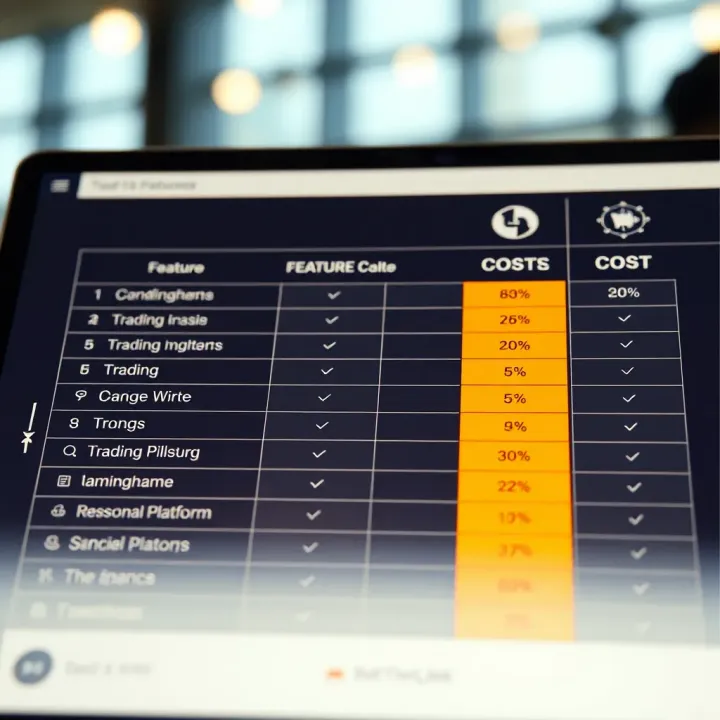
Explore top trading platforms for Indian investors 📈. Compare features, costs, support & tools to pick the best fit for your investment goals and style.

Explore the best trading apps in India 📱! Compare features, ease of use & investor suitability to pick the ideal app for your goals and safe investing tips.

📱 Discover the best tablets for trading in India! Explore top models with great connectivity, security, and portability tailored for stocks, forex & crypto traders.
Based on 5 reviews