
Understanding Demo Intraday Trading in India
Learn demo intraday trading 🕒 in India with practical tips on platforms, features, and skill-building strategies—trade confidently before risking real money 📈💡.
Edited By
Emily Clarke
Demo trading accounts offer a practical way for investors and traders in India to get hands-on experience with stock market trading without risking actual money. They simulate real trading scenarios using virtual funds, allowing you to execute buy and sell orders on popular stocks, commodities, or currencies listed on exchanges like NSE and BSE.
These accounts behave exactly like live ones in terms of market data, price movements, and trade execution speeds. The only difference is that you’re not using your own capital—virtual money takes its place. This setup helps sharpen strategies, learn order types, and familiarise yourself with trading platforms.

For example, if you want to try your hand at day trading Reliance Industries shares, a demo account lets you place orders as you would in a real environment and see how market fluctuations affect your positions. Mistakes here don't burn your pocket, which makes it an ideal learning ground.
Practising with demo accounts can build confidence and improve decision-making before you invest real money.
In India, most major brokers such as Zerodha, Upstox, and Angel Broking provide demo accounts free of cost. These platforms offer intuitive apps and web interfaces closely mirroring their live versions.
Key benefits include:
Risk-free learning: Explore trading without financial loss.
Platform familiarisation: Navigate different features and order types.
Strategy testing: Evaluate technical indicators, charts, and news impacts.
Remember though, market conditions can vary, and emotional responses may differ when real money is involved. Still, demo trading remains invaluable for new traders and analysts keen to understand India’s stock market intricacies.
Next sections delve deeper into selecting the right demo account and making the most of this essential trading tool.
Demo trading accounts have become a popular way for traders and investors in India to familiarise themselves with stock market operations without risking actual money. These accounts simulate the real trading environment, letting users practice buying and selling shares, commodities, or currencies using virtual funds. By getting hands-on experience, traders can build their skills and confidence before entering the live market.
A demo trading account is essentially a practice platform provided by brokerage firms that replicates real market conditions. It allows users to trade with virtual money, reflecting the actual prices, order types, and market movements. For example, if you open a demo account with Zerodha Kite or Upstox, you get ₹10 lakhs in virtual funds to trade equities, derivatives, or commodities just like you would in your live account. This helps beginners understand how market orders, limit orders, stop losses, and other trading tools work without any financial risk.
Demo accounts closely mirror live trading platforms, showing real-time price feeds and charts that update as the market moves. They let users place trades, monitor their portfolio, and even use technical analysis tools such as moving averages or RSI (Relative Strength Index). While the money isn’t real, the experience is quite authentic. Some platforms even simulate liquidity and order execution delays. For instance, if the NSE or BSE is volatile, the demo account reflects that, allowing traders to react similarly.
This realistic simulation helps traders test new strategies. Imagine trying a short-selling strategy in a volatile stock like Tata Motors; in demo mode, you can assess its potential without risking ₹50,000 or more.
While demo accounts provide a valuable learning ground, there are key differences from live trading. Firstly, the emotional aspect is missing—when trading virtual money, fear and greed do not influence decisions as they do with real capital. Secondly, demo platforms might not always capture the exact market depth or slippage experienced in live trading, especially during high volatility.
It’s worth noting that execution speed and order fills in demo accounts may differ from live environments, which can impact real trading outcomes.
Moreover, some brokers offer extended demo periods, while others limit usage or features. Demo accounts also cannot fully imitate market conditions like sudden news impacts or circuit breakers, making the transition to live trading an important milestone.
Understanding these nuances helps traders use demo accounts effectively—to gain experience, test ideas, and prepare psychologically—before committing real money in India’s dynamic stock market.

Using a demo trading account offers several clear benefits for Indian traders, especially those still finding their feet in the stock market. It’s a way to practise trading without putting your hard-earned money at risk, which can make all the difference in the early learning phase.
The most obvious advantage is that demo accounts let you trade with virtual money. This means you can experiment with buying and selling stocks, commodities, or currencies without any financial consequences. For example, someone trying out day trading on the NSE's Nifty 50 index can familiarise themselves with market movements without worrying about losing ₹10,000 or more. This zero-risk environment encourages more daring and thorough learning since you aren’t tied down by the fear of losing real money.
Demo accounts allow you to try different trading techniques and tools to find what suits your style. Suppose you want to test a momentum-based strategy or a technical indicator like the RSI (Relative Strength Index); the demo environment lets you check how these perform across varying market conditions. Plus, Indian brokers often provide demo versions of their live trading platforms—such as Zerodha’s Kite or Upstox Pro—that help you get comfortable navigating features like charts, order types, and stop-loss settings before committing real funds.
Confidence grows with experience, and demo trading bridges that gap. By repeatedly practising trades on fake capital, you get a feel for when to enter or exit positions based on price action or news events, which is particularly helpful during volatile periods like earnings season or RBI policy announcements. This hands-on practice improves your market reading skills, risk management, and timing, so that when you start live trading, you’re more prepared and less likely to make rash decisions.
Remember, demo trading doesn't replace the emotions tied to real money trading, but it does sharpen your technical skills and strengthens your grasp on market dynamics.
In sum, demo trading accounts in India serve as a practical stepping stone toward becoming a more skilled and confident trader. They provide a safe space to learn, experiment, and build your understanding of markets before taking on the risks of live trading.
Opening and using a demo trading account in India is the first step towards gaining hands-on experience in stock market trading without risking actual money. Demo accounts let you familiarise with trading platforms, practise placing orders, and test strategies. Importantly, they provide a safe environment to learn before moving to live trading.
Selecting a reliable broker with a user-friendly demo account is key. Look for brokers regulated by SEBI (Securities and Exchange Board of India) to ensure security and compliance. Popular brokers like Zerodha, Upstox, and 5paisa offer demo trading facilities. Check that the demo account covers the markets you want to trade — for example, NSE stocks, derivatives, or commodities.
Also, consider the platform's features such as real-time market data, charting tools, and ease of use. The more realistic the simulation, the better you can prepare for real-world conditions. Reviews and feedback from other traders can help identify brokers with superior demo services.
Typically, registering for a demo account involves a few straightforward steps:
Visit your broker’s website or download their trading app.
Locate the demo account registration section.
Fill in basic details like name, email, and phone number.
Some brokers ask for PAN card details even for demo accounts, to align with regulatory norms.
Receive login credentials to access the demo platform.
For example, Zerodha's Kite platform allows demo access after quick sign-up, letting you start practising within minutes. Registration is usually free, with no hidden charges.
Once set up, take time to explore the trading interface. Key areas include:
Market Watch: Monitor live stock prices and indices.
Order Placement: Practice placing different types of orders – market, limit, stop-loss.
Charting Tools: Use technical indicators like RSI or moving averages to analyse trends.
Portfolio Tracker: Review your virtual positions and overall profit/loss.
Spending time navigating these features builds familiarity and confidence. For instance, you might try placing a market order for Tata Steel shares and track its movement without risking money. Using the platform's help section or tutorials can speed up this process.
Demo trading platforms replicate live markets closely but remember, they operate with virtual funds. Use this to experiment with diverse strategies and grow your skills gradually.
By carefully choosing your broker, following a simple setup process, and actively engaging with the demo platform, you lay a solid foundation for real trading success in India’s dynamic stock market.
While demo trading accounts serve as excellent tools for learning and practising without financial risks, they come with limitations that every trader in India should understand. Real market conditions, emotional responses, and execution speeds—key elements in live trading—often differ significantly in demo environments. Recognising these differences can help prepare you better when you move to actual trading.
The most obvious difference between demo and live trading is the emotional impact. When using virtual money, a loss feels abstract, almost like a game. However, with real money at stake, anxiety and stress kick in, influencing decision-making. For example, while practising on a demo account, you might boldly hold risky positions, but in live markets, fear can push you to exit trades prematurely or hesitate. Traders often find that emotions like greed and panic are less predictable and much stronger when real capital is on the line. Hence, emotional discipline remains a skill best honed with actual trading exposure, alongside demo practice.
Demo accounts generally reflect current market prices, but they rarely capture the true slippage, liquidity issues, or sudden market shifts common in live trading. For example, during sharp volatility—such as around RBI policy announcements—the actual order fills in a live account might be slower or at a different price. Demo execution is usually instantaneous, giving an unrealistic sense of control and timing. Moreover, demo accounts may not account for brokerage charges, taxes like Securities Transaction Tax (STT), or other transaction costs that affect profitability. You must consider these practical factors, as overlooking them could mislead your risk and reward analysis.
Deciding when to shift from a demo to a live trading account depends on your comfort with trading strategies and emotional readiness. Generally, if you consistently profit and understand the platform tools in demo trading, it might be time to start small with real capital. Start with a modest amount, like ₹5,000 to ₹10,000, and treat this phase as learning under real conditions. Avoid jumping in with big sums immediately; live trading is a different ballgame. Monitor how emotions affect your choices and whether your strategies perform reliably considering execution delays and costs. Transitioning too soon or too late can both affect your trading growth negatively.
Remember, demo trading is a stepping stone, not a replacement for live experience. It helps form habits and knowledge, but success demands adapting to the complexities of real market dynamics.
By understanding these limitations and planning your shift wisely, you'll be in a better position to manage risks and build confidence gradually in the Indian stock market.
Choosing the right demo trading platform is essential for practising stock market trading effectively. In India, several brokers provide demo accounts tailored for traders to hone skills without risking real money. These platforms not only offer realistic market scenarios but also come with user-friendly interfaces and multiple features reflecting live trading conditions. Selecting a popular and trusted broker can make a significant difference in the learning experience and smooth transition to real trading.
Several well-known brokers in India provide demo accounts for equity, derivatives, and currency trading. Zerodha, for instance, offers a user-friendly demo through its Kite platform, enabling new traders to familiarise themselves with real-time data and order execution. Angel One and Upstox also provide robust demo accounts with access to multiple segments like equities and commodities.
ICICI Direct and HDFC Securities extend demo platforms integrated with their research tools, giving users a comprehensive trading experience. These brokers have gained popularity because they mirror live market conditions closely, ensuring users get accustomed to the pace and volatility of Indian stock exchanges such as the NSE and BSE.
When choosing a demo trading platform, certain features deserve careful comparison:
User Interface: The platform should be intuitive, allowing easy navigation between charts, order books, and watchlists.
Market Data Accuracy: Real-time or near-real-time data is vital for practising timing and execution.
Order Types Supported: Beyond basic buy and sell, options like limit orders, stop-loss, and bracket orders enhance strategy testing.
Instrument Availability: Check if the platform covers all asset classes you plan to trade, including stocks, futures, options, and currencies.
Mobile and Desktop Availability: Having both gives flexibility to practise trading on the go or from the desk.
For example, Upstox and Zerodha's Kite app score well on mobile usability, while ICICI Direct provides an excellent desktop experience with in-depth market reports.
Many brokers in India bundle their demo accounts with educational material to boost traders’ understanding. Zerodha’s Varsity offers detailed lessons on technical analysis, market mechanics, and risk management directly accessible alongside the trading platform. Angel One provides video tutorials and webinars that explain features like margin trading and market indicators.
Besides broker-provided content, some platforms incorporate simulated challenges and contests to make learning interactive. This helps traders apply theory practically while receiving feedback.
Practising with a demo account backed by solid educational resources prepares traders for the unpredictable nature of live markets and builds confidence gradually.
In summary, picking a demo platform from a reputed Indian broker with realistic features and strong learning support paves the way for a smoother start in share market trading. It helps you adapt to market rhythms and strategies before risking actual capital.
Learn demo intraday trading 🕒 in India with practical tips on platforms, features, and skill-building strategies—trade confidently before risking real money 📈💡.
📈 Learn how Fixed Time Trading works, its pros and cons, effective strategies, and India's regulations. A clear guide tailored for Indian investors.

📈 Explore demo trading in forex to practise strategies safely without losing real money. Learn its pros, cons and tips, ideal for Indian investors preparing for live trading.
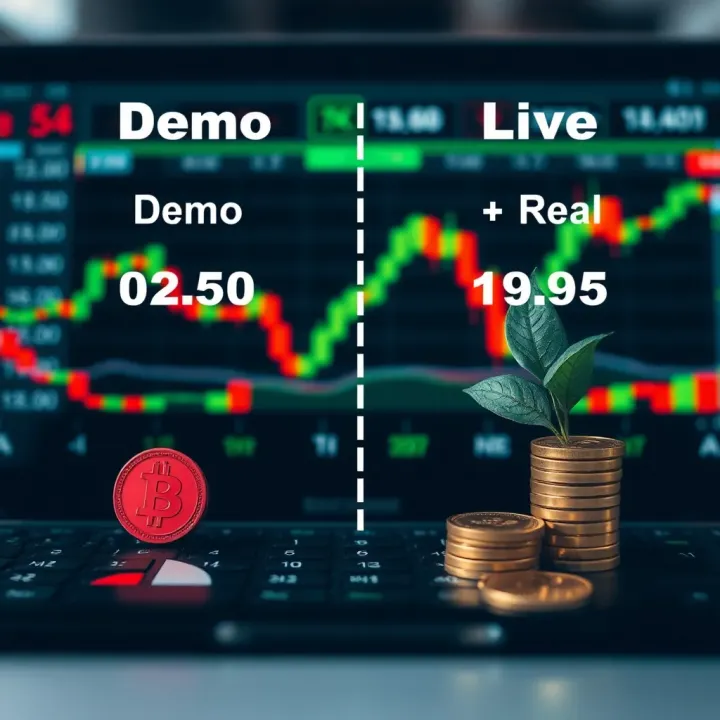
Learn how to practise market strategies risk-free with demo trading 🖥️. Explore key features, top Indian platforms, and tips to shift smoothly to live trading 📈.
Based on 13 reviews