
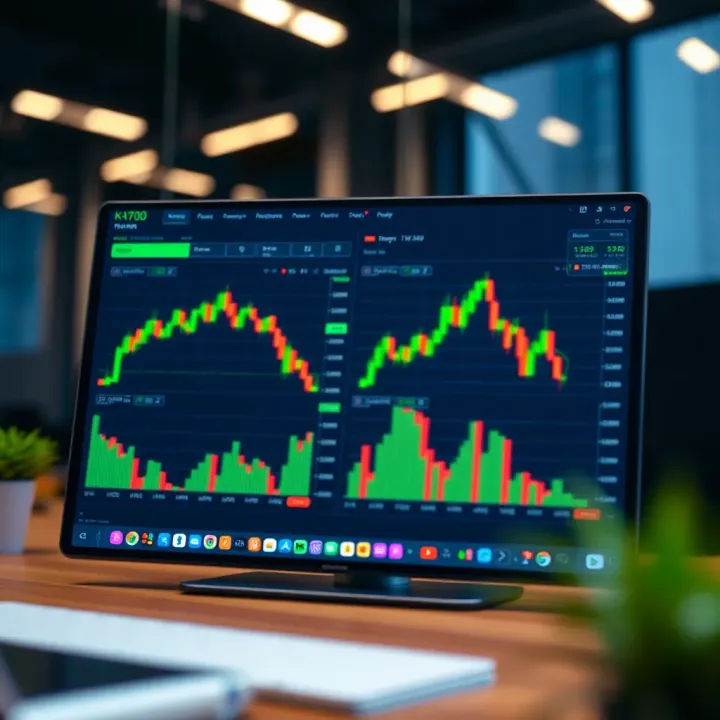
Free Demo Trading Guide for Indian Investors
Learn how free demo trading helps Indian investors practise securities buying and selling risk-free 🛡️. Discover practical tips, avoid pitfalls, and boost your confidence before real trading.
Edited By
Thomas Harding
Demo trading online allows investors to practise buying and selling financial instruments without risking real money. This practice uses virtual funds on simulated trading platforms that replicate actual market conditions. For Indian investors, especially those new to equity, commodity, or forex markets, demo trading provides a safe environment to learn how markets work and test trading strategies.
Many platforms from brokers like Zerodha, Upstox, and ICICI Direct offer demo accounts with live market data. This lets you experience the full trading process—placing orders, managing positions, and watching market movements—without financial pressure. You can experiment with different instruments such as shares listed on the BSE and NSE, commodities tracked on NCDEX, or currency pairs popular in forex trading.

Demo trading helps bridge the gap between theory and actual market action, enabling confident decision-making once you move to real trading.
Using demo accounts comes with several advantages:
Understand trading platforms' features and interfaces before committing real money.
Assess how your planned strategies perform under various market conditions.
Learn to handle emotions like fear and greed without risking capital.
Gain insights into order types such as market, limit, and stop-loss orders.
While demo trading is incredibly useful, Indian investors should keep in mind that real trading involves emotional and psychological factors not fully captured in simulations. Still, starting with a demo account reduces rookie mistakes and boosts familiarity.
To begin, pick a reputed broker offering demo facilities, register, and explore the virtual trading environment. Set realistic trading goals and closely track your trades. Use the experience to sharpen skills, manage risks, and build discipline, which ultimately improves your chance of success in live markets.
This guide will further discuss how to choose the right demo platform, effective tips to make demo trading productive, and common pitfalls to avoid.
Demo trading is a practice environment that lets you trade stocks, commodities, or forex using virtual money rather than real funds. Its main goal is to help beginners and even seasoned traders understand market dynamics without the risk of losing actual money. Think of it as a flight simulator for pilots, but for investors. You get to experiment with buying and selling, see how prices move, and test your strategies in real-time conditions without financial worry.
For Indian investors stepping into volatile markets like equities or commodities, demo trading serves as a safe playground. It’s especially useful for those who want to get comfortable with digital trading platforms, understand market orders, and learn how different factors influence price movements. By using a demo account, you avoid jumping straight into the deep end and making potentially costly mistakes.
Demo trading uses virtual cash that replicates the balance you might start with in a real account, often ₹5 lakh or more. When you place trades in the demo environment, the platform mimics live market prices and order book changes as they actually happen. This means if you buy shares of Reliance Industries on a demo platform, the stock price fluctuates based on real market action.
However, while prices, charts, and order execution appear realistic, certain elements like market slippage or emotional pressure don’t fully translate. In actual trading, delays, liquidity issues, or sudden price gaps might affect your orders, but demo platforms tend to smooth out those rough edges. Still, this simulation gives you a solid sense of timing, trade placement, and risk management.
Several brokers and trading platforms provide demo accounts tailored for Indian investors. Zerodha’s Kite and Upstox are popular for stock and derivatives trading, offering easy-to-navigate interfaces with paper trading options. For commodity and forex markets, platforms like Angel Broking and 5Paisa also have demo accounts where you can practise without committing capital.
Moreover, international platforms such as MetaTrader 4 and 5 (MT4/MT5), widely used for forex trading, offer demo accounts that Indians often use to explore global currency pairs with virtual funds. These platforms provide rich charting tools, indicators, and backtesting features that help sharpen your technical skills.
Starting demo trading lets you build confidence and skills before taking real financial risks. Picking the right platform and fully engaging with its features can prepare you well for genuine market trading.

By understanding what demo trading is and how it works, you lay the groundwork to trade smartly and cautiously, saving your money and building expertise step by step.
Demo trading offers a solid ground for Indian investors to understand the stock market without risking their hard-earned money. This approach is especially handy for beginners who want to grasp market mechanics before committing real funds.
With demo trading, you get a chance to experience how markets move and orders are placed using virtual money. This risk-free environment helps you familiarise yourself with concepts such as bidding, asking, and the impact of market fluctuations. For example, when trading on the National Stock Exchange (NSE) platform simulator, you can see how price movements react to economic news without the fear of losing capital. Such practice sharpens your understanding of market behaviour, all while keeping your real savings safe.
Demo trading allows you to test different trading approaches without any risk, which is vital before moving to real investments. Suppose you want to try intraday trading techniques or evaluate how a stop-loss order protects your position in volatile markets like commodities or forex. The virtual setup helps you observe those strategies in action and fine-tune them based on actual market data. This way, you develop confidence and avoid costly mistakes when you finally start dealing with live funds.
Every brokerage firm or trading platform comes with its unique interface and a set of trading tools. Through demo accounts provided by brokers such as Zerodha, Upstox, or 5Paisa, you can get hands-on experience with the dashboard, charting software, and order types without any pressure. For instance, navigating advanced features like bracket orders or trailing stops in a demo setting makes you comfortable using these tools for real trades down the line. Additionally, understanding platform nuances helps you avoid errors and execute trades more efficiently.
Practising on demo accounts is like learning to drive in a simulator before hitting the busy roads; you build familiarity and control without risking your safety.
In sum, demo trading equips Indian investors with practical knowledge, tested strategies, and platform skills needed to step into live markets more confidently and cautiously. Taking this preparatory step can save you from avoidable losses and build a stronger trading foundation.
Starting with a demo trading account is essential for any Indian trader looking to understand markets without risking real money. Setting up the account correctly ensures you get the most realistic experience, which helps build confidence before moving to live trading.
Choosing the right broker or platform is the first important step. Look for recognised platforms popular in India such as Zerodha, Upstox, or ICICI Direct, which offer free demo accounts alongside their live services. Consider factors like user interface, ease of access, the range of markets supported (stocks, commodities, forex), and customer support quality. For instance, Zerodha's Kite platform is intuitive and offers both live and virtual trading modes that suit beginners well.
After selecting the platform, the next step is to create your demo account. This usually involves signing up with basic details and verifying your email or mobile number. Activation is often instant, but a few platforms may require additional verification, like linking a PAN card. Once activated, you'll receive virtual login credentials to access your account. Make sure you follow all instructions carefully — some platforms might also offer demo account apps for easy mobile access.
Once inside your demo account, you typically receive a set amount of virtual funds, such as ₹10 lakh, to start practising trades. Understanding how to allocate this virtual money across different asset classes helps mimic real portfolio decisions. Most demo accounts let you select markets and instruments, allowing you to practise equity stocks, commodities like gold and crude oil, or currency pairs like USD/INR.
Getting hands-on experience by placing different types of orders (market, limit, stop-loss) in these markets will sharpen your skills. It’s also useful to adjust your virtual fund allocation based on your risk appetite and market interest. This initial setup phase lets you customise the demo account to resemble your real trading goals, which is vital for meaningful learning.
Setting up your demo trading account carefully is the foundation for effective practice. Skipping proper setup might leave you unprepared when you enter real trading.
In summary, setting your demo account involves three crucial steps: choosing the right broker known in the Indian market, completing the simple activation process, and tailoring your virtual funds and market choices to your trading interests. Paying attention to these details positions you well for a smooth transition to live investing.
Demo trading isn’t just about experimenting with virtual money; it’s a powerful way to build skills essential for successful investing. For Indian investors, who are often navigating equity, commodity, or forex markets for the first time, knowing how to use demo accounts effectively can make the transition to live trading smoother and less stressful.
One of the first skills to hone is placing orders correctly. Demo trading lets you get comfortable with different order types—market orders, limit orders, stop-loss orders, and more—without risking real money. For example, you can practise placing a buy limit order for an NSE-listed stock at a specific price and see how it holds until executed or expires. This hands-on experience is invaluable because many beginners struggle with the mechanics of order timing and price selection. Plus, the demo environment familiarises you with the platform interface, which can vary widely between brokers like Zerodha, Upstox, or Sharekhan.
Markets are never static. Prices fluctuate due to news, economic data, or even global events. Demo trading allows Indian investors to simulate various market scenarios—from bullish rallies during Diwali season to sharp corrections like those seen during economic uncertainties. By switching between different market conditions on platforms like NSE or MCX demos, you can learn how your strategies perform under stress or rapid price changes. You might try implementing a trailing stop-loss during a volatile market or see how holding a position overnight affects your margin in futures trading.
After practising trades, the next step is reflecting on outcomes. Most demo accounts provide detailed trade history and performance reports. Take time to review trades that went wrong—were stop-losses missed, or did emotions push you to hold losing positions too long? For instance, if you notice a tendency to close profitable trades too early in your demo trading records, that insight helps correct behaviour before risking real money. Regular review sessions turn a demo account into a personalised learning tool, sharpening your decision-making and risk management skills.
Using demo trading smartly isn’t just about executing trades; it’s about building a trading mindset and understanding strategy limitations before stepping into real markets.
By actively practising order placement, experimenting under different market conditions, and reviewing your performance critically, you develop a disciplined and informed approach to trading. This approach works especially well for Indian traders venturing into highly dynamic markets, helping them gain crucial experience while preserving capital.
Demo trading offers a safe environment to practise investing, but it’s not without its flaws. Understanding these can help Indian investors use demo accounts realistically and avoid missteps when moving on to live markets.
One major limitation is that demo trading does not trigger the same emotions as real trading. When real money is at stake, feelings like fear, greed, or anxiety influence decisions heavily. Demo accounts, funded with virtual money, remove that pressure. For instance, during a market dip, a trader using demo funds might remain calm, but in real trading, an investor could panic and exit prematurely. This difference means demo experience alone cannot fully prepare you for the psychological challenges of actual trading.
Demo trading platforms often simulate ideal market conditions, which rarely reflect real-life scenarios. In actual markets, liquidity—the ease of buying and selling assets—can fluctuate significantly. This can lead to slippage, where the execution price differs from the expected price. Demo accounts rarely show this clearly. For example, if you place a large order in a less liquid stock through a real platform, you might get a worse price than anticipated. Demo trading overlooks such slippages, giving an inaccurate picture of trade execution and resulting costs.
Using demo trading successfully might create overconfidence about skills and strategies. Traders sometimes take more risks with live money, forgetting that demo trades had no real financial consequence. This can lead to disappointment and losses when actual money is involved. Indian investors should remember that demo profits don't translate directly to real profits. A balanced approach involves progressing slowly from demo to small real trades, learning to manage both strategy and emotions effectively.
Demo trading is a valuable tool only when its limitations are kept in mind. It should complement, not replace, real market experience.
Being aware of these drawbacks equips investors to bridge the gap between practising and doing. This mindset helps in building sound trading habits, managing risk better, and ultimately improving chances of success in India’s dynamic markets.
Learn how free demo trading helps Indian investors practise securities buying and selling risk-free 🛡️. Discover practical tips, avoid pitfalls, and boost your confidence before real trading.

Learn how demo trading accounts let Indian investors practise stock market trades risk-free 💹. Discover their benefits, workings, and tips to build skills effectively in India's market.

📊 Explore how demo accounts help traders and investors practise without financial risk. Learn their pros, cons, popular platforms & tips to ease into live trading smoothly.
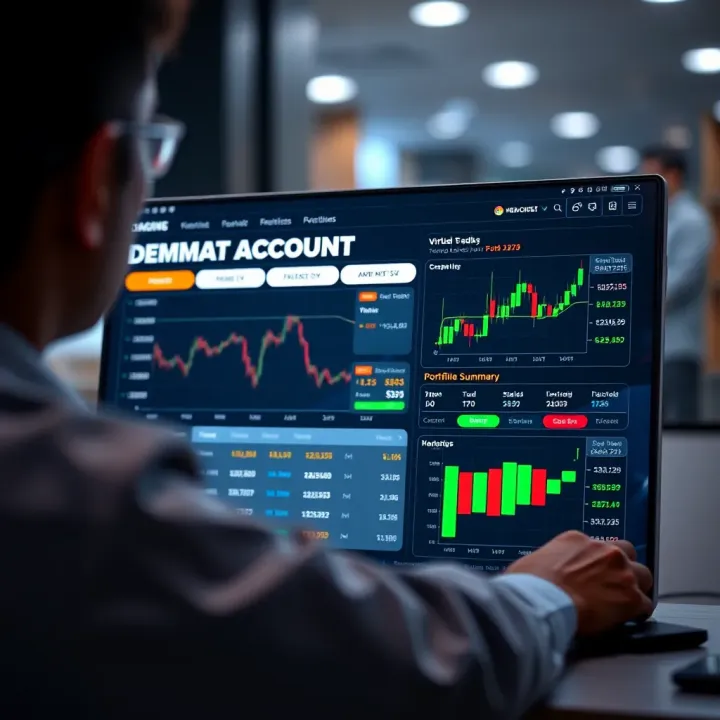
📈 Discover how a demo demat account helps Indian investors practise stock trading risk-free, compare with real accounts, and build confidence before investing ₹1 lakh or more.
Based on 6 reviews